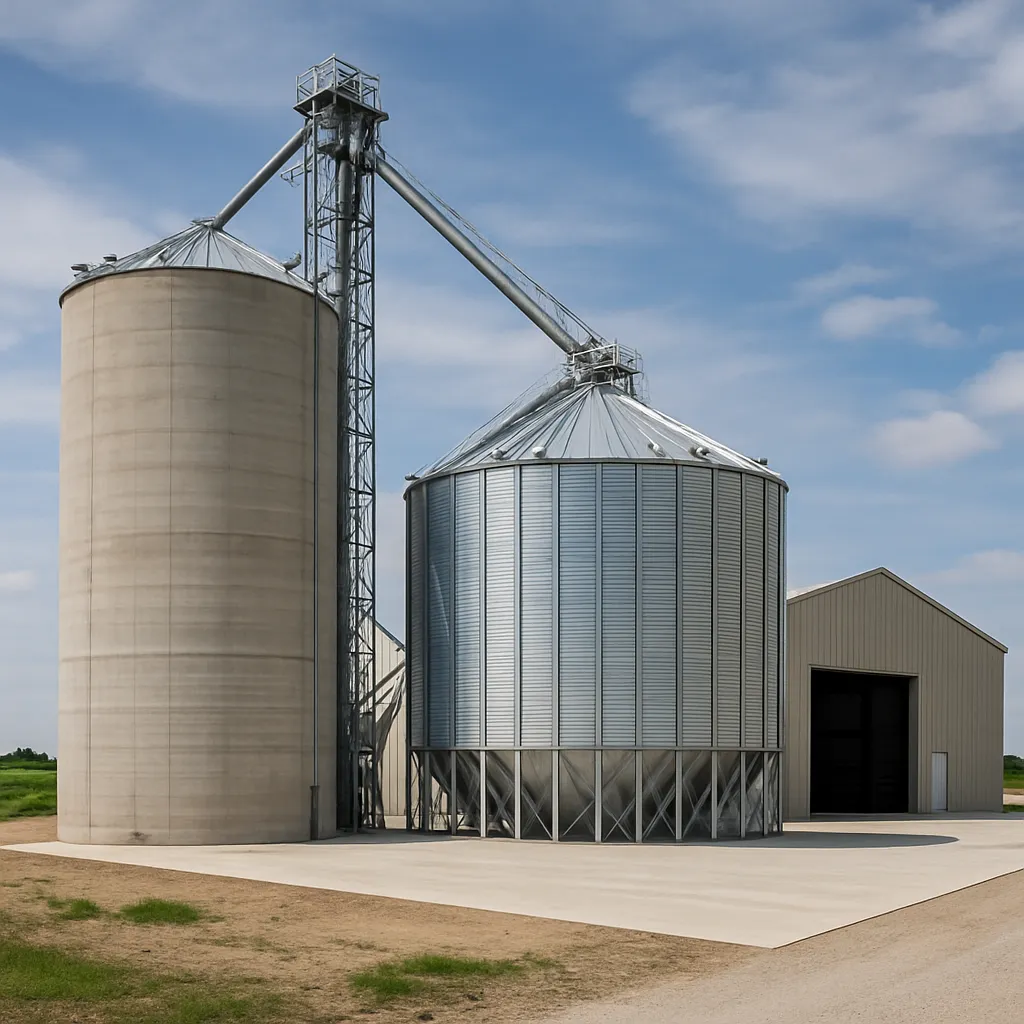
Designing a crop storage facility demands careful planning, informed decision-making, and an understanding of agronomic principles. This article outlines essential tips to create a space optimized for preserving quality, reducing losses, and boosting overall farm efficiency.
Site Evaluation and Capacity Planning
Choosing the right location is the first step to a successful facility. Soil conditions, accessibility, and local climate patterns all influence long-term performance.
Key factors to consider:
- Accessibility: Proximity to fields, processing areas, and transport routes minimizes handling time.
- Drainage: Well-drained soil or elevated ground prevents waterlogging and extends the building’s lifespan.
- Zoning and Regulations: Check local codes to ensure compliance with safety and environmental standards.
- Expansion Potential: Leave room for future capacity increases as production scales up.
Accurate forecasting of storage needs prevents overcrowding or underutilization. Estimate annual yields, turnover rate, and peak storage requirements. Incorporate a margin of at least 10–15% to account for unexpected production surges or market delays.
Climate Control and Ventilation
Maintaining the correct temperature and humidity levels is critical to inhibit mold growth, preserve seed viability, and reduce spoilage.
Natural vs. Mechanical Ventilation
- Natural Ventilation: Utilizes wind and gravity. Simple louvers, ridge vents, and sidewall openings can provide passive airflow if designed correctly.
- Mechanical Ventilation: Fans and ductwork offer precise control. Ideal for facilities in regions with extreme weather fluctuations.
Insulation Strategies
Well-insulated walls and roofs stabilize internal conditions by reducing heat gain or loss. Common materials include polyurethane foam panels, polystyrene boards, and reflective sheeting. Proper insulation also contributes to energy savings.
Monitoring and Control Systems
- Thermostats and Hygrometers: Place sensors at multiple heights and locations to capture variability.
- Automated Controls: Programmed systems can adjust fan speeds, heater output, or dehumidifiers based on real-time data.
Structural Design and Materials
A robust structure protects crops from external threats while allowing ease of operation.
- Foundation: A reinforced concrete slab prevents moisture infiltration and supports heavy loads.
- Frame: Steel frames offer durability and resistance to pests, whereas timber frames provide better thermal mass.
- Roofing: Corrugated metal sheets with a high solar reflectance index (SRI) can minimize heat buildup.
- Wall Panels: Sandwich panels with an insulating core deliver both strength and thermal performance.
Corrosion-resistant coatings and galvanized finishes extend the facility’s service life. For regions prone to seismic activity or high winds, design according to local structural codes to ensure safety and resilience.
Layout Optimization and Workflow
Efficient layout minimizes handling time, reduces labor costs, and prevents product damage.
- Receiving Zone: Located near the main entrance with direct access to unloading equipment and weighing stations.
- Sorting and Cleaning Areas: Dedicated space for sieving, drying, and grading before storage.
- Storage Bays: Modular bays or silos arranged in parallel to optimize space utilization and airflow.
- Dispatch Area: Positioned close to loading docks for seamless order fulfillment.
Implement clear aisleways and marked pathways for vehicles and personnel to avoid accidents and keep operations organized. Incorporate mezzanine levels or overhead conveyors if vertical expansion is needed.
Safety, Maintenance, and Pest Management
Regular upkeep and strict hygiene protocols protect stored crops from losses.
Cleaning and Inspection
- Pre-Storage Sanitation: Remove residues, apply approved disinfectants, and inspect for structural damage.
- Routine Checks: Monitor walls, floors, and equipment for cracks, leaks, or pests at least monthly.
Pest Control Measures
- Physical Barriers: Screen vents, seal cracks, and install double-door entry systems to block rodents and insects.
- Monitoring Systems: Use pheromone traps and regular scouting to detect early infestations.
- Chemical Treatments: Apply fumigants or contact insecticides sparingly, following all safety and environmental guidelines.
Fire Safety and Emergency Protocols
- Smoke Detectors and Alarms: Ensure early detection of spontaneous combustion, especially in oil-rich seeds and grains.
- Fire Extinguishers: Place ABC-type extinguishers in accessible locations.
- Evacuation Plan: Train staff on emergency exits, assembly points, and communication procedures.
Establish a maintenance schedule for equipment lubrication, filter replacements, and structural inspections. Document every task to support continuous improvement and regulatory compliance.