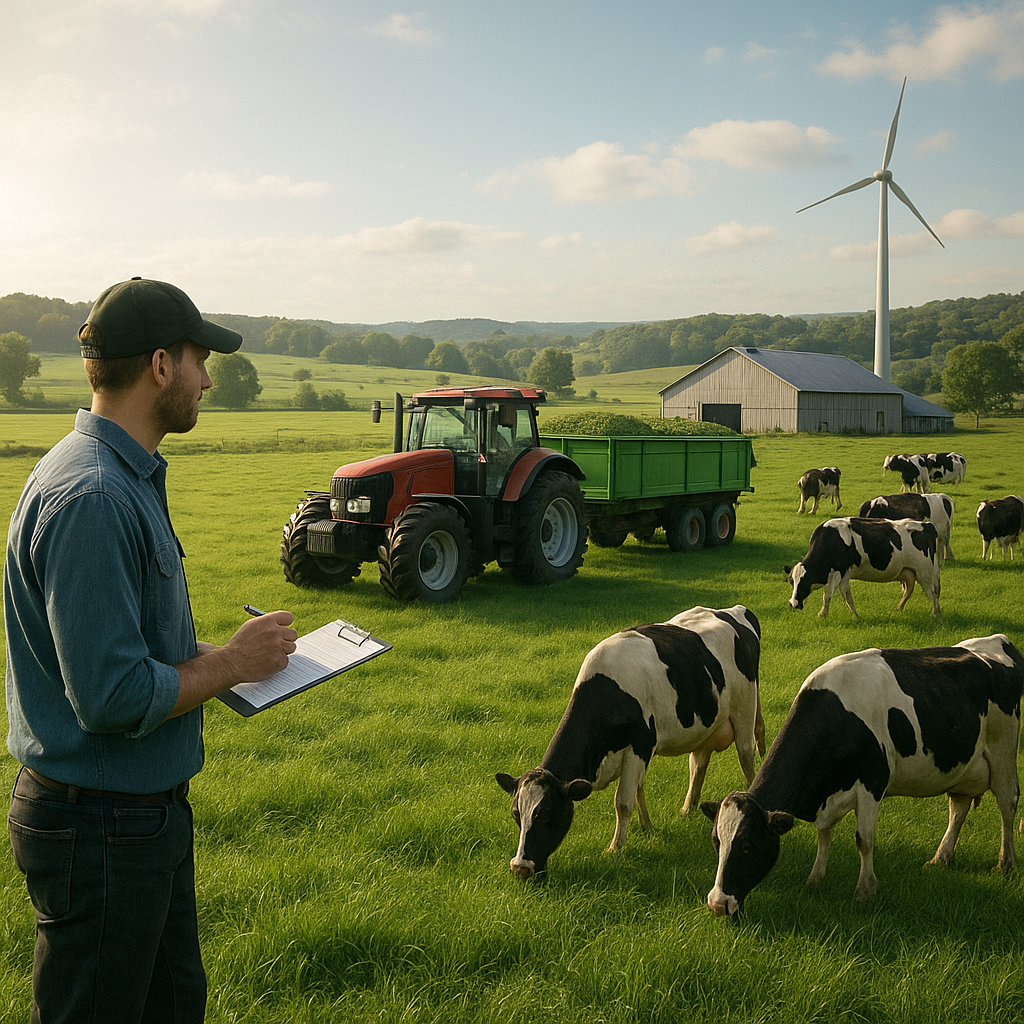
Increasing demands for food production come with the responsibility to cultivate in ways that curb climate change. By integrating innovative strategies and mindful stewardship, farmers can significantly lower greenhouse gas emissions while boosting productivity and resilience. This article explores practical approaches to foster sustainable agriculture, protect ecosystems, and secure long-term farm viability.
Efficient Nutrient Management
Optimizing nutrient inputs not only supports crop yields but also minimizes nitrous oxide release—a potent greenhouse gas. Careful planning and monitoring of fertilizer use can reduce losses to air and water.
Precision Agriculture Techniques
- Soil Testing: Regular analysis of soil nutrient levels guides application rates, preventing over-application.
- Variable-Rate Technology: Equipment calibrated to apply fertilizers only where needed cuts waste and lowers nitrous oxide output.
Organic Amendments
- Compost Addition: Incorporating compost enhances soil health and fosters microbial communities that cycle nutrients more efficiently.
- Cover Crops: Planting cover crops such as legumes captures residual nitrogen, reducing the need for synthetic fertilizers.
Livestock Emission Reduction
Livestock sectors are often associated with high levels of methane. Adopting targeted strategies in feed, housing, and manure handling can cut emissions dramatically.
Feed Optimization
- Diet Formulation: Balancing rations with high-quality forages and supplements improves digestion and lowers methane production per unit of milk or meat.
- Additives and Enzymes: Certain feed additives can inhibit methane-producing microbes in the rumen.
Manure Management
- Solid-Liquid Separation: Dividing manure streams allows for more efficient storage and treatment.
- Anaerobic Digestion: Converting manure to biogas generates clean energy and reduces manure management emissions.
Renewable Energy Adoption
Transitioning away from fossil fuels on the farm lowers carbon footprint and often leads to cost savings. Several technologies are now accessible to farmers.
- Solar Panels: Installing photovoltaic arrays on rooftops or fields powers equipment and irrigation.
- Wind Turbines: Small- to medium-scale turbines harness wind resources to generate electricity.
- Biogas Systems: Coupling anaerobic digesters with livestock operations produces renewable energy from waste streams.
Water Conservation and Irrigation Efficiency
Water use is tightly linked to energy consumption and indirect emissions. Improving water management not only conserves a precious resource but also curbs related greenhouse gases.
- Drip Irrigation: Targeted water delivery reduces evaporation and energy used for pumping.
- Sensor-Based Scheduling: Soil moisture sensors inform irrigation timing, ensuring water and energy are not wasted.
Soil and Ecosystem Conservation
Healthy soils and diverse habitats play a crucial role in atmospheric gas balance. Conservation practices protect natural capital and enhance on-farm resilience.
No-Till and Reduced Tillage
- Minimizing disturbance preserves soil structure, enhances carbon sequestration, and reduces fuel use from machinery.
- Crop Residue Retention: Leaving residues on the field protects against erosion and stores organic matter.
Agroforestry and Biodiversity Enhancement
- Hedgerows and Tree Lines: Incorporating trees into field margins provides habitat, captures carbon, and shields crops from wind.
- Polycultures: Growing multiple crop species together encourages beneficial insects and improves overall system performance.
Monitoring, Education, and Continuous Improvement
Reducing farm emissions is an ongoing process. Regular data collection, staff training, and participation in knowledge-sharing networks are vital.
- Carbon Footprint Tools: Online calculators and farm record systems help quantify emissions and identify hotspots.
- Workshops and Field Days: Engaging with extension services and peer groups spreads best practices.
- Adaptive Management: Testing new methods on small plots before scaling ensures economic viability and environmental benefit.
By embracing these integrated strategies—ranging from precision agriculture to renewable energy, from improved manure handling to ecosystem conservation—farmers can become key players in global efforts to mitigate climate change. Strengthening farm resilience and promoting sustainable productivity will safeguard food systems and natural resources for generations to come.