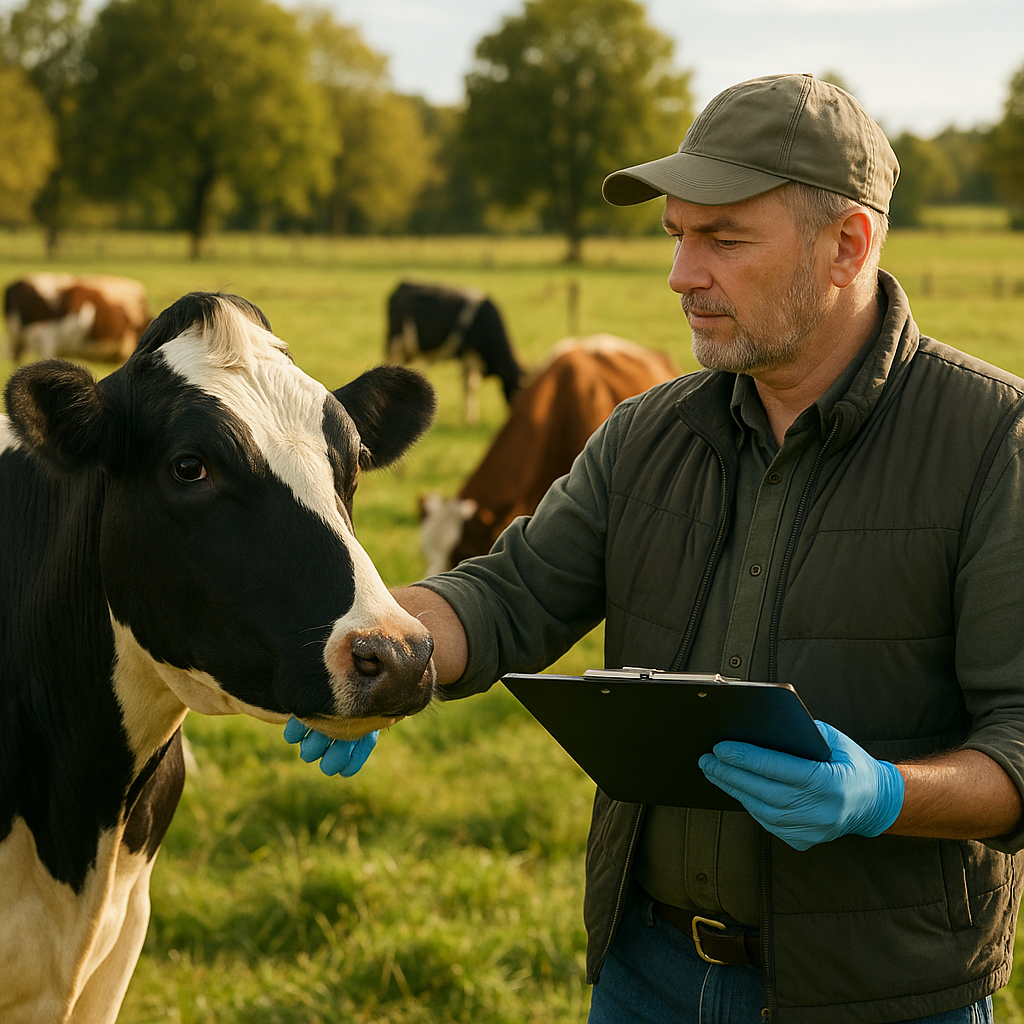
Effective livestock management hinges on implementing comprehensive strategies to maintain herd health and avoid costly outbreaks. Farmers must integrate strict biosecurity protocols, balanced nutrition, targeted vaccination schedules, and rigorous monitoring to protect animals from a range of infectious threats. By focusing on early detection, meticulous record keeping, and sound stress management, agricultural professionals can significantly reduce disease incidence and promote sustainable livestock production.
Disease Prevention through Biosecurity Measures
Controlled Farm Access
Limiting the entry of pathogens begins with controlling the movement of people, vehicles, and equipment on the farm. Establish a quarantine zone for incoming livestock, visitors, and suppliers. Signage and physical barriers help ensure only authorized personnel enter sensitive areas. Implement these steps:
- Designate a single entry point with a disinfectant footbath and wheel wash station.
- Require visitors to wear dedicated farm clothing and disposable boots.
- Maintain a logbook for all entries and exits to facilitate rapid contact tracing.
Sanitation and Disinfection
Maintaining hygiene is vital to interrupt the transmission cycle of pathogens. A structured cleaning regime should include:
- Daily removal of manure, soiled bedding, and feed residues.
- Routine disinfection of feeders, waterers, and handling equipment using EPA-approved agents.
- Periodic deep cleaning of barns, pens, and vehicles to eliminate hidden microbial reservoirs.
Wildlife and Pest Control
Rodents, birds, and insects can act as mechanical vectors for disease. An integrated pest management plan is essential:
- Seal structural gaps to prevent rodent entry.
- Use traps and baits strategically to reduce rodent populations.
- Install screens and netting to deter wild birds from roosting in barns.
- Monitor fly counts and apply insecticides or biological controls as needed.
Nutrition and Herd Health Management
Balanced Diet Formulation
Proper nutrition strengthens the immune system, enabling animals to resist infection. Work with a qualified nutritionist to develop rations that provide:
- Optimal levels of protein, energy, vitamins, and minerals tailored to species, age, and production stage.
- Quality forages free of mycotoxins and contaminants.
- Feed additives such as probiotics and prebiotics to support gut health.
Water Quality and Accessibility
Clean, unpolluted water is as crucial as feed. Contaminated water sources can harbor bacterial, viral, and parasitic agents. Best practices include:
- Regular testing for pH, microbial load, and mineral content.
- Routine cleaning and sanitization of water troughs and pipes.
- Ensuring consistent water flow and preventing stagnation.
Stress Reduction Strategies
Animals under stress exhibit suppressed immune responses, making them more susceptible to disease. Implement measures such as:
- Providing adequate space and comfortable bedding to reduce crowding.
- Minimizing handling and transportation stress through gentle low-stress handling techniques.
- Maintaining stable social groups to avoid hierarchy disruptions.
Vaccination and Medical Protocols
Routine Immunizations
A well-planned vaccination program is the cornerstone of disease prevention. Key considerations:
- Select vaccines based on regional disease prevalence and veterinarian recommendations.
- Follow manufacturer guidelines regarding timing, dosage, and storage conditions (cold chain management).
- Maintain a vaccination calendar and ensure all animals receive boosters on schedule.
Parasite Control
Internal and external parasites impair growth and immune function. A strategic deworming and ectoparasite control plan involves:
- Performing fecal egg count monitoring to guide deworming intervals.
- Rotating anthelmintic classes to prevent resistance.
- Applying topical or injectable insecticides for lice, ticks, and mites as needed.
Emergency Treatment Protocols
Despite preventive efforts, outbreaks can occur. Establish clear monitoring and treatment plans:
- Define clinical signs that trigger immediate veterinarian intervention.
- Maintain an accessible stock of essential antibiotics, anti-inflammatories, and supportive therapies.
- Train staff to administer treatments safely and observe withdrawal periods for food-producing animals.
Monitoring, Early Detection, and Record Keeping
Regular Health Inspections
Frequent observation allows for early detection of subtle health changes. Incorporate daily walk-throughs to check for:
- Alterations in behavior, appetite, or posture.
- Respiratory distress, coughing, or nasal discharge.
- Signs of lameness, swelling, or wounds.
Data Management and Traceability
Detailed record keeping supports decision-making and helps trace the source of potential outbreaks. Records should include:
- Individual animal IDs, birth dates, and lineage information.
- Vaccination, deworming, and treatment histories.
- Feed batch numbers and water quality test results.
- Mortality and morbidity logs specifying date, clinical signs, and post-mortem findings.
Performance Monitoring
Track production metrics to gauge herd wellbeing and efficiency:
- Weight gains, milk yield, and reproductive performance.
- Feed conversion ratios and growth rates.
- Correlate performance dips with potential health issues for proactive intervention.