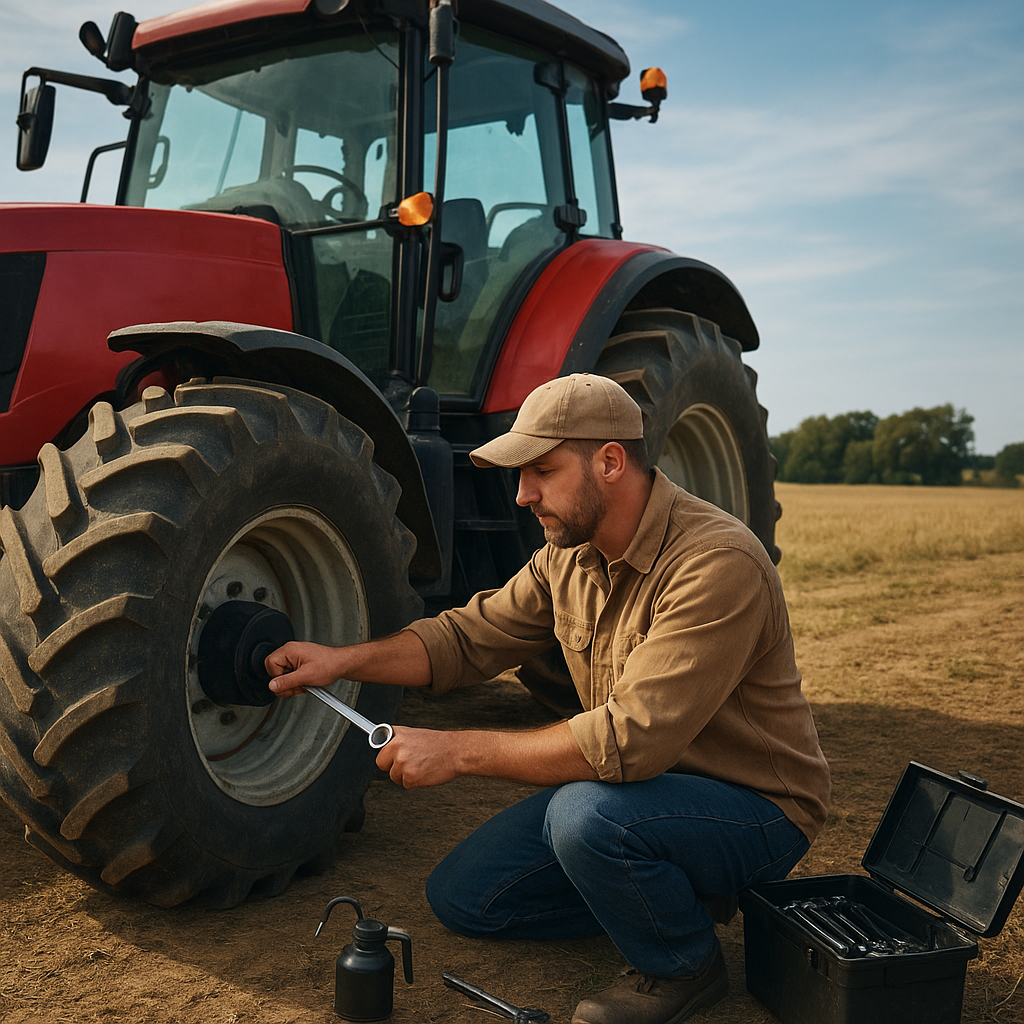
Maintaining your agricultural machinery in peak condition is essential for maximizing productivity and avoiding costly downtime. By implementing a consistent care routine and applying proven tips, farmers can extend the life of their equipment and ensure reliable operation through every planting and harvest season.
Regular Inspection and Cleaning
Routine inspection is the cornerstone of effective farm equipment care. Daily and weekly checks help catch minor issues before they escalate into major breakdowns. A thorough cleaning process also prevents the accumulation of debris, rust, and corrosive residues.
- Daily Visual Walkaround: Check for loose bolts, damaged hoses, and fluid leaks.
- Weekly Component Inspection: Examine belts, chains, and filters for wear.
- Monthly Deep Clean: Pressure-wash caked mud, crop residue, and chemical buildup.
Proper cleaning not only improves efficiency but also reduces the risk of damage to critical parts. Cleaning kits and compressed air tools are cost-effective investments for any farm shop.
Proper Lubrication and Fluid Management
Choosing the Right Grease and Oils
Appropriate lubrication minimizes friction, preventing overheating and premature wear. Selecting the correct grade of grease or oil is vital for performance under varying load and temperature conditions.
- Gearbox Oils: Use high-viscosity oils rated for heavy-duty gears and bearings.
- Hydraulic Fluids: Opt for anti-foaming, anti-wear hydraulic oils to maintain efficiency.
- Multipurpose Greases: Apply lithium-based greases where moisture resistance is needed.
Monitoring Fluid Levels
Regularly check hydraulic, engine, and transmission fluids. Implementing a fluid-check schedule ensures that lubricants remain at optimal levels and within spec ranges. Contaminated or low fluids can lead to system failures and costly repairs.
- Weekly-Level Check: Engine oil, coolant, and brake fluid.
- Monthly Sampling: Send fluid samples to a lab for diagnostics to detect contamination or metal particles.
- Quarterly Replacement: Change hydraulic and transmission fluids to preserve longevity.
Preventive Maintenance and Scheduling
Adopting a structured preventive maintenance program can significantly reduce unexpected breakdowns. By sticking to a documented schedule and leveraging maintenance logs, operators gain insights into recurring issues and equipment health trends.
- Maintenance Logbooks: Record dates, services performed, and replaced parts.
- Manufacturer Guidelines: Follow OEM-recommended service intervals for each machine.
- Predictive Maintenance: Use sensor data and telematics to anticipate failures before they occur.
Investing in software systems for maintenance tracking provides real-time alerts and helps farm managers allocate resources efficiently.
Storage and Seasonal Care
Proper off-season storage plays a pivotal role in preserving farm equipment. Moisture control, pest prevention, and protective coatings can shield machinery from environmental damage.
- Dry, Covered Storage: Park machinery in well-ventilated sheds to avoid rust.
- Corrosion Inhibitors: Apply protective sprays on metal surfaces.
- Fuel Stabilizers: Treat tanks with stabilizer to prevent varnish buildup.
Before long-term storage, perform a full lubrication cycle, drain moisture-prone systems, and cover sensitive components with breathable tarps.
Training Operators and Safety Protocols
Well-trained operators are key to maintaining safety and durability. Educating staff on proper machine startup, shutdown, and emergency procedures reduces the risk of operator-induced damage.
- Operator Workshops: Hands-on training sessions covering routine checks and best practices.
- Safety Checklists: Standardize pre-operation inspections to ensure compliance.
- Equipment Manuals: Keep updated guides accessible in the field.
Encourage feedback from operators about machine behavior. Early reporting of unusual noises or performance drops often leads to swift, cost-effective repairs.
Advanced Monitoring and Diagnostics
Integrating telematics and sensor-based monitoring systems is a growing trend in modern agriculture. These technologies provide real-time insights into equipment health and operational metrics, enabling proactive maintenance strategies.
- Telematics Tracking: Monitor location, usage hours, and fuel consumption remotely.
- Vibration Analysis: Detect bearing and drivetrain issues before failure.
- Temperature Sensors: Alert when critical components exceed safe operating temperatures.
Advanced diagnostics tools not only enhance maintenance precision but also extend the longevity of high-value assets.