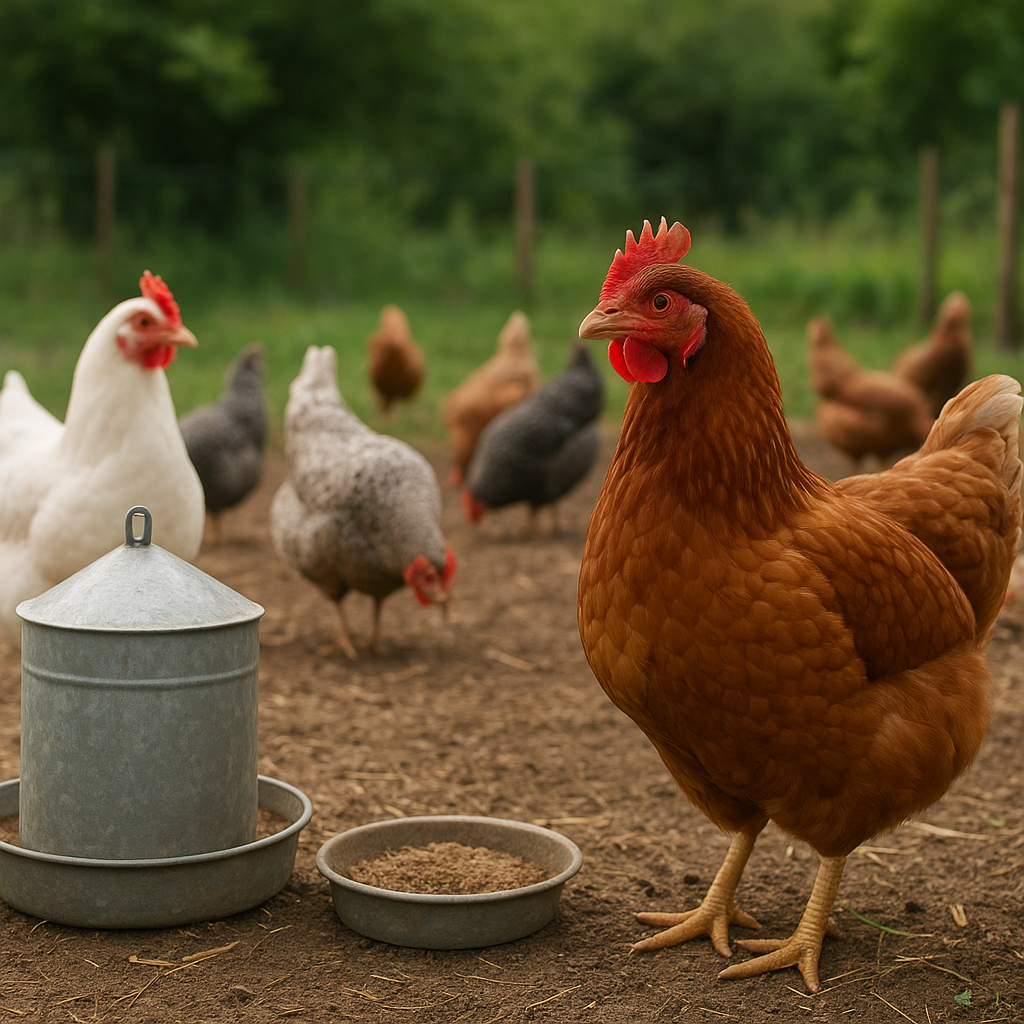
Poultry farming demands a careful balance of science and hands-on experience. Successful flocks result from attention to detail in areas such as nutrition, biosecurity, and environmental management. This article offers practical guidance to help hobbyists and commercial producers alike raise robust birds, optimize egg production, and maintain flock welfare.
Nutrition and Diet
Feeding poultry a diet that meets all their nutritional requirements is the cornerstone of healthy growth and performance. A well-balanced ration supports strong bones, glossy feathers, and efficient weight gain.
Formulating Balanced Rations
- Provide a complete feed that contains adequate protein (16–18% for layers, 20–22% for broilers).
- Ensure correct levels of calcium and phosphorus to prevent shell quality issues and skeletal disorders.
- Include essential amino acids like lysine and methionine for muscle development.
- Supplement with probiotics or prebiotics to encourage a healthy gut flora.
Supplemental Treats and Forages
While commercial rations form the diet’s backbone, free-range or backyard flocks benefit from additional options:
- Fresh greens, chopped vegetables, and kitchen scraps boost variety and encourage pecking activity.
- Grit and oyster shell dispensed separately allow birds to self-regulate their intake for digestion and eggshell strength.
- Occasional mealworms or insects supply extra protein and mental enrichment.
Housing and Environment
The physical environment significantly affects poultry health. Properly designed housing reduces stress, limits disease risk, and enhances productivity.
Coop Design and Space Requirements
- Maintain at least 4–6 square feet per bird indoors and 8–10 square feet in outdoor runs.
- Use durable flooring covered with absorbent litter (e.g., wood shavings) to manage moisture and ammonia.
- Install raised perches to support natural roosting instincts and improve air circulation.
Ventilation and Climate Control
Proper ventilation removes excess heat, moisture, and harmful gases. In cold weather, ensure drafts don’t chill birds, and in hot climates, provide shade, evaporative cooling, or fans.
Lighting Management
- Implement a consistent light schedule (14–16 hours for layers) to stimulate laying cycles.
- Use red or soft white bulbs to reduce aggression and prevent sleep disruption.
Health Management and Biosecurity
A proactive health strategy prevents outbreaks and keeps mortality rates low. Observe birds daily, respond quickly to concerns, and maintain strict hygiene protocols.
Vaccination and Disease Prevention
- Follow a vaccination program tailored to your region (e.g., Marek’s disease, Newcastle disease).
- Quarantine new or returning birds for at least 2–4 weeks to monitor for illness.
- Consult a veterinarian for routine checkups and when unusual symptoms appear.
Parasite Control and Hygiene
External parasites like mites and lice thrive in dirty environments. Incorporate these practices:
- Regularly clean and replace bedding to reduce pathogen loads.
- Use diatomaceous earth or approved insecticidal dusts in cracks and crevices.
- Rotate pasture or move portable coops to break parasite life cycles.
Water Quality and Hydration
Clean, fresh water is non-negotiable. Provide multiple nipples or cup drinkers to avoid contamination and check daily for debris or algae growth. In hot weather, consider electrolytes to maintain electrolyte balance.
Breeding, Behavior, and Welfare
Understanding natural behaviors and breeding needs ensures a harmonious flock. Enriched environments reduce stress and encourage normal activities.
Selective Breeding and Record-Keeping
- Choose parent stock based on health, temperament, and desired traits (e.g., egg color, growth rate).
- Keep accurate records of hatch rates, feed conversion, and performance to guide future breeding decisions.
Behavioral Enrichment
To curb boredom and aggression:
- Install pecking blocks or scatter grain for foraging behavior.
- Provide dust-bathing areas filled with dry soil or sand.
- Rotate movable feeders and perches to stimulate exploration.
Handling and Stockmanship
Gentle, calm interactions build trust and make routine care easier. Always:
- Approach slowly and talk softly to avoid startling birds.
- Use both hands when lifting to support the body evenly.
- Restrict excessive handling of growing chicks to reduce stress.
Business Considerations and Record Maintenance
Even small-scale producers benefit from keeping detailed records and planning finances carefully. Tracking expenses for feed, utilities, and veterinary care ensures a sustainable operation.
Cost Analysis and Budgeting
- Compare feed costs per pound of weight gain or per dozen eggs produced.
- Factor in equipment depreciation, repair costs, and labor inputs.
Marketing and Sales Strategies
- Leverage local farmers’ markets, community supported agriculture (CSA) programs, or direct farm sales.
- Highlight organic, free-range, or pasture-raised credentials to command premium prices.
Continuous Improvement and Education
Stay current with industry developments by attending workshops, reading agricultural journals, and networking with fellow producers. A commitment to lifelong learning fosters innovation and flock resilience.