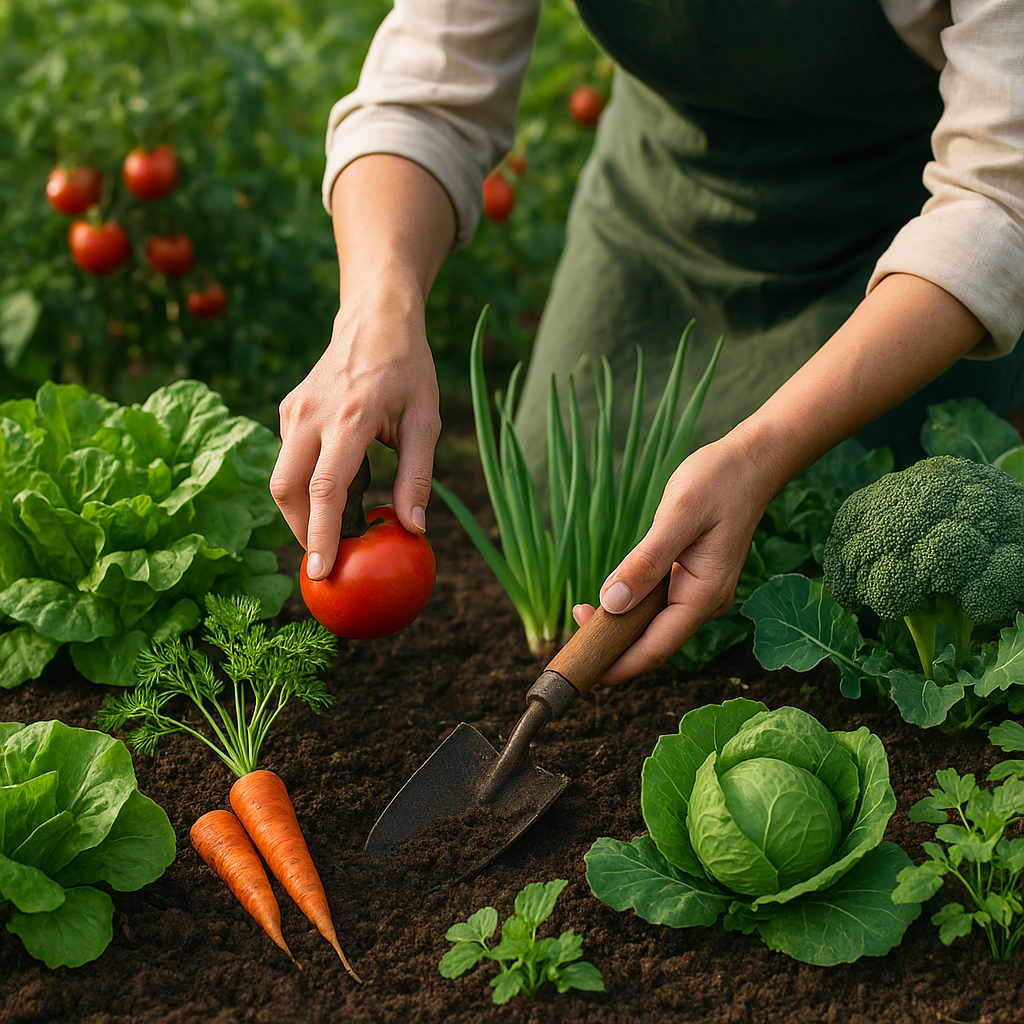
Growing fruits and vegetables that deliver exceptional flavor, texture, and nutritional value begins long before the first seed touches the soil. Whether you are a backyard gardener or manage a small-scale farm, implementing proven cultivation practices, embracing sustainable techniques, and paying attention to critical details can make all the difference. This article explores effective strategies for achieving vibrant, high-quality produce from planting through harvest.
Soil Preparation and Fertility Management
Healthy crops start with rich, well-structured soil that provides the right balance of nutrients and supports robust root systems. Conducting a thorough soil test before planting helps determine existing levels of nitrogen, phosphorus, and potassium. Based on test results, you can apply amendments such as balanced organic fertilizers, rock phosphate, or lime to correct pH imbalances. Incorporating high-quality compost or well-aged manure enhances soil fertility, increases water-holding capacity, and fosters a thriving community of beneficial microorganisms.
Deep tilling and proper aeration break up compacted layers, allowing roots to penetrate more easily. Raised beds or well-ridged rows improve drainage in heavy clay soils, while mulching with straw or shredded leaves conserves moisture and suppresses weeds. Regularly rotating crops reduces the risk of soil-borne diseases and nutrient depletion; for example, follow heavy feeders like tomatoes with legumes such as beans that fix atmospheric nitrogen back into the soil. Cover crops—rye, clover, or vetch—protect soil from erosion, prevent nutrient leaching, and add biomass when tilled under in spring.
- Test soil pH and nutrient levels every one to two years.
- Amend with organic matter: compost, green manure, or biochar.
- Practice crop rotation: heavy feeders → light feeders → cover crops.
- Implement no-till or minimal-till methods to preserve soil structure.
- Use mulch to maintain temperature and moisture levels.
Plant Selection and Crop Planning
Choosing the right cultivars is crucial for both marketable yield and flavor intensity. Heirloom varieties often boast superior taste but may require more care and disease monitoring, while hybrid crops can deliver uniformity and disease resistance. Evaluate your local climate zone, growing season length, and available space when designing a planting schedule. Succession planting—staggering sowing dates every two to three weeks—ensures a continuous harvest and optimizes space usage.
Companion planting fosters biodiversity, deters pests, and accelerates growth. Marigolds planted near tomatoes can repel root-knot nematodes, while basil improves tomato flavor. Legumes interplanted with heavy feeders enhance soil nitrogen. Plan pathways for efficient access during irrigation and maintenance, and allocate sufficient room between rows to facilitate air circulation, minimizing the risk of fungal issues. Use stakes, cages, or trellises for vining crops like cucumbers and peas, preventing fruit rot and saving garden space.
Key Factors in Cultivar Choice
- Heat tolerance for warm-season crops (e.g., peppers, melons).
- Cold-hardiness for early spring or fall plantings.
- Market preferences: size, shape, color, flavor profile.
- Disease-resistant varieties suited to local pathogens.
- Days to maturity matching your climatic window.
Irrigation, Pest Control, and Disease Management
Effective irrigation ensures plants receive consistent moisture without the stress of drought or waterlogging. Drip systems deliver water directly to the root zone, reducing evaporation and foliage wetness that can encourage fungal diseases. Water early in the morning to allow leaves to dry quickly. Mulching further conserves moisture and lowers soil temperatures during heat waves, maintaining ideal conditions for root development.
Integrated Pest Management (IPM) combines cultural, mechanical, biological, and chemical tactics to protect crops. Encourage beneficial insects such as ladybugs, lacewings, and predatory mites by planting insectary strips with flowers like alyssum and yarrow. Hand-pick larger pests—caterpillars, beetles—and remove infested leaves promptly. When needed, apply targeted organic insecticides such as neem oil or Bacillus thuringiensis, following label rates closely to avoid harming beneficial species.
Preventing diseases begins with selecting certified disease-free seeds and transplants. Sanitize tools between uses and rotate tools among crop families to avoid cross-contamination. Apply copper or sulfur-based treatments for common fungal outbreaks if environmental conditions become favorable for disease. Maintain open plant canopies through pruning and proper spacing to improve air flow and reduce humidity levels that favor pathogens.
- Install drip or soaker hoses for precise watering.
- Implement IPM: scout regularly, use traps, and release predators.
- Practice sanitation: remove debris and sanitize stakes and ties.
- Monitor weather: anticipate disease pressure during humid spells.
- Rotate crops to break pest and disease life cycles.
Harvesting Techniques and Post-Harvest Handling
Timing the harvest at optimal maturity ensures peak flavor, sugar content, and nutrient levels. Use color, size, and firmness as indicators—ripe tomatoes will detach easily, while melons emit a sweet aroma at the stem end. Harvest in the coolest part of the day to minimize heat stress and respiration rates, which can reduce shelf life.
Handle produce gently to prevent bruising. For leafy greens, cut stems instead of pulling to avoid root damage. Immediately cool harvested items in shaded, well-ventilated areas or submerge in cool water to remove field heat. Rapid cooling dramatically extends freshness and crispness. Sort and grade fruit and vegetables based on appearance and ripeness before packaging.
Appropriate storage conditions vary: root vegetables like carrots and beets thrive in cool, humid environments around 32–40°F and 90–95% relative humidity, while tomatoes store best at 55–60°F to maintain texture and flavor. Calibrate refrigeration units regularly to ensure accurate temperatures. Label crates with harvest dates and variety names to monitor turnover and reduce waste.
- Harvest early for leafy greens to avoid bitterness.
- Cool quickly: hydrocool or shade immediately after picking.
- Store perishable crops in controlled-atmosphere or cold rooms.
- Inspect stored produce daily for signs of decay.
- Rotate stock: first in, first out ensures minimum spoilage.