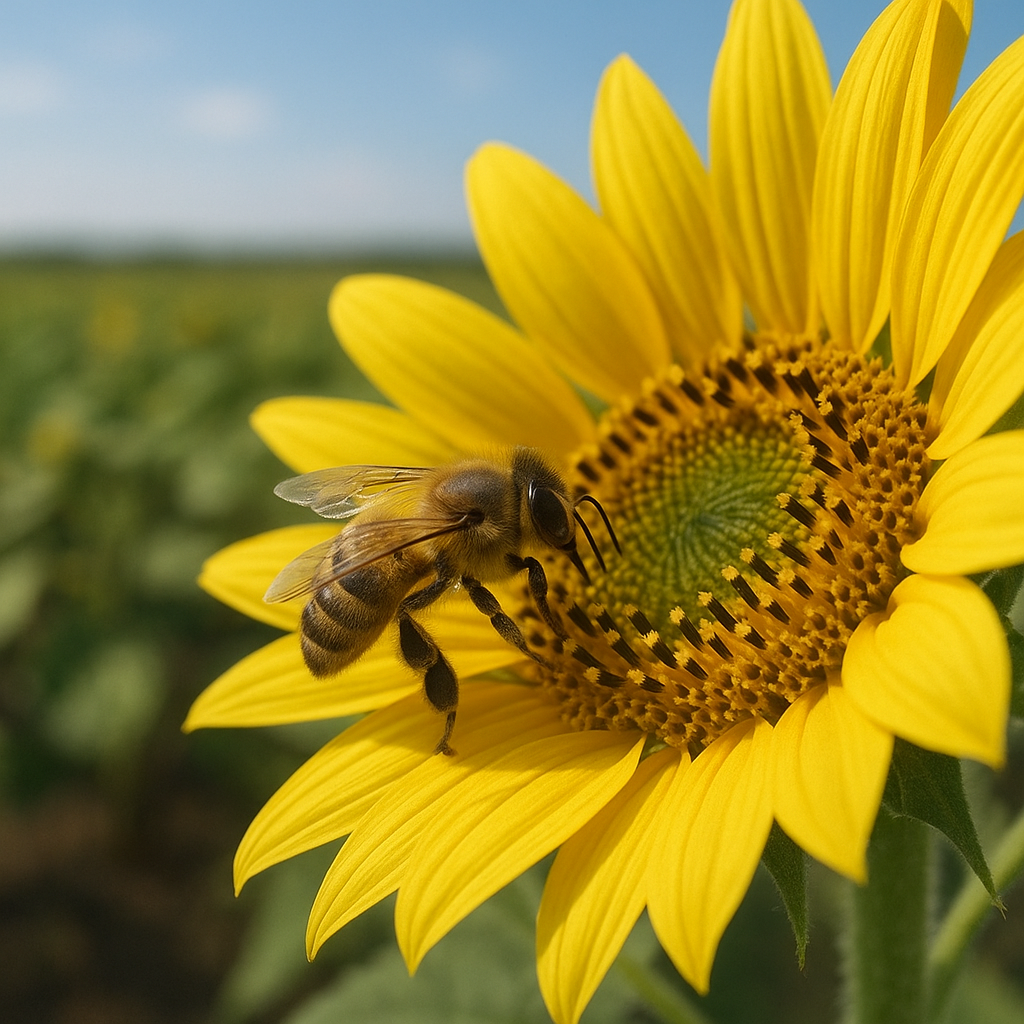
Pollinators play an indispensable role in maintaining healthy crop systems by facilitating the transfer of pollen between flowers, which directly influences the quality and quantity of fruits and seeds. Farmers and agricultural advisors are increasingly recognizing how integrating pollinator-friendly practices can boost overall productivity while preserving vital ecosystem functions. This article explores practical tips, management strategies, and emerging innovations to support pollinator populations and harness their services for sustainable agriculture.
Importance of Pollinators for Crop Productivity
Effective pollination underpins a large portion of global food production, with many staple and specialty crops reliant on animal vectors. Without adequate pollinator activity, yields can decline by up to 50 percent in certain fruits, nuts, and vegetables. Beyond mere volume, pollination also enhances fruit size, uniformity, and shelf life, translating into higher market value. Recognizing the intrinsic connection between healthy pollinator populations and farm success is critical for every grower striving for resilient systems.
Key Pollinator Species
- Bees: Honeybees, bumblebees, and solitary bees are among the most efficient pollinators, visiting thousands of flowers per day.
- Butterflies and moths: These lepidopterans prefer wide-open blossoms and contribute significantly to wildflower and orchard pollination.
- Birds and bats: In tropical regions, hummingbirds and nectar-feeding bats service night-blooming plants.
- Flies and beetles: Often overlooked, these insects support pollination in cooler or shaded environments where bees may be less active.
Impact on Yield and Quality
Research indicates that improved pollinator access can boost fruit set by 20–30 percent and increase yield stability under environmental stress. Enhanced cross-pollination also optimizes genetic diversity within crops, leading to more vigorous seedlings and superior seed quality. By maintaining robust pollinator networks, producers safeguard both short-term profits and long-term field health, creating a virtuous cycle of sustainability.
Enhancing Pollination through Farm Management Practices
Adapting daily operations to favor pollinator welfare can be straightforward and cost-effective. Implementing habitat enhancements, thoughtful crop rotations, and targeted Integrated Pest Management (IPM) protocols helps reduce harmful exposures and provides continuous floral resources. Farmers can thus build resilient agroecosystems that balance pest control with wildlife conservation.
Creating Pollinator-Friendly Habitats
Establishing diverse flowering strips along field margins, hedgerows, and cover-crop zones delivers year-round forage. Native wildflowers such as clover, phacelia, and goldenrod support a broad range of species. Including early-, mid-, and late-season blooms ensures sustenance throughout the growing cycle, preventing food gaps that can starve emerging colonies.
Reducing Chemical Stress
Minimizing broad-spectrum insecticide use and opting for targeted biocontrol agents helps preserve beneficial insect populations. When applications are necessary, timing sprays for evening or cooler hours reduces direct contact with foraging bees. Choosing active ingredients with lower toxicity to pollinators and adhering to label guidelines is vital for maintaining a healthy pollination network.
Strategic Crop Rotation
Rotating flowering cover crops like buckwheat or mustard with cash crops prevents soil degradation while providing habitat continuity. This strategy fosters diverse soil microbiomes and supplies alternating forage sources. Changing flowering patterns year to year also mitigates disease pressure, reducing the need for chemical intervention and sustaining healthy farm ecosystems.
Innovative Technology and Design for Pollinator Support
Advances in precision farming and landscape design offer novel ways to monitor and enhance pollinator activity. From mobile apps that track bee health to drones that map foraging corridors, cutting-edge tools enable producers to fine-tune their management plans according to real-time data.
GIS Mapping for Habitat Planning
Geographical Information Systems (GIS) can identify high-impact zones for planting pollinator plots or restoring wetlands. By overlaying soil, climate, and land-use data, growers can pinpoint areas where habitat creation will yield the greatest benefit for both pollinators and crops. This spatial approach maximizes resource use and guides long-term conservation investments.
Bee Hotels and Artificial Nests
Providing nesting structures such as drilled wooden blocks and reed bundles helps solitary bees thrive, especially in regions with limited natural hollows. These “bee hotels” can be strategically placed near fields to boost local pollinator populations. Regular maintenance—cleaning, replacing old materials—prevents disease buildup and ensures ongoing suitability for nesting.
Data-Driven Pollinator Monitoring
Smart sensors and AI-powered image recognition systems track visitation rates, species diversity, and even forager health. This granular data allows rapid responses to emerging threats like disease outbreaks or pesticide drift. By staying informed, producers can adapt quickly, safeguarding the mutualistic relationship between their crops and pollinators.
Socioeconomic and Environmental Considerations
Incorporating pollinator support measures brings broader ecological and economic dividends. Healthy pollinator populations enhance landscape-level biodiversity, strengthening ecosystem resilience against climate extremes. Simultaneously, markets are increasingly rewarding products grown with certified pollinator-friendly methods, opening new revenue streams.
Valuing Ecosystem Services
Quantifying the economic value of pollination services—often valued at hundreds of billions of dollars globally—helps justify habitat restoration budgets. When growers measure the return on investment from improved yields and lower input costs, they can allocate resources more efficiently, bridging the gap between ecological stewardship and farm profitability.
Community Engagement and Education
Collaborating with local beekeepers, extension agents, and conservation organizations fosters knowledge exchange and collective action. Hosting field days and workshops raises awareness of pollinator needs and showcases best practices. Engaged communities are more likely to support policies that protect pollinator corridors and regulate harmful agrochemicals.
Future Outlook for Pollinator Health in Agriculture
Ongoing research into pollinator physiology, pathogen resistance, and climate adaptation promises new breakthroughs. Breeding more resilient bee strains, developing flower mixes tailored to local conditions, and refining precision pesticide delivery are on the horizon. By staying at the forefront of innovation, farmers will ensure that pollinators remain robust partners in meeting global food demands.