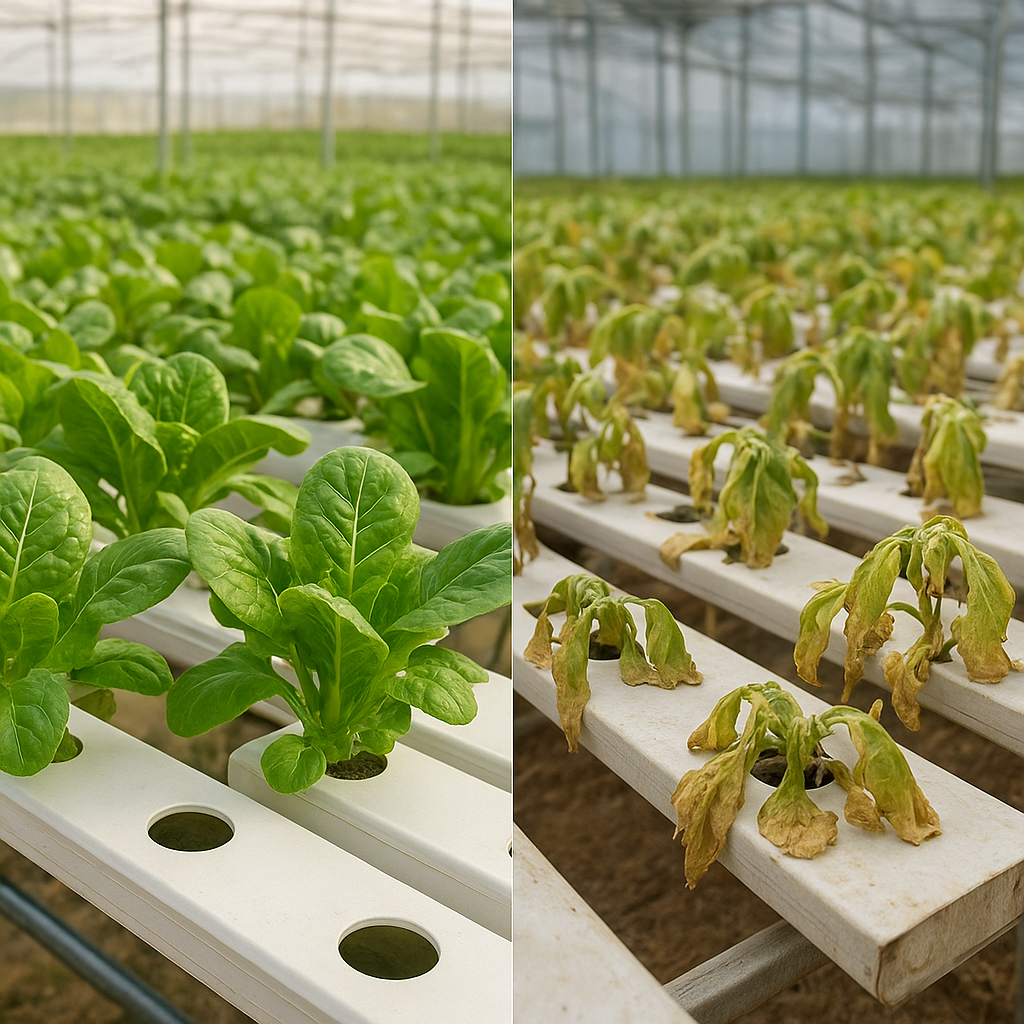
Hydroponic farming has emerged as a transformative approach in modern agriculture, offering growers an opportunity to cultivate crops without soil. By leveraging water-based systems, growers can precisely manage plant nutrition, optimize resource use, and adapt production to diverse environments. Whether you are a home gardener or a commercial producer, understanding the pros and cons of hydroponic farming and learning practical tips can help you maximize success and innovation in this evolving field.
Benefits of Hydroponic Farming
Hydroponic systems offer a range of advantages over traditional soil-based cultivation, making them attractive to both small-scale hobbyists and large-scale commercial operations. Key benefits include:
1. Efficient Resource Use
- Reduced water usage: By recirculating nutrient solutions, hydroponic setups can use up to 90% less water compared to conventional farming.
- Optimized nutrient delivery: Plants receive a precise blend of minerals directly to their roots, minimizing waste and ensuring consistent growth.
2. Enhanced Crop Productivity
- Faster growth cycles: Controlled delivery of nutrients can accelerate plant development, allowing multiple harvests per year.
- Higher yield: With ideal conditions, hydroponic farms often outperform soil-based systems in terms of pounds produced per square foot.
3. Space Optimization
- Vertical farming potential: Hydroponic methods enable vertical stacking of trays or towers, significantly increasing output in limited footprints.
- Urban and indoor cultivation: Crops can be grown in warehouses, shipping containers, or rooftops, bringing production closer to consumers and reducing transportation costs.
4. Reduced Pest and Disease Pressure
- Soilless environment: Absence of soil-borne pathogens lowers the risk of root diseases and nematodes.
- Controlled environment: Indoor or greenhouse setups allow for tighter biosecurity, reducing infestations of pests like aphids or mites.
Challenges and Drawbacks of Hydroponic Farming
Despite its many advantages, hydroponic farming also presents unique challenges. Being aware of these factors is essential for planning and long-term viability.
1. Initial Investment and Setup Costs
- Equipment expenses: Pumps, reservoirs, lighting, and structural supports add up quickly.
- System design complexity: Tailoring a reliable setup requires careful planning, from nutrient solution preparation to pH monitoring.
2. Technical Knowledge Requirements
- Nutrient management: Maintaining the ideal concentration and balance of elements calls for regular testing and adjustments.
- System maintenance: Clogging, algae growth, and mechanical failures can interrupt production if not promptly addressed.
3. Energy Consumption
- Artificial lighting: High-intensity LEDs or metal halide lamps are often needed, especially in indoor environments.
- Climate control: Heating, cooling, and ventilation systems may be required to maintain optimal temperatures and humidity.
4. Risk of Disease Spread
- Shared water: A pathogen introduced into a common reservoir can quickly affect all plants.
- Sanitation protocols: Regular disinfection of components is critical to prevent outbreaks of root rot or other issues.
Practical Tips for Successful Hydroponic Cultivation
Implementing best practices can significantly improve the resilience and output of your hydroponic system. Below are actionable tips for growers at every level.
1. Select the Right System for Your Needs
Different hydroponic techniques—such as Nutrient Film Technique (NFT), Deep Water Culture (DWC), and ebb-and-flow—offer unique advantages. Consider factors like available space, crop type, and budget when choosing a method.
2. Maintain Optimal Nutrient Solutions
- Regular testing: Use TDS (Total Dissolved Solids) meters and pH meters to monitor nutrient strength and acidity.
- Balanced formulas: Ensure your solution contains essential macronutrients (N-P-K) and micronutrients like iron, manganese, and zinc.
- Temperature control: Keep nutrient reservoirs between 18°C and 22°C to prevent root stress and inhibit pathogenic growth.
3. Control Environmental Conditions
- Light management: Provide 14–18 hours of high-quality light per day, adjusting intensity based on plant growth stage.
- Humidity regulation: Maintain relative humidity between 50% and 70% to balance transpiration and disease prevention.
- Air circulation: Use fans or ducting to ensure fresh air exchange, strengthening stems and deterring molds.
4. Implement Strong Pest Management Strategies
- Integrated Pest Management (IPM): Monitor plants regularly, introduce beneficial insects, and use biological controls when possible.
- Quarantine procedures: Isolate new plants or cuttings before integrating them into your main system.
5. Optimize Automation and Monitoring
Invest in sensors and controllers that automate nutrient dosing, pH adjustments, and environmental logging. Automated alerts can help you address issues before they escalate.
6. Plan for Power Outages and Failures
- Backup generators: Ensure uninterrupted operation of pumps and climate controls during outages.
- Redundant systems: Use dual pumps or extra reservoirs to maintain distribution if one component fails.
Future Outlook and Innovations
The hydroponic sector continues to evolve with research and technological breakthroughs. Producers who stay informed and adapt new tools can maintain a competitive edge and drive sustainable expansion.
1. Advanced Automation and AI Integration
- Predictive analytics: Machine learning models can forecast nutrient needs and growth stages based on environmental data.
- Robotic maintenance: Automated systems for pruning, harvesting, and cleaning are becoming more accessible for large-scale operations.
2. Sustainable Energy Solutions
- Solar integration: Photovoltaic panels can offset energy demands for lighting and climate control.
- Wind and bioenergy: Hybrid renewable systems are under development to reduce the carbon footprint of indoor farms.
3. Next-Generation Growing Media
- Bio-based substrates: Innovations in coconut coir, bamboo fiber, and mycelium blocks offer sustainable alternatives to rock wool.
- Enhanced aeration beads: New materials improve oxygen availability and root health.
4. Consumer-Centric Models
- Farm-to-table partnerships: Direct sales to restaurants and grocery stores shorten supply chains and ensure freshness.
- Subscription boxes: Home delivery of freshly harvested hydroponic greens is gaining traction among urban consumers.
By weighing the advantages and challenges of hydroponic farming and applying targeted tips, growers can harness this technology to boost efficiency, reduce resource consumption, and meet the rising demand for quality produce. Continuous innovation in automation, energy use, and sustainable materials will shape the next era of soilless agriculture, empowering farmers to feed communities more effectively and responsibly.