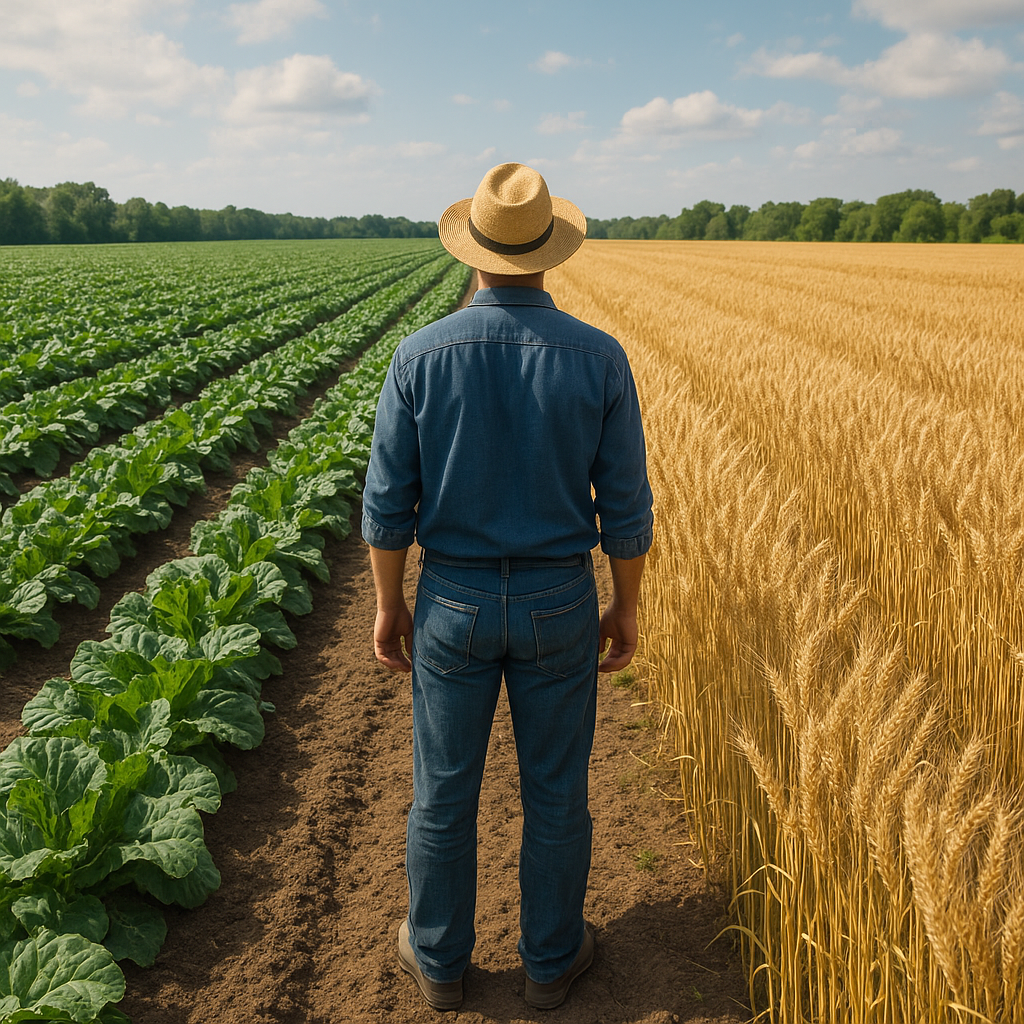
Effective management of agricultural land hinges on practices that promote long-term productivity and environmental balance. One of the most critical strategies for achieving these goals is crop rotation. This technique goes beyond simply changing crops year after year; it’s an integrated system designed to boost soil health, enhance nutrients availability, and reduce reliance on chemical inputs. By understanding how to implement rotation correctly, farmers can cultivate resilient ecosystems, improve yields, and sustain operations for generations.
Benefits of Crop Rotation and Sustainable Farming
Adopting a rotation strategy brings a wealth of advantages that ripple through every aspect of the farm:
- Soil fertility: Alternating deep-rooted and shallow-rooted crops, such as legumes and cereals, ensures even distribution of nutrients and prevents depletion of critical elements like nitrogen and phosphorus.
- Disease prevention: Pathogens and pests often specialize on a narrow range of hosts. By rotating unrelated crops, you break pest life cycles and reduce inoculum levels in the soil.
- Organic matter accumulation: Certain cover crops contribute biomass that enriches soil structure, improves water retention, and encourages beneficial microbial activity.
- Sustainability: Decreased need for synthetic fertilizers and pesticides lowers input costs, reduces pollution, and promotes long-term environmental health.
- Yield stability: While individual crop yields may fluctuate, overall productivity tends to rise over multiple seasons when fields are managed with rotation in mind.
Designing an Effective Rotation Plan
Crafting a rotation schedule requires careful consideration. The goal is to sequence crops so they complement one another and address specific soil and pest challenges:
1. Soil Analysis and Crop Selection
Begin by testing soil pH, texture, and nutrient content. Identify deficiencies and tailor your rotation to include crops that naturally remediate imbalances. For example, legumes such as peas or clover can boost nitrogen fixation, while deep-rooted species like sunflower improve soil aeration. Incorporate cover crops like rye or oats to suppress weeds, build organic matter, and maintain moisture.
2. Sequence Strategies
Popular rotation models include:
- Three-year rotation: Cereal → Legume → Brassica. This pattern reduces pathogen carryover and balances nutrient extraction and replenishment.
- Four-year rotation: Corn → Soybean → Wheat → Cover crop. Frequent inclusion of a cover or green manure stage revitalizes structure and fertility.
- Vegetable-intensive rotation: Solanaceae (tomato, pepper) → Cucurbitaceae (cucumber, squash) → Brassicaceae (cabbage, broccoli) → Allium (onion, garlic). This group-based approach targets family-specific pests and diseases.
3. Timing and Field Layout
Stagger planting and harvest dates to distribute labor and equipment demands. Divide the farm into blocks or strips so different rotations can proceed simultaneously. This spatial arrangement also prevents pest migration across adjacent plots. Ensure that irrigation and drainage systems accommodate varying crop water needs. Implement buffer zones with grasses or hedgerows to encourage beneficial insects and promote biodiversity.
Implementing Rotation in Practice
Transitioning from theory to field execution involves these key steps:
- Field preparation: Conduct a thorough soil prep that includes minimal tillage to preserve structure. Broadcast seeds of cover crops after harvest to protect bare ground.
- Planting diverse species: Intercrop where appropriate. Relay cropping or strip intercropping can maximize land use while maintaining the integrity of each rotation phase.
- Monitoring and record-keeping: Track yields, pest incidence, and soil parameters annually. Use this data to refine rotation sequences and anticipate nutrient shortfalls.
- Adaptive management: Be prepared to adjust planting dates or substitute crops based on weather trends, market demands, and emerging pest pressures.
- Integrating livestock: If feasible, grazing cover crops with sheep or cattle can accelerate nutrient cycling and add value through manure distribution.
Common Mistakes and Troubleshooting
Even well-designed rotations can falter if certain pitfalls are overlooked. Recognize these issues early and take corrective action:
Short Rotation Cycles
Rotating within a two-year window may not fully disrupt pest or disease cycles. Aim for at least a three-year sequence, especially when dealing with persistent soil-borne pathogens.
Poor Soil Testing Frequency
Neglecting periodic nutrient analyses can result in unnoticed deficiencies. Re-test fields every 2–3 years and adjust fertilizer or amendment plans accordingly to maintain optimal soil health.
Ignoring Pest Life History
Not all pests respond equally to rotation. Some insects or nematodes have broad host ranges. In those cases, incorporate resistant cultivars, biological controls, or targeted chemical interventions alongside rotation for comprehensive management.
Uniform Field Practices
Applying identical machinery routines across all blocks ignores unique soil conditions and crop needs. Customize tillage depth, fertilizer rates, and irrigation schedules based on each crop’s requirements.
Underestimating Cover Crop Benefits
Cover crops are more than placeholders. They actively rebuild organic matter, suppress weeds, and can even scavenge leftover nutrients to prevent leaching. Dedicate adequate time for cover crop growth to maximize these advantages.
By embracing the principles of crop rotation—from thoughtful design to vigilant implementation—farmers can foster healthier soils, curb pest pressures, and secure consistent yield improvements. This time-tested practice remains a cornerstone of regenerative agriculture, proving that diversity and planning are the keys to resilient, productive landscapes.