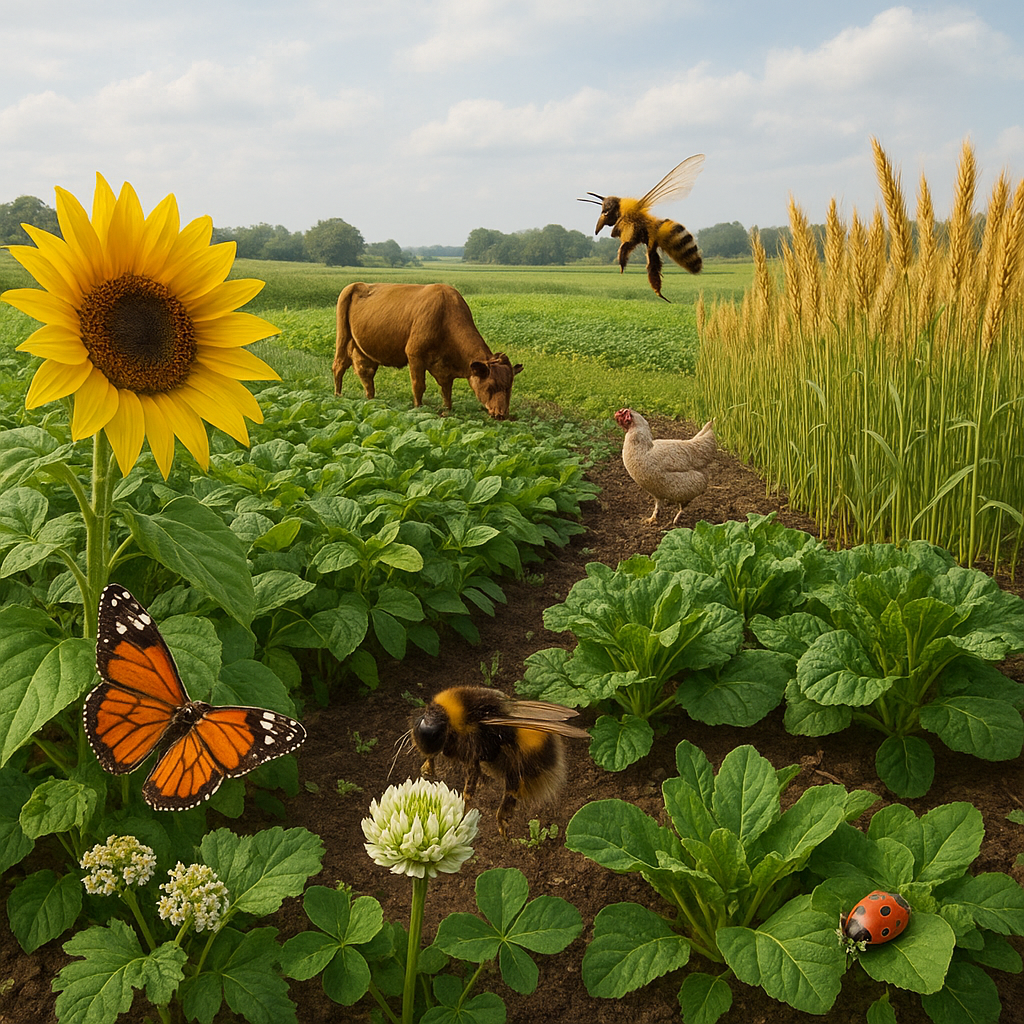
Maintaining a thriving agricultural landscape requires more than careful irrigation and fertilization; it demands a deep understanding of the intricate relationships that exist among plants, animals, microorganisms, and their environments. Embracing the concept of biodiversity allows farmers and gardeners to create robust systems that support long-term sustainability, improve soil structure, and reduce reliance on chemical inputs. This article explores critical aspects of biodiversity in agriculture, offering practical tips and insights to help practitioners harness the power of natural ecosystems.
Healthy Soil and Nutrient Cycling
The foundation of any productive farm lies beneath the surface: the soil. A diverse soil community—composed of bacteria, fungi, earthworms, insects, and root networks—drives essential processes like decomposition and nutrient mineralization. When these organisms interact harmoniously, they deliver a balanced supply of nutrients such as nitrogen, phosphorus, and potassium, supporting vigorous crop growth.
Key factors influencing soil biodiversity include:
- Organic matter inputs: Incorporating compost, green manure, and cover crops feeds soil organisms and enhances moisture retention.
- Tillage practices: Reduced or no-till systems preserve the delicate web of fungal hyphae and earthworm channels, preventing soil compaction.
- Crop rotation: Alternating plant families disrupts pest cycles and maintains a variety of root exudates, which nourish different microbial communities.
By implementing diverse cropping sequences—such as rotating cereals with legumes and brassicas—farmers can encourage the proliferation of beneficial microbes. These organisms produce enzymes that unlock locked-up ecosystem resources, improving nutrient availability and reducing the need for synthetic fertilizers.
Enhancing Crop Resilience through Diversity
Monocultures may streamline planting and harvest operations, but they often lack the genetic safeguards needed to withstand droughts, diseases, and extreme weather. Incorporating genetic and varietal diversity into planting schemes can dramatically increase a farm’s overall resilience. Here are some strategies:
- Polyculture plantings: Growing multiple species or varieties together can interrupt pest transmission and dilute pathogen spread.
- Agroforestry systems: Integrating trees with crops or livestock creates microclimates, reduces wind erosion, and supports additional wildlife habitat.
- Seed banks and heritage varieties: Saving and exchanging seeds from locally adapted cultivars preserves valuable traits that may perform better under future climate scenarios.
Moreover, a mosaic of flowering plants throughout the field margins attracts a wide range of pollinators—including bees, butterflies, and hoverflies—that play an indispensable role in fruit set and seed production. Establishing diversified hedgerows or flowering strips with species such as clover, phacelia, and goldenrod can bolster pollinator populations and deliver a more productive harvest.
Practical Agriculture Tips for Enhancing Biodiversity
Integrating biodiversity-friendly practices does not require wholesale overhaul of existing operations. Consider these manageable steps:
- Cover crop cocktails: Mix legumes, cereals, and brassicas to create cover crops that suppress weeds, fix nitrogen, and attract beneficial insects.
- Intercropping: Plant fast-growing species like radishes between slower-growing vegetables to maximize space and light utilization.
- Rotational grazing: Move livestock frequently to prevent overgrazing, encourage manure distribution, and stimulate pasture regrowth.
- Buffer zones: Establish permanent grass or wildflower margins around fields to filter runoff, reduce erosion, and support wildlife corridors.
- Biological control introductions: Release predatory insects or nematodes to target pests, diminishing the need for chemical pesticides.
Each of these methods can be tailored to the specific climate zone, soil type, and crop selection of a particular farm. Combining multiple techniques often yields synergistic benefits, reinforcing the stability of agricultural ecosystems.
Economic and Environmental Advantages
Adopting biodiversity-enhancing practices not only safeguards the environment but can also improve a farm’s bottom line. Diverse systems often enjoy lower input costs, higher resilience to price fluctuations in fertilizers and pesticides, and access to premium markets that value conservation and eco-labels. Some economic and environmental gains include:
- Reduced pest management expenses through natural predation and habitat diversification.
- Improved water retention and drought mitigation provided by healthy soil organic matter.
- Carbon sequestration potential in multi-species cover crops and agroforestry setups.
- Enhanced landscape aesthetics, which may support agri-tourism and community engagement.
By measuring indicators such as soil organic carbon, microbial biomass, and on-farm species counts, producers can demonstrate progress toward environmental targets and secure grants or incentives for sustainable agroecology initiatives. In turn, these practices contribute to broader goals of climate adaptation and rural development.