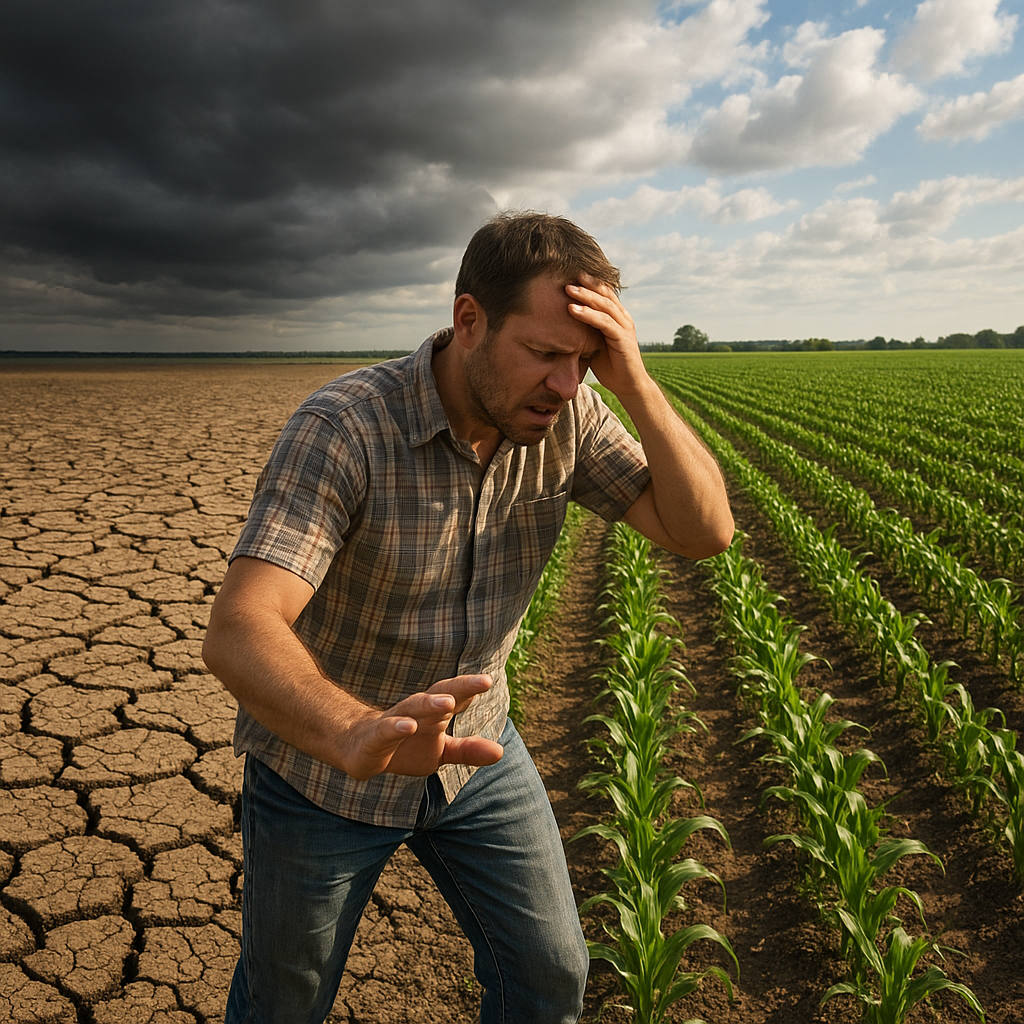
Climate change poses unprecedented challenges to modern agriculture, demanding adaptive strategies and innovative solutions to safeguard food security and farmer livelihoods. By understanding the multifaceted impacts of shifting weather patterns, growers can implement practical tips that enhance crop performance and preserve natural resources.
Climate Stressors and Crop Resilience
Rising temperatures, erratic rainfall and extreme events such as heatwaves or floods intensify stress on crops. Farmers must focus on building resilience against these stressors to maintain stable yields:
- Heat-tolerant Varieties: Select crop cultivars bred for higher temperature thresholds. Traits like improved transpiration efficiency help plants cope with heat without sacrificing growth.
- Drought-resistant Seeds: Incorporate seeds engineered for deeper root systems that access subsoil moisture. This reduces irrigation needs and safeguards plants during drought spells.
- Mulching Practices: Apply organic or plastic mulches to conserve soil moisture, suppress weeds and moderate soil temperature fluctuations.
- Shade Management: Introduce agroforestry—intercropping with trees—to provide partial shade, reduce evaporation and bolster microclimates.
Efficient Water Management Strategies
Water scarcity exacerbated by higher evaporation rates demands precise irrigation planning. Efficient water use not only reduces costs but also protects aquatic ecosystems:
- Drip Irrigation: Delivers water directly to the root zone, minimizing losses from evaporation and runoff. Automated drip systems can be paired with soil moisture sensors for timed watering.
- Rainwater Harvesting: Install gutters and storage tanks to capture seasonal rains. Stored water can supplement irrigation during dry spells, boosting efficiency of water resources.
- Scheduling by Evapotranspiration: Monitor local weather data to calculate crop water needs. Adjust irrigation timing based on temperature, humidity, wind and solar radiation.
- Cover Cropping: Cultivate cover crops during the off-season to improve infiltration, reduce erosion and increase soil organic matter that retains water.
Soil Health and Conservation
Healthy soils are the foundation of productive agriculture. By preserving soil structure and fertility, farmers enhance nutrient availability and reduce vulnerability to erosion:
- Organic Amendments: Incorporate compost, manure or biochar to build soil organic carbon. Enhanced organic matter boosts water retention, nutrient cycling and microbial activity.
- No-till or Reduced-till Systems: Minimize soil disturbance to protect aggregates, reduce erosion and foster beneficial earthworm populations.
- Contour Farming and Terracing: On sloped lands, follow contour lines or install terraces to slow water runoff, preventing topsoil loss.
- Soil Testing and Precision Nutrient Management: Regularly analyze pH, macronutrient and micronutrient levels. Apply fertilizers only as needed to avoid leaching and maintain optimal soil health.
Crop Diversification and Sustainable Practices
Relying on a single crop can amplify climate risks. Diversification and sustainable techniques help maintain ecosystem biodiversity and buffer against market or climatic shocks:
- Polyculture Systems: Grow multiple complementary crops together, reducing pest outbreaks and enhancing resource use. For example, legumes fix nitrogen that benefits neighboring cereals.
- Rotational Grazing: Alternate livestock grazing areas to prevent overgrazing, replenish pasture quality and distribute manure for natural soil fertilization.
- Agroecological Approaches: Integrate beneficial insects, flowering strips and hedgerows to promote pollinators and natural pest predators.
- Cover Crop Mixtures: Use blends of grasses, legumes and brassicas to maximize soil cover, nutrient scavenging and organic matter inputs.
Technology and Innovation in Agriculture
Digital tools and modern engineering offer new avenues to adapt to climate uncertainties. Embracing innovation can translate to better decision-making and resource optimization:
- Remote Sensing and Drones: Monitor crop health, soil moisture and pest outbreaks via aerial imaging. Rapid diagnostics enable targeted interventions.
- IoT-enabled Sensors: Deploy in-field sensors to track temperature, humidity and nutrient levels. Data-driven alerts inform timely adjustments in irrigation or fertilization.
- Mobile Apps and Decision-support Platforms: Access weather forecasts, market prices and agronomic recommendations on the go. Farmers can plan planting dates or harvest schedules with greater accuracy.
- Biological Soil Amendments: Leverage mycorrhizal fungi and beneficial bacteria inoculants to boost root uptake of nutrients and improve plant stress tolerance.
Adoption and Community Collaboration
Implementing climate-smart strategies is more effective when farmers collaborate, share knowledge and pool resources:
- Cooperative Models: Join or form cooperatives to gain collective bargaining power for inputs, equipment and product sales.
- Extension Services and Farmer Field Schools: Participate in training sessions to exchange best practices and observe on-farm demonstrations.
- Climate Information Networks: Engage with local meteorological services and online platforms for real-time alerts on frost risks, heatwaves or heavy rains.
- Public–Private Partnerships: Collaborate with research institutions, NGOs and agritech firms to pilot new technologies or access subsidized seeds and fertilizers.