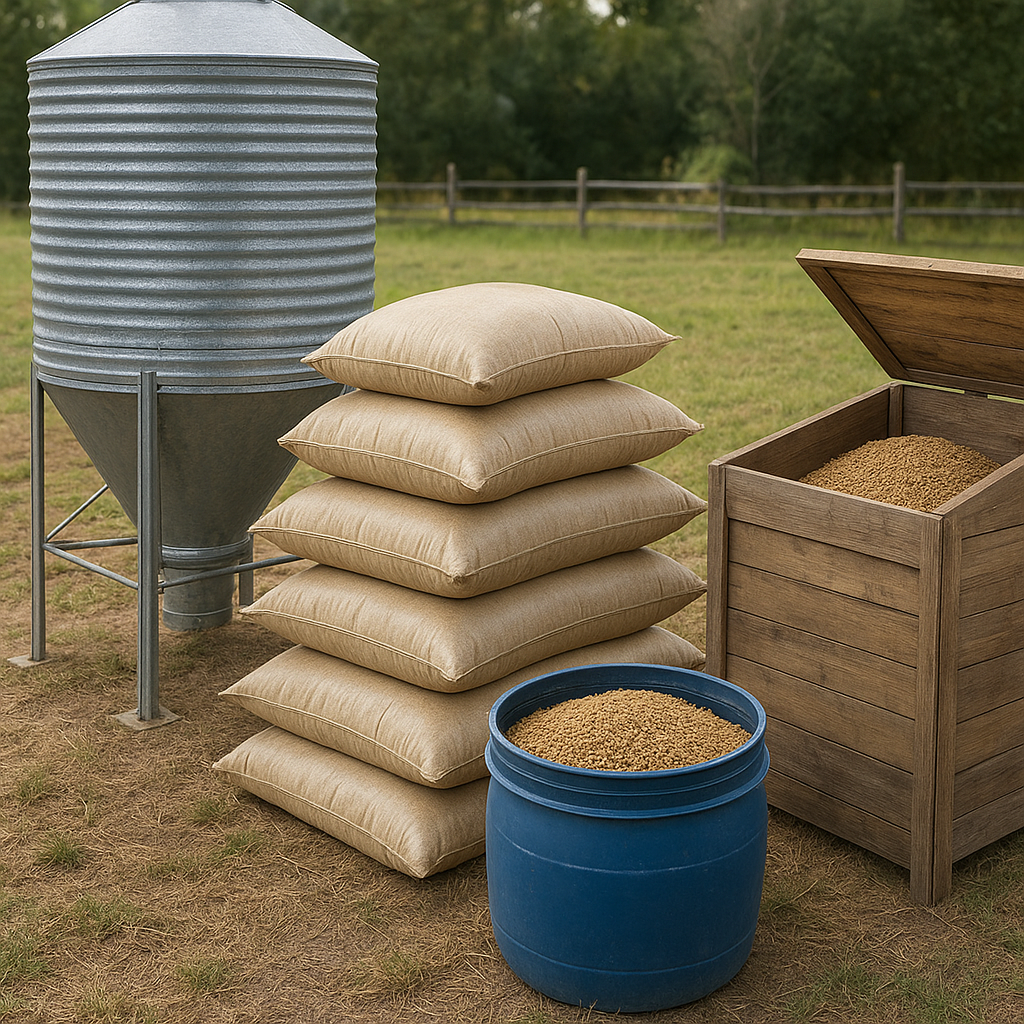
Properly storing animal feed is essential for maintaining its nutritional value and ensuring the health of your livestock. This guide provides practical agricultural tips covering moisture control, container selection, pest prevention, inventory management, and environmental safety. By adopting these best practices, you can maximize feed quality, reduce waste, and safeguard animal wellbeing.
Moisture Control and Proper Drying
One of the most significant factors affecting feed quality is moisture. Excessive moisture can lead to mold growth, nutrient degradation, and the proliferation of harmful bacteria. To maintain optimal feed condition, focus on effective drying techniques and continuous monitoring of moisture levels.
- Harvest grains at the right moisture content: Ensure cereals and legumes are harvested when moisture is below 15% to minimize the risk of spoilage.
- Use mechanical dryers: Modern storage facilities often include forced-air dryers that reduce moisture rapidly, preventing fungal development.
- Employ natural sun drying: In regions with reliable sunshine, spread feed on clean tarps and turn regularly to achieve an even dry.
- Implement moisture sensors: Place sensors at various points in silos or bins to detect hotspots and intervene before spoilage accelerates.
- Maintain proper airflow: Good ventilation in storage areas helps dissipate moisture and keeps temperature stable.
Regular testing using moisture meters or by sampling feed can help you detect early warning signs. If readings exceed safe thresholds, consider further drying or redistributing the material to reduce risk.
Choosing Durable Containers and Silo Options
Selecting the right storage vessels is crucial for protecting feed from environmental factors and contamination. Several container types and silo systems are available, each offering specific advantages.
Metal Silos
- Durability: Resistant to rodents and strong weather conditions.
- Sealing: Tight-fitting lids and gaskets prevent water ingress.
- Temperature control: Reflective coatings minimize heat buildup.
Plastic and Polyethylene Containers
- Cost-effective: Lower initial investment compared to steel silos.
- Mobility: Lightweight and easier to relocate as needed.
- Ease of cleaning: Smooth surfaces prevent residue buildup and facilitate hygiene.
Concrete Bins
- Structural stability: Ideal for large-scale operations requiring long-term storage.
- Thermal mass: Slower temperature fluctuations help regulate moisture.
- Pest resistance: Properly sealed concrete reduces rodent intrusion.
Key Factors in Container Selection
- Capacity requirements: Match vessel size to average feed usage to avoid prolonged storage.
- Accessibility: Ensure easy loading, unloading, and inspection to keep feed fresh.
- Maintenance demands: Consider ease of cleaning and repair over the container’s lifespan.
Preventing Pest Infestations and Contamination
Unwanted pests not only consume valuable nutrients but also introduce pathogens into stored feed. A comprehensive strategy includes both physical barriers and ongoing surveillance.
- Seal entry points: Inspect storage buildings for cracks or holes and apply rodent-proof mesh or sealants.
- Use insect-resistant packaging: Liners or treated bags can repel weevils and beetles.
- Implement regular monitoring: Place pheromone traps to track insect activity and respond swiftly.
- Apply food-safe fumigants: When infestations are severe, controlled fumigation can eradicate pests without affecting feed quality.
- Maintain surrounding area hygiene: Remove debris, spilled grain, and standing water to reduce breeding grounds.
It’s also beneficial to rotate storage sites periodically, preventing localized infestations from becoming entrenched. Training staff or family members in early detection techniques can further limit losses and health risks.
Inventory Management and Rotation Strategies
Effective rotation of feed supplies ensures that older batches are used first, preventing nutrient loss and spoilage. A systematic approach can streamline operations and reduce waste.
- First-In, First-Out (FIFO): Label containers with delivery dates and organize them so that the earliest supplies are most accessible.
- Recordkeeping: Maintain logs of feed quantities, batch numbers, and usage rates to predict when replenishment is needed.
- Batch segregation: Store different feed types separately to avoid contamination and simplify stock control.
- Balance purchase quantities: Order feed in amounts that match consumption patterns, minimizing extended storage durations.
- Regular audits: Conduct monthly checks of inventory levels, adjusting ordering schedules based on observed trends.
By adhering to a disciplined inventory routine, you preserve maximum nutritional value and avoid the economic impact of wasted feed.
Implementing Safety and Environmental Practices
Store feed in a manner that protects both human handlers and the surrounding ecosystem. Safety protocols and eco-friendly measures contribute to sustainable agriculture.
- Personal protective equipment (PPE): Provide gloves, dust masks, and safety goggles when handling dusty or treated feeds.
- Spill containment: Install bunds or trays under storage containers to capture leaks and prevent groundwater pollution.
- Proper disposal: Compost or process spoiled feed appropriately instead of discarding in open fields, which can attract wildlife and pests.
- Energy-efficient designs: Opt for solar-powered ventilation systems or high-efficiency fans to reduce operational costs.
- Training programs: Educate farm staff on emergency response procedures for fire or chemical exposure.
Adopting green technologies and rigorous safety standards not only protects livestock and workers but also strengthens your farm’s reputation for responsible management.