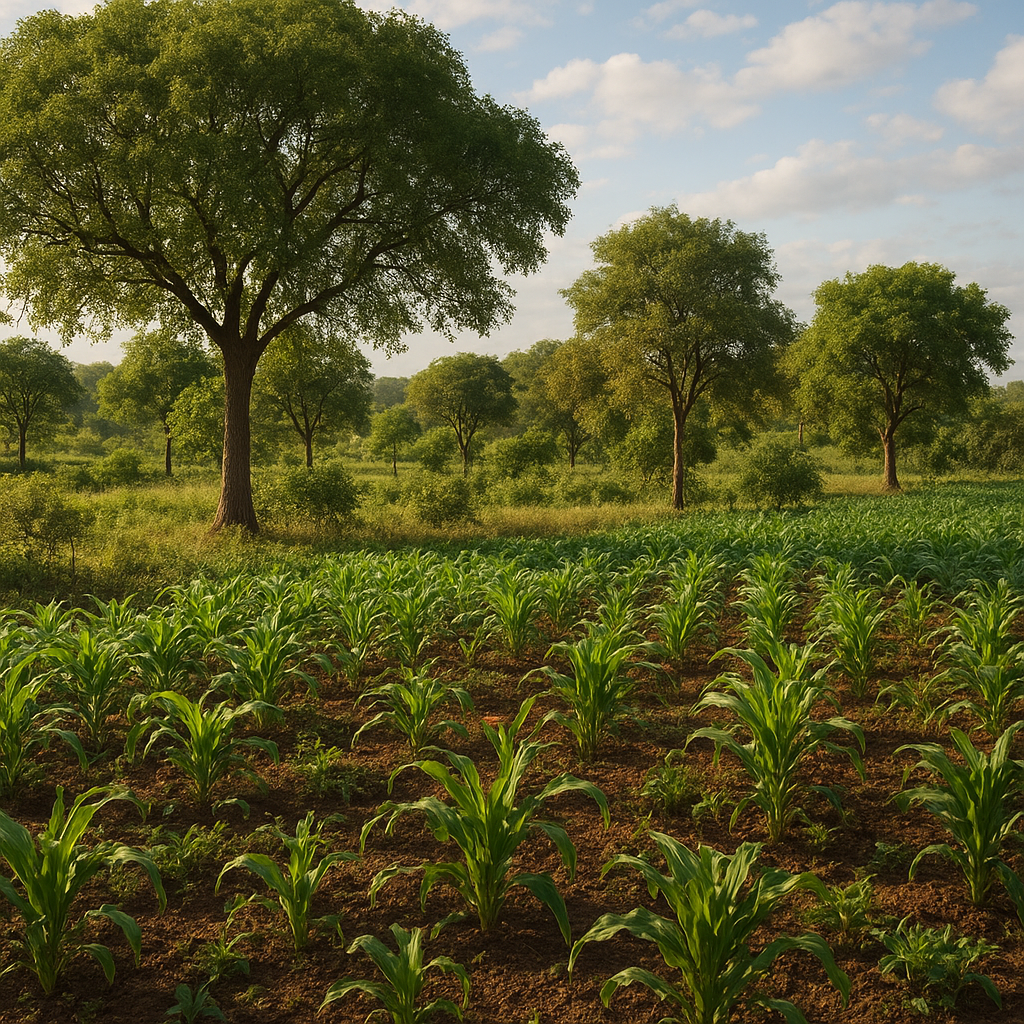
Incorporating trees, crops, and sometimes livestock into a single land-use system has proven to be one of the most effective strategies for long-term agricultural success. Agroforestry integrates diverse plant species and farming practices to create multifunctional landscapes that benefit both producers and the environment. By optimizing the interactions between woody perennials and annual crops, farmers can unlock a host of ecological and economic advantages while promoting sustainability and resilience in their operations.
Implementing Agroforestry Systems: Site Selection and Design
Choosing the right location and layout for an agroforestry project is crucial. Factors such as soil type, topography, rainfall patterns, and local climate will determine which tree and crop combinations thrive together. Thoughtful design ensures that roots, canopy structure, and nutrient requirements complement rather than compete with each other.
Assessing Site Conditions
- Soil Texture and Fertility: Sandy soils may need more organic amendments, while clay-heavy fields require careful water management.
- Water Availability: Identify areas with good drainage and consider rainfall distribution when planning tree species with higher water demands.
- Sunlight Exposure: Map zones of full sun, partial shade, and deep shade to match crops with their light requirements.
Design Principles for Success
- Alley Cropping: Plant rows of trees between strips of annual crops to maximize land use and facilitate mechanization.
- Silvopasture Layout: Combine deep-rooted trees or shrubs with forage species, creating shaded pastures that boost animal comfort and productivity.
- Windbreaks and Shelterbelts: Use fast-growing species at field margins to reduce wind speed, increase erosion control, and protect sensitive crops.
Enhancing Soil Health and Biodiversity
Agroforestry excels at improving below- and above-ground ecosystem functions. The presence of diverse root systems and continuous vegetative cover stimulates nutrient cycling and enhances the habitat for beneficial organisms. As a result, soils become richer, more stable, and less prone to degradation.
Building Fertility Naturally
Deep roots of trees access minerals beyond the reach of shallow-rooted crops, bringing vital nutrients to the surface. When leaves, prunings, and litter fall decompose, they replenish organic matter, which is the foundation of agroecosystems. Additionally, nitrogen-fixing trees can directly increase soil nitrogen levels, reducing dependence on synthetic fertilizers.
Promoting Biodiversity
- Habitat Creation: Diverse plant strata create niches for pollinators, earthworms, and predatory insects, supporting natural pest suppression and enhancing biodiversity.
- Mycorrhizal Networks: Symbiotic fungi associated with tree roots expand the effective root zone of neighboring crops, improving water and nutrient uptake.
- Water Regulation: Leaf litter and mulch reduce surface runoff, promoting infiltration and stabilizing groundwater recharge.
Capturing Carbon and Mitigating Climate Change
Through photosynthesis, woody biomass sequesters significant amounts of carbon in trunks, branches, and roots. Integrating trees into farmlands transforms them into carbon sinks, contributing to carbon sequestration goals and offering potential income streams via carbon credits.
Economic Advantages and Community Impact
Adopting agroforestry can provide immediate and long-term financial benefits. By diversifying outputs, farmers spread risk and enhance their economic resilience. When markets for timber, fruits, nuts, and fodder exist alongside staple crops, communities gain multiple revenue sources.
Income Diversification
- Timber and Fuelwood: Mature trees can be thinned or harvested selectively, generating periodic income without clearing entire stands.
- Edible Produce: Fruit and nut species offer fresh market or processing opportunities, often commanding higher prices than annual grains.
- Minor Forest Products: Resin, honey, medicinal herbs, and mushrooms can be harvested sustainably, adding niche-market value.
Strengthening Rural Livelihoods
Agroforestry systems create more stable employment by extending harvest periods and reducing off-farm labor needs. They also foster knowledge-sharing networks, as farmers discuss best practices, seed sourcing, and pest control strategies. This collaborative spirit enhances community well-being and food security.
Access to Ecosystem Services
- Water Quality Improvements: Buffer strips of trees filter sediments and agrochemicals before they reach waterways, safeguarding downstream users.
- Pest Management: Predatory birds and insects are attracted to wooded areas, reducing reliance on chemical pesticides.
- Landscape Resilience: Heterogeneous land cover buffers against extreme weather events, supporting consistent yields even under stress.
Crop Management Practices in Agroforestry
Effective management ensures that each component of an agroforestry system reaches its full potential. Proper maintenance, timing, and monitoring are essential for balancing tree growth with annual crop cycles.
Planting and Spacing Guidelines
- Optimal Distances: Maintain adequate spacing to prevent excessive shade on crops while allowing tree roots to co-exist without competition.
- Species Selection: Choose fast-growing pioneer species for early canopy establishment and slower-growing natives for long-term stability.
- Successional Planning: Design systems that evolve over time, replacing pioneer trees with commercially valuable timber or fruit species.
Pruning, Thinning, and Harvesting
Regular pruning controls canopy density, ensuring sufficient light penetration for understory crops. Thinning reduces competition for water and nutrients and provides biomass for mulching. Harvest timings must align with crop calendars to minimize disturbance.
Pest and Disease Management
- Integrated Pest Management (IPM): Monitor pest populations and encourage natural enemies by maintaining diverse refuges around production zones.
- Resistant Varieties: Select tree and crop cultivars known for disease tolerance in your region.
- Cultural Practices: Rotate intercrops, use cover crops, and apply mulches to suppress weeds and improve soil cover.
Innovations and Adaptive Strategies
Modern agroforestry integrates precision agriculture tools, remote sensing, and mobile apps to track growth parameters and optimize inputs. Data-driven decisions further enhance productivity while minimizing waste and environmental impact.
By weaving trees into agricultural landscapes, producers harness numerous environmental services and secure diversified streams of income. Embracing agroforestry principles ultimately fosters healthier soils, richer communities, and a more robust food system for generations to come.