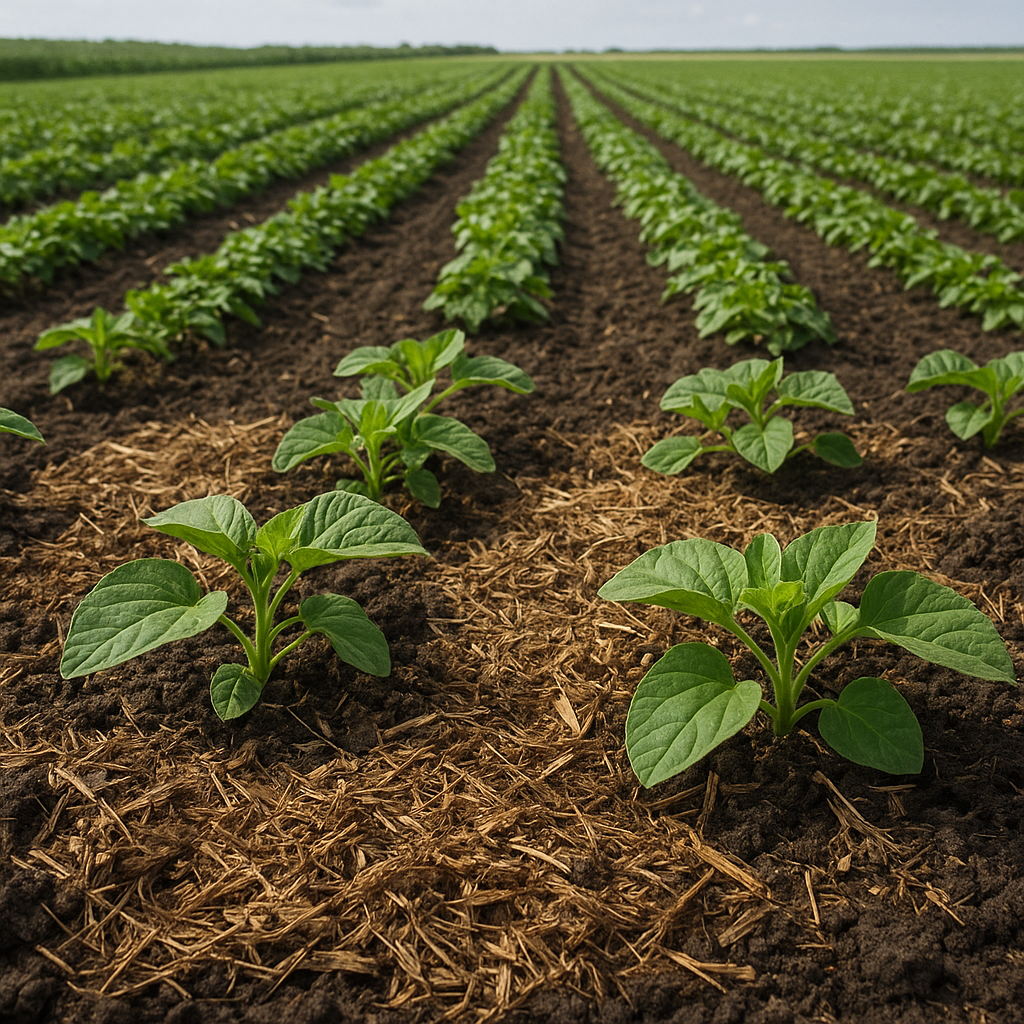
Implementing the right ground cover strategy can transform farm productivity and resource management. When applied correctly, mulch delivers a multitude of benefits, from improved soil structure to increased water retention. This guide explores practical agriculture tips, techniques, and considerations that help growers harness the full potential of mulch for robust crop performance.
Advantages for Soil Health and Moisture Retention
Applying a consistent layer of mulch creates a protective barrier over the soil surface. This barrier reduces direct evaporation, helping to maintain optimal moisture levels around plant roots. As water trickles through the mulch, it seeps into the ground at a controlled pace, preventing rapid runoff and ensuring your crops have steady access to the hydration they need.
In addition to moisture management, mulch positively influences soil structure. Organic materials—such as straw, wood chips, or grass clippings—gradually break down, enriching the topsoil with essential nutrients. Earthworms and beneficial microbes become more active, creating porous channels that improve aeration and root penetration. Over time, this leads to a more crumbly, loamy texture that supports vigorous plant growth.
Temperature Regulation
Fluctuations in temperature can stress young seedlings and reduce overall yield. A well-applied mulch layer acts as an insulator: it keeps the ground cooler during intense heat and warmer when night temperatures drop. This moderating effect extends the growing season by protecting delicate roots from extreme swings and encouraging earlier germination in spring.
Erosion Control
Heavy rains and winds can displace unprotected topsoil, leading to nutrient loss and uneven planting surfaces. Mulch significantly reduces surface erosion by dissipating rain impact, anchoring soil particles, and slowing water flow. This translates into less sediment runoff, which is critical for both field-level productivity and downstream water quality in nearby streams and rivers.
Weed Suppression and Pest Management
Weeds compete vigorously with crops for light, water, and nutrients. One of mulch’s most valued functions is its ability to block weed emergence. A dense, opaque layer physically obstructs weed seeds from receiving sunlight, greatly reducing germination rates. This lowers the time and labor required for mechanical cultivation or herbicide application, giving farmers more freedom to focus on other critical tasks.
Natural Pest Barrier
Certain mulch types—especially those derived from aromatic plants or recycled agricultural byproducts—can deter specific insect pests. For example, pine needles contain natural resins that repel unwanted insects, while straw mulches may host predatory beetles that feed on caterpillars. By strategically selecting mulch materials, growers can integrate an additional line of defense into their integrated pest management plan.
Moreover, maintaining a balanced microclimate around crops decreases stress-related vulnerabilities to diseases. Healthy, unstressed plants are less prone to fungal infections and bacterial outbreaks, further reducing the need for chemical treatments. This approach fosters long-term sustainability and aligns with organic farming principles.
Choosing the Appropriate Mulch Material
Not all mulches perform identically. To maximize benefits, it’s essential to match mulch type to your specific goals, soil conditions, and crop needs. Below is a brief comparison of common mulch categories:
- Organic Mulches: Straw, grass clippings, shredded leaves, compost. Excellent for nutrient enrichment and soil biology enhancement. They decompose rapidly and require regular replenishment.
- Wood-Based Mulches: Wood chips, bark mulch, sawdust. Ideal for perennial beds and orchard floors. They last longer than softer organics but may temporarily tie up nitrogen during decomposition.
- Inorganic Mulches: Landscape fabric, gravel, black plastic. Provide long-standing weed suppression with minimal decay. Best suited for pathways, greenhouse staging, or areas where nutrient contribution is not the primary goal.
- Living Mulches: Cover crops like clover or vetch grown between rows. These green manures fix nitrogen, build organic matter, and can be cut back to form a natural mulch layer.
Key selection criteria include availability, cost, decomposition rate, and potential allelopathic effects. For instance, freshly chipped wood may release compounds that temporarily inhibit nearby seed germination. Always conduct a small-scale trial to observe interactions before implementing a particular mulch across extensive acreage.
Proper Application and Maintenance Practices
To ensure maximum benefit, follow these step-by-step guidelines when applying mulch:
- Prepare the Site: Remove existing weeds and debris to create uniform contact between mulch and soil.
- Adjust Soil Moisture: Water the bed thoroughly before mulching, so plants are not left to dry out under a fresh layer.
- Layer Thickness: Apply 5–10 cm of organic mulch; 2–3 cm for plastic films or landscape fabric. Avoid smothering young seedlings by pulling the layer slightly away from stem bases.
- Edge Management: Keep mulch a few centimeters from tree trunks or plant stems to prevent rot and pest harborage.
- Replenish Regularly: Organic mulches break down and may compact over time. Top up with fresh material each season to maintain consistent coverage.
Integrating Irrigation Systems
Mulch and drip irrigation form a powerful duo. Installing drip lines beneath the mulch delivers water directly to root zones, reducing evaporation losses. This synergy allows precision watering schedules and minimizes foliar moisture, which can trigger disease outbreaks.
Monitoring and Adjustment
Regularly inspect mulched areas for signs of water pooling, pest activity, or mold. If fungal growth appears, thin the mulch or choose a coarser material. Adjust irrigation frequency as evaporation rates drop under heavy mulch layers. Continual observation and slight tweaks ensure the system operates at peak efficiency.
Environmental and Economic Benefits
Beyond immediate crop-level advantages, mulch contributes significantly to broader conservation and ecological goals. By reducing soil compaction, preventing erosion, and retaining moisture, it enhances groundwater recharge and sustains native biodiversity. Increased organic matter also promotes carbon sequestration, turning agricultural fields into valuable carbon sinks.
From an economic perspective, mulch can lower overall input costs. Reduced need for chemical fertilizers, herbicides, and excessive irrigation translates into direct savings. Labor expenses for weeding and soil preparation also decrease. Over multiple seasons, these savings often outweigh the initial expenditure on quality mulch materials.
- Lower Chemical Dependence: Less spending on synthetic inputs.
- Labor Efficiency: Fewer hours devoted to hand-weeding and soil maintenance.
- Enhanced Market Value: Crops produced under sustainable practices often command premium prices in eco-conscious markets.
Ultimately, adopting mulch-based strategies aligns agricultural operations with modern environmental standards. Farmers can achieve higher yield stability, healthier ecosystems, and stronger economic resilience. Embracing these practices is a key step toward long-term sustainability in contemporary farming.