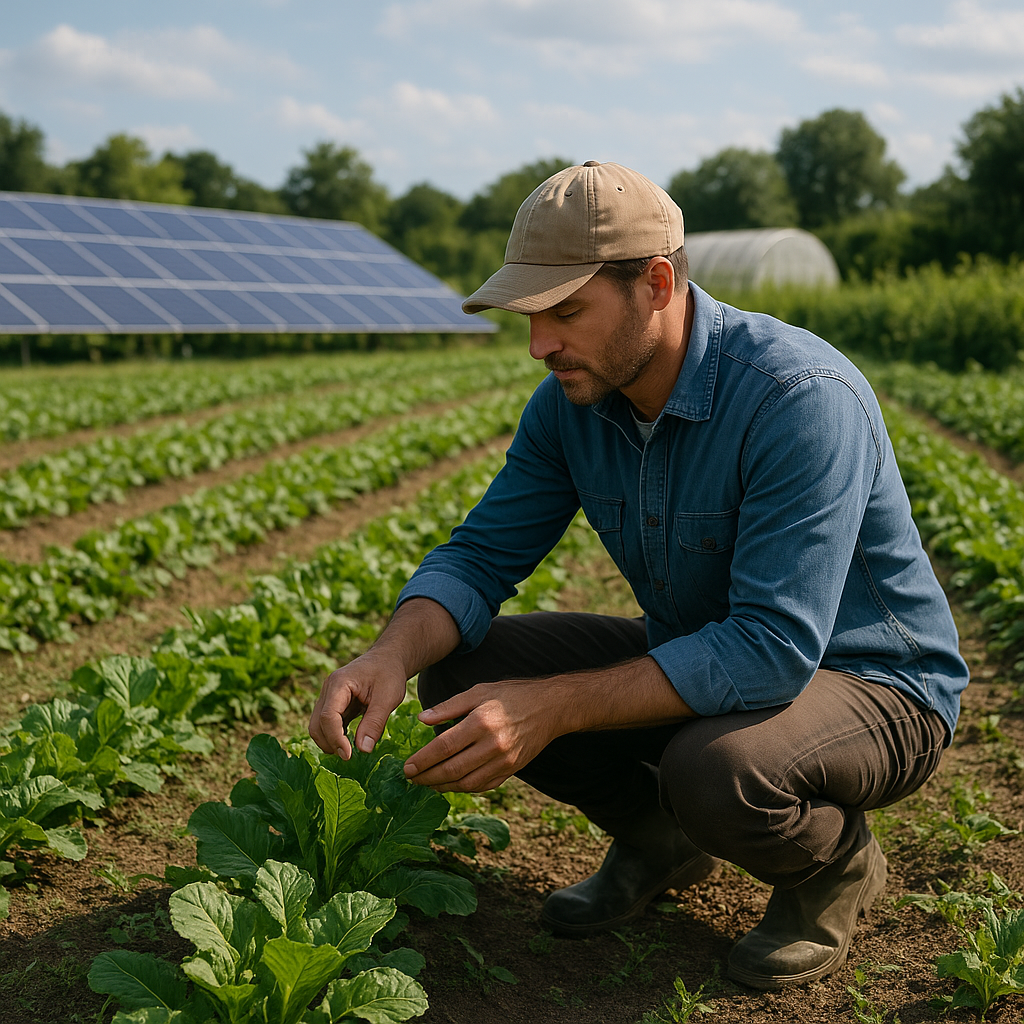
The pursuit of sustainable agriculture is more than a trend; it’s an essential response to global challenges such as climate change, soil degradation, and food security. By adopting eco-friendly techniques, farmers can simultaneously boost productivity and preserve the environment. This article explores practical methods—from enhancing soil fertility to implementing precise irrigation systems—designed to maximize yields while nurturing the land. Discover how strategies like composting, cover cropping, crop rotation, integrated pest management, and agroforestry contribute to resilient farming systems and long-term biodiversity.
Enhancing Soil Health Through Cover Cropping and Composting
Healthy soil is the backbone of any productive farm. It provides essential nutrients, retains moisture, and supports robust plant growth. Two cornerstone practices for maintaining and improving soil quality are cover cropping and composting.
Benefits of Cover Cropping
- Prevents erosion by shielding bare soil from rain impact.
- Improves soil structure with root networks that create pores for air and water movement.
- Suppresses weeds naturally, reducing reliance on chemical herbicides.
- Enhances nitrogen levels when legumes are used, cutting down on synthetic fertilizers.
Implementing Effective Cover Crop Strategies
To maximize benefits, choose cover crop species based on seasonal timing and soil needs. Winter peas and ryegrass are ideal for cooler climates, fixing nitrogen and protecting soil through frost. In warmer regions, sunn hemp or cowpea thrive, adding organic matter quickly.
The Role of Composting in Soil Fertility
Compost transforms agricultural waste into a nutrient-rich amendment. By breaking down crop residues, animal manure, and kitchen scraps, composting returns vital elements—nitrogen, phosphorus, potassium—and beneficial microorganisms to the earth.
- Layer green (nitrogen-rich) and brown (carbon-rich) materials for balanced decomposition.
- Maintain proper moisture and aeration; turn piles every 2–4 weeks.
- Monitor temperature: a healthy compost heap reaches 55–65°C, killing pathogens.
Regular incorporation of compost enhances water retention, reduces runoff, and fosters a thriving soil ecosystem that supports robust plant roots and higher yields.
Efficient Water Management and Irrigation Techniques
Water scarcity is a mounting concern for farmers worldwide. Adopting advanced irrigation practices and conservation measures can significantly cut water use without sacrificing productivity.
Drip and Micro-Sprinkler Systems
Drip irrigation delivers water directly to the root zone, minimizing evaporation and runoff. Micro-sprinklers offer targeted overhead watering ideal for orchards and vineyards.
- Install inline driplines under mulch to further reduce surface evaporation.
- Use pressure regulators and flow meters to ensure consistent delivery at low operating costs.
Rainwater Harvesting and Storage
Capturing rainwater from roofs, greenhouse surfaces, and field runoff provides an extra supply during dry spells. Employ storage tanks, ponds, or underground cisterns. A well-designed system can cut municipal water dependency by up to 50%.
Precision Scheduling and Soil Moisture Monitoring
Tools like tensiometers, capacitance probes, and satellite-based sensing allow farmers to irrigate only when soil moisture dips below crop-specific thresholds. This practice optimizes plant growth and maximizes water-use efficiency.
Implementing Crop Rotation and Integrated Pest Management
Long-term productivity depends on breaking pest cycles and maintaining soil balance. Integrating crop rotation with integrated pest management (IPM) supports both goals.
Designing an Effective Crop Rotation Plan
- Alternate families: Follow heavy feeders (corn, tomatoes) with nitrogen-fixing legumes (beans, peas).
- Include deep-rooted species to break up compacted layers and recycle nutrients.
- Rotate supplements: Integrate brassicas or grain cereals to target specific soil-borne pathogens.
Principles of Integrated Pest Management
IPM focuses on ecological methods to manage insects, weeds, and diseases, reducing chemical inputs:
- Regular scouting and monitoring to identify pest thresholds early.
- Biological controls: Introduce predatory insects, nematodes, or microbial agents.
- Cultural tactics: Adjust planting dates, row spacing, and staking to reduce pest habitat.
- Selective use of low-toxicity pesticides only when damage exceeds economic thresholds.
This holistic approach preserves beneficial organisms, mitigates resistance buildup, and aligns with contemporary environmental standards.
Embracing Biodiversity with Agroforestry and Polyculture Systems
Integrating trees, shrubs, and multiple crop species enhances biodiversity while offering economic diversification. Agroforestry practices—from alley cropping to silvopasture—create multifunctional landscapes.
Alley Cropping and Silvopasture
- Alley Cropping: Plant rows of trees or shrubs between wide alleys of annual crops. Trees improve microclimate, reduce wind erosion, and provide high-value timber or fruit.
- Silvopasture: Combine forage, livestock, and trees. Shade improves animal welfare, while manure contributes to soil fertility beneath the canopy.
Polyculture for Ecological Balance
Growing diverse species in the same area mimics natural ecosystems, offering several benefits:
- Pest suppression through habitat diversification—predators thrive alongside their prey.
- Continuous ground cover reduces nutrient leaching and water loss.
- Multiple harvest streams stabilize income and buffer market fluctuations.
Successful polyculture depends on careful species selection and spatial arrangement, ensuring compatibility in light, nutrient, and water requirements.
Building Long-Term Resilience and Profitability
Adopting the practices described above fosters farm resilience against environmental and market shocks. By prioritizing soil health, efficient resource use, and ecological diversity, farmers can achieve higher yields, reduced input costs, and improved ecosystem services.
Key Takeaways:
- Integrate cover crops and compost to boost soil fertility and organic matter.
- Employ precision irrigation and water harvesting to optimize water use.
- Rotate crops and implement IPM to manage pests sustainably.
- Adopt agroforestry and polyculture for diversified production and enhanced biodiversity.
Embracing these strategies paves the way toward a more productive, environmentally conscious, and economically viable agricultural future.