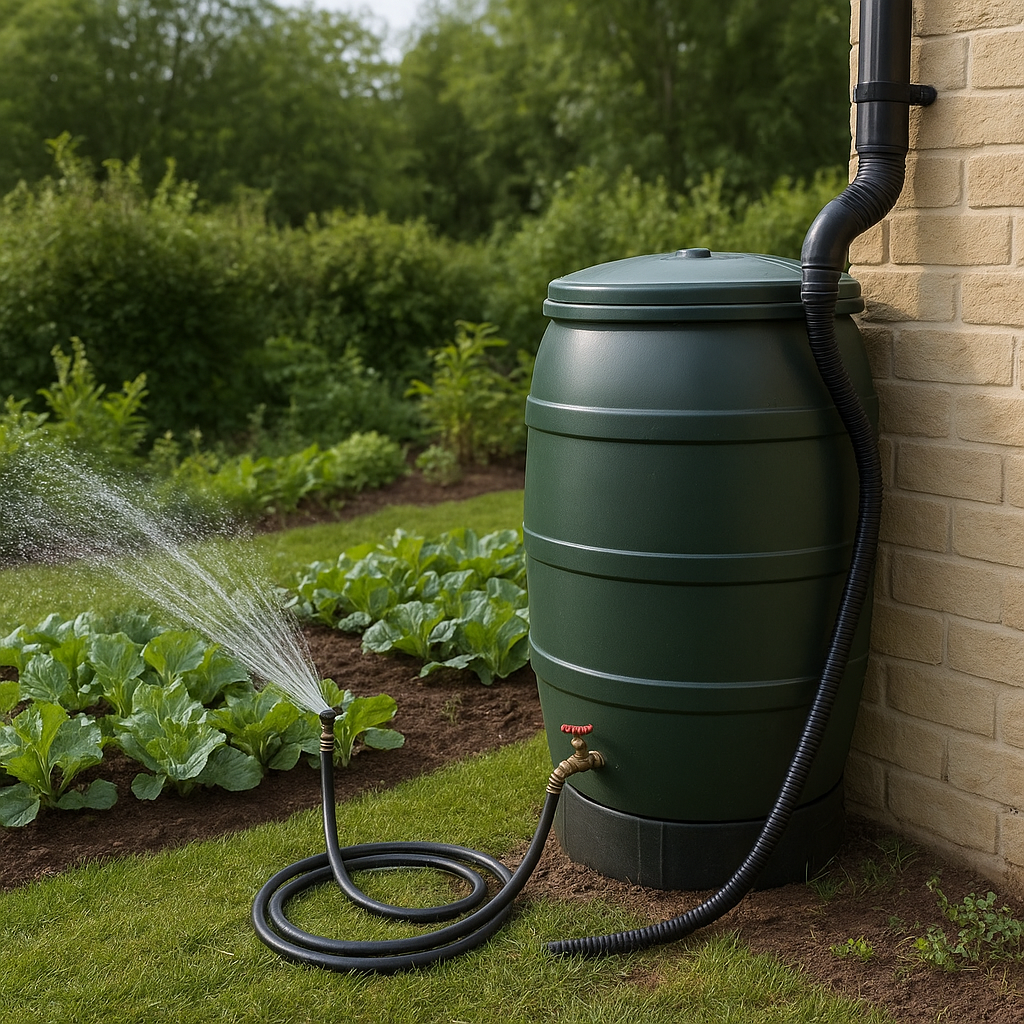
Rainwater harvesting presents a transformative opportunity for growers and gardeners seeking to enhance their water management strategies. By capturing runoff from rooftops and surfaces, you can conserve precious resources, reduce reliance on external supplies, and improve the overall health of your crops. This guide explores key techniques and considerations for integrating a rainwater collection system into your irrigation plan.
Understanding Rainwater Harvesting Principles
Effective rainwater harvesting begins with a solid grasp of its core components: the catchment area, conveyance system, and storage facility. Each element plays a vital role in ensuring **efficiency** and reliability.
Catchment Area Selection
The catchment area, typically a roof or paved surface, is where rainwater is initially collected. Materials may include metal panels, asphalt shingles, or tile, each with unique runoff characteristics. Choosing a surface with minimal debris accumulation will boost water quality and reduce maintenance demands.
- Metal roofs provide clean runoff but can be hot and require first-flush systems to divert initial contaminants.
- Asphalt shingles are widespread but may leach organic compounds; incorporating a filtration stage is recommended.
- Concrete and tile surfaces offer durability yet demand frequent cleaning to prevent algae and sediment buildup.
Conveyance Systems
Gutters, downspouts, and pipes channel water from the catchment area to storage tanks. Proper design minimizes overflow and spillage, ensuring every drop is effectively captured. Utilize leaf screens and debris guards to maintain optimal flow.
Storage Solutions
Storage capacity should align with local rainfall patterns and irrigation needs. Options range from aboveground barrels to large underground cisterns. Consider materials such as polyethylene, fiberglass, or reinforced concrete, each offering distinct advantages in durability and cost.
Designing an Efficient System for Irrigation
Once the basic principles are understood, the focus shifts to tailoring the system for agricultural applications. Careful planning can maximize both water **savings** and crop yield.
Sizing Tanks and Cisterns
Calculate the ideal storage volume by analyzing average monthly rainfall and expected irrigation demands. A simple formula multiplies roof area by rainfall depth to estimate potential harvest, then adjusts for system losses:
- Roof area (m²) x annual rainfall (mm) x collection efficiency (usually 0.8) = total harvestable volume (L).
- Match storage to seasonal needs, ensuring sufficient reserves during dry spells.
Filtration and First-Flush Diverters
Maintaining high water quality is crucial, especially for sensitive crops. Installing a multi-stage filtration setup, including mesh filters and sand or charcoal media, removes particulate matter and dissolved organics. A first-flush diverter redirects the initial runoff—often laden with dust and contaminants—away from the main storage tank.
Pumping and Distribution
Efficient distribution relies on pumps and piping networks that deliver water directly to plant roots. Drip irrigation systems are particularly effective when paired with harvested rainwater, as they minimize evaporation and ensure uniform moisture. Incorporate pressure regulators and flow meters to monitor performance and prevent water waste.
Operating and Maintaining Your Harvesting Setup
Routine maintenance is essential to sustain system **durability** and performance. Establishing a proactive schedule for cleaning and inspection will avert common issues such as clogging, contamination, and structural wear.
Gutter and Roof Cleaning
Remove leaves, twigs, and sediment from gutters and roof surfaces at least twice a year. This simple task enhances water quality and reduces strain on filters and pumps.
Tank Inspection and Cleaning
Inspect storage tanks for cracks, algae growth, and sediment accumulation. Drain and scrub tanks annually, checking seals and inlets for integrity. Adding a layer of **chlorine** or safe algaecide can inhibit biological growth without harming plants.
Filter and Diverter Maintenance
Replace or clean filter media regularly, following manufacturer guidelines. First-flush diverters should be emptied after each rainfall event to remain effective.
Pump and Pipe Upkeep
Examine pump impellers, seals, and electrical connections periodically. Flush pipelines to remove sediment and inspect for leaks, repairing any damaged sections promptly to sustain system **reliability**.
Maximizing Benefits and Overcoming Challenges
While rainwater harvesting offers numerous advantages, successful implementation demands attention to local conditions and potential **challenges** such as seasonal variability and regulatory requirements.
- Drought resilience: By storing water during wet periods, farmers can mitigate the impact of dry spells and stabilize yields.
- Cost savings: Reduced dependence on municipal or groundwater sources lowers utility bills and energy consumption.
- Environmental impact: Harvesting minimizes stormwater runoff, decreasing erosion and nutrient leaching into waterways.
- Legal considerations: Regulations governing rainwater use vary by region; consult local authorities to ensure compliance.
- System scaling: Small-scale setups suit home gardens, while commercial operations may require custom-engineered solutions and professional installation.
By integrating these strategies and embracing routine upkeep, agricultural practitioners can harness the full potential of rainwater harvesting. This sustainable approach not only conserves water but also promotes healthier crops and greater economic resilience.