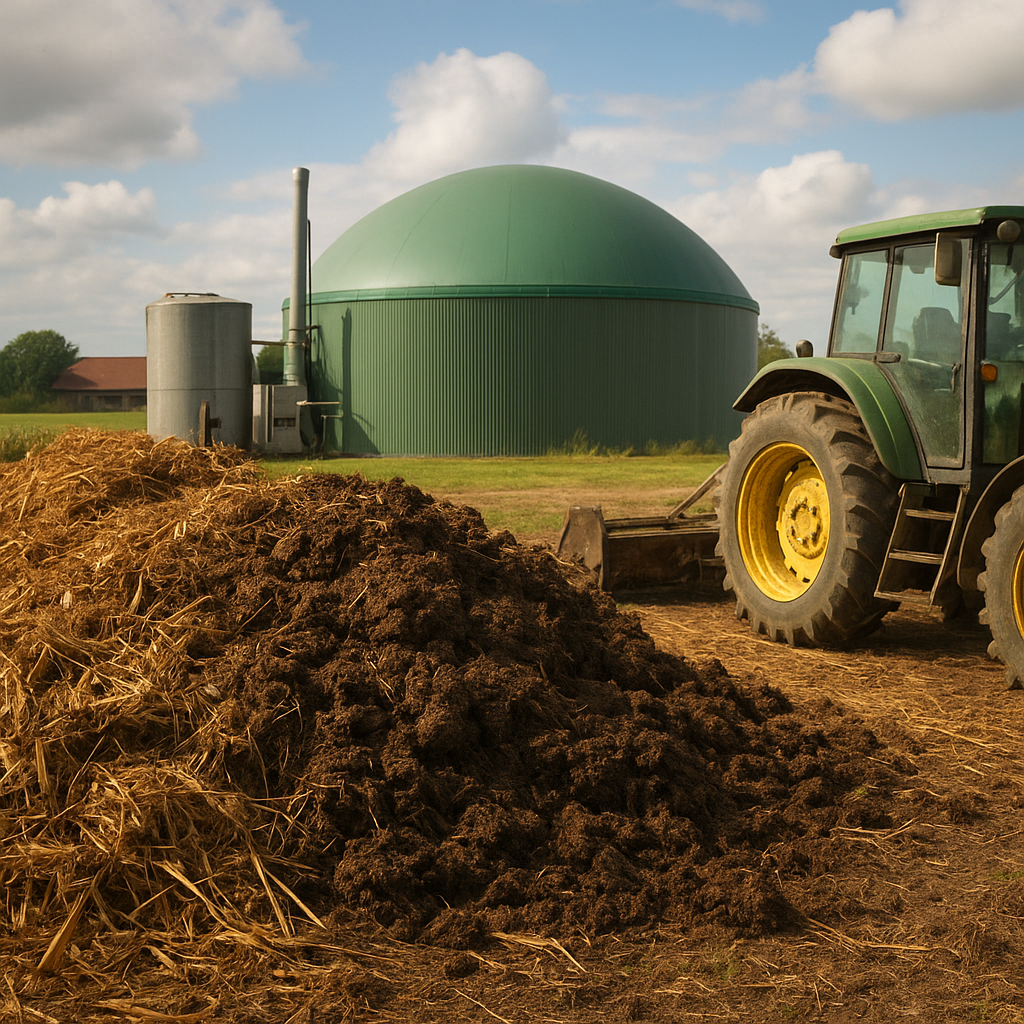
Modern farmers face mounting pressure to manage byproducts effectively while minimizing environmental impact. Converting agricultural residues into clean, renewable energy offers an opportunity to reduce waste, lower operational costs, and create new income streams. This article explores practical methods to harness farm waste for power generation, providing actionable guidance for growers and agribusinesses seeking greener, more profitable practices.
Understanding Farm Waste as an Energy Resource
Farm waste encompasses a variety of materials left over from planting, harvesting, and animal husbandry. Properly identifying and categorizing these residues is the first step toward energy recovery. Common types include:
- Crop residues such as straw, stalks, leaves, and husks
- Animal manures from dairy, poultry, and swine operations
- Processing byproducts like fruit skins, vegetable trimmings, and nut shells
- Greenhouse clippings and garden trimmings from horticultural facilities
Any organic matter containing carbon and hydrogen can serve as potential feedstock. The key characteristics influencing conversion efficiency are moisture content, carbon-to-nitrogen ratio, and calorific value. High-moisture materials suit bio-digestion systems, while dry residues often perform better in combustion or gasification units.
Feedstock Quality and Preparation
Uniform feedstock quality ensures predictable output. Steps to optimize preparation include:
- Shredding or grinding bulky residues to increase surface area
- Blending diverse materials to balance nutrient ratios
- Drying high-moisture wastes to meet combustion specifications
- Contaminant removal to prevent equipment fouling
Investing in proper handling equipment may raise initial costs but enhances overall efficiency and system longevity.
Technologies for Converting Waste into Energy
Several proven technologies enable the transformation of farm waste into heat, power, or fuel. Selecting the right process depends on scale, feedstock type, and desired outputs.
Anaerobic Digestion and Biogas Production
Anaerobic digestion involves microbial breakdown of organic matter in an oxygen-free environment. The process yields a mixture of gases—predominantly methane—called biogas, along with nutrient-rich digestate for soil application.
- Biogas can fuel combined heat and power (CHP) units to produce on-site electricity and heat.
- Digestate separation yields liquid fertilizer and solid soil amendments.
- Modular digester designs allow easy scaling from small farms to large agri-industrial sites.
Digester performance depends on temperature control, retention time, and proper mixing. Typical payback periods range from 5 to 10 years, often accelerated by government incentives.
Thermal Conversion: Combustion, Gasification, and Pyrolysis
For drier residues, thermal routes offer rapid energy recovery:
- Combustion directly burns biomass to generate steam for turbines or heat for drying processes.
- Gasification breaks down organic material at high temperature with limited oxygen, producing syngas—a mixture of carbon monoxide, hydrogen, and methane—suitable for engines or chemical synthesis.
- Pyrolysis heats biomass in the absence of oxygen, creating bio-oil, char, and gases, each with separate market applications.
Advanced controls and emissions scrubbers help meet air quality standards, making these technologies increasingly viable for integrated farm energy systems.
Composting with Energy Recovery
Composting remains a low-tech, cost-effective way to transform agriculture residues into valuable soil amendments. Recent innovations capture the heat generated during the aerobic decomposition process:
- Insulated compost reactors channel warmth into water heating or space heating systems.
- Enclosed tunnels accelerate decomposition times and enable biogas collection.
- Combining composting with anaerobic zones maximizes energy potential from mixed waste streams.
Implementation Strategies and Considerations
Moving from concept to operational system requires careful planning across technical, financial, and regulatory domains.
Site Assessment and System Sizing
Begin with a comprehensive audit of daily waste volumes, composition, and seasonal variations. Align system capacity with:
- Maximum feedstock availability
- Projected energy demands for heating, cooling, and power
- Storage requirements for feedstock and byproducts
Oversized systems can remain underutilized, while undersized units risk bottlenecks during peak production periods.
Economic Analysis and Funding Options
An accurate budget considers capital costs, operating expenses, and potential revenue streams:
- Sale of excess electricity or renewable energy credits
- Reduced fuel purchases and lower waste disposal fees
- Income from selling digestate or biochar as soil enhancers
- Grants, low-interest loans, and tax incentives aimed at renewable energy projects
Detailed projections of return on investment boost lender confidence. Incorporating contingencies for feedstock price fluctuations and maintenance helps maintain financial stability.
Regulatory Compliance and Safety
Energy-from-waste installations must adhere to local and national standards governing air emissions, waste handling, and worker safety. Key steps include:
- Securing environmental permits for emissions and effluent
- Implementing spill containment and odor management plans
- Training staff on emergency response procedures
Partnering with experienced equipment suppliers and consultants can streamline the approval process and guarantee adherence to best practices.
Case Studies and Success Stories
Real-world examples illustrate how farm waste energy projects deliver environmental and economic benefits.
Midwestern Dairy Biogas Facility
A 500-cow dairy operation installed a 250 kW CHP system fueled by manure digesters. Key outcomes:
- Annual generation of 2 million kWh, meeting over 60% of on-site electricity needs
- Sale of surplus power to the grid, creating an additional revenue stream
- Elimination of lagoon odors and improved nutrient management through digestate application
Mixed-Crop Farm Gasification Project
An 800-acre grain farm deployed a gasifier to convert corn stover and wheat straw into syngas. Highlights:
- Heating greenhouses and grain dryers, cutting propane costs by 45%
- Generation of biochar used to enhance soil carbon content and water retention
- Annual fuel savings exceeding $50,000
Community-Based Compost Heat Network
A cooperative of vegetable growers built a shared compost reactor facility. Innovations included:
- Heat recovery loops supplying hot water to adjacent packing sheds
- Reduction of municipal waste tipping fees through on-site processing
- Collective investments that lowered individual capital requirements
By pooling resources, the growers achieved economies of scale previously unattainable for smallholders.
Embracing farm waste as an energy resource transforms environmental liability into a strategic asset. From anaerobic digesters to advanced thermal conversion units, a diverse toolbox of technologies empowers farmers to produce clean power, enhance soil health, and strengthen their bottom line. Building robust systems hinges on thorough planning, sound economic analysis, and strict adherence to safety and environmental regulations. With careful implementation, agriculture can lead the transition to a sustainable energy future.