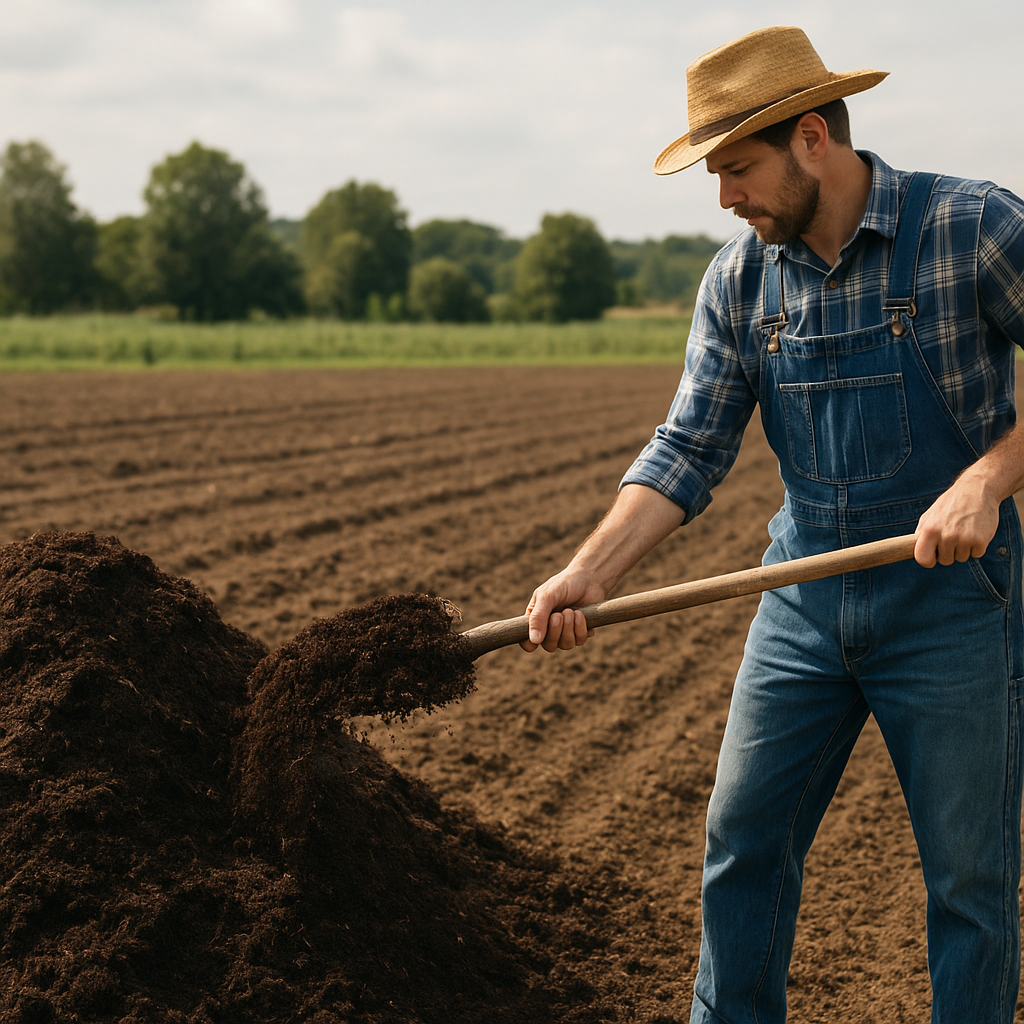
Compost is a cornerstone of sustainable agriculture, offering a cost-effective way to enrich soil, boost crop yields, and promote long-term farm vitality. By transforming organic waste into nutrient-dense matter, farmers can improve **soil structure**, enhance moisture retention, and foster a thriving **microbial** community. In this article, we explore the principles and practices needed to harness the full potential of compost on your farm.
Understanding Compost Fundamentals
Before diving into application methods, it’s essential to grasp what makes compost such a **valuable** resource. Composting is the controlled **decomposition** of organic materials—crop residues, livestock manure, plant trimmings, and food scraps—into a stable, humus-rich product. This process relies on a balanced interplay of **carbon**, nitrogen, moisture, oxygen, and microorganisms.
The Carbon-to-Nitrogen Ratio
A balanced C:N ratio, ideally between 25:1 and 30:1, ensures efficient breakdown. Materials high in carbon (“browns”) include straw, wood chips, and dry leaves. Nitrogen-rich (“greens”) inputs comprise grass clippings, fresh manure, and kitchen waste. Incorrect ratios can stall decomposition, leading to odor issues or nutrient losses.
Moisture and Aeration
Compost piles need to maintain 40–60% moisture. Too dry, and microbial activity slows; too wet, and anaerobic conditions create foul smells. Regular turning promotes **aeration**, distributing oxygen evenly and preventing compaction. Use a pitchfork or compost turner every 1–2 weeks for best results.
Microbial Activity
Beneficial bacteria and fungi drive composting. Thermophilic microbes thrive at temperatures above 130°F (54°C), speeding **decomposition** and sanitizing pathogens. As piles cool, mesophilic organisms finish the breakdown. Adding a handful of mature compost or soil jump-starts microbial populations.
Preparing and Applying Compost
With fully cured compost in hand, the next step is application. Proper timing, rates, and methods maximize nutrient availability while preserving soil health.
Pre-Plant Incorporation
Incorporate compost into seedbeds 2–4 weeks before planting. This allows nitrogen to become plant-available and avoids seedling burn. Typical rates range from 2 to 5 tons per acre for cured compost—adjust based on soil tests and crop needs.
- Spread compost evenly using a manure spreader or shovel.
- Incorporate 4–6 inches deep with tillage equipment.
- Level the field to ensure uniform seed placement.
Side-Dressing and Top-Dressing
For row crops and vegetables, side-dressing applies compost adjacent to growing plants, supplying a steady nutrient stream. Top-dressing on turf or cover crops adds **organic** matter without disturbing root systems.
- Side-dress with 0.5–1 ton per acre beside rows after emergence.
- Top-dress with 1–3 tons per acre on established swards or cover crops.
- Rake or lightly incorporate to improve soil contact.
Compost Tea and Extracts
Liquid extracts bring soluble nutrients and beneficial microbes directly to foliage and roots. Brew compost tea by aerating a compost-water slurry for 24–48 hours. Apply at a dilution rate of 1:10 for foliar sprays and 1:5 for soil drenches.
Maximizing Compost Benefits for Soil Health
Compost enhances soil performance in multiple ways. Understanding these effects helps farm managers refine practices and achieve consistent gains.
Improving Soil Structure and Porosity
Organic matter from compost binds soil particles into aggregates, improving **soil structure**. Enhanced aggregation boosts water infiltration, reduces erosion, and supports robust root growth. Sandy soils benefit from greater moisture retention, while heavy clays gain improved drainage and friability.
Enhancing Nutrient Cycling
Compost delivers macro- and micronutrients, including phosphorus, potassium, calcium, magnesium, zinc, and copper. Beyond direct nutrient supply, compost stimulates microbial processes that mineralize nutrients, making them available over an extended period. This slow-release effect reduces leaching and the need for synthetic fertilizers.
Suppressing Disease and Pests
Well-matured compost can suppress soilborne pathogens through competition, antibiosis, and induced plant resistance. Regular applications build a resilient soil food web that discourages root diseases and nematode outbreaks, minimizing chemical inputs and promoting plant health.
Troubleshooting Common Compost Issues
Even seasoned farmers encounter challenges. Recognizing and correcting problems ensures consistent, high-quality compost for your fields.
Foul Odors
Rotten or ammonia smells indicate anaerobic pockets or excessive nitrogen. Remedy by turning the pile, adding carbon-rich materials, and adjusting moisture to below 60%. Maintain regular aeration to keep odors at bay.
Incomplete Decomposition
If materials remain recognizable after weeks, the pile may be too small, too dry, or lacking nitrogen. Increase pile size to at least 1m³, boost moisture, and introduce nitrogen sources like alfalfa meal or fresh green waste to reinvigorate microbial activity.
Nutrient Imbalances
Excessive compost rates can lead to salt or nutrient overload, harming seedlings. Always conduct soil tests prior to application and apply compost based on crop requirements. Blend compost with other amendments, such as lime or gypsum, to correct pH and salinity issues.
Integrating Compost into a Holistic Farm System
Compost is most powerful when integrated into a broader strategy of **sustainability** and resource efficiency. Pair compost use with cover cropping, crop rotation, and precision irrigation to unlock synergies that elevate overall farm performance.
- Rotate legumes to fix atmospheric nitrogen naturally.
- Use cover crops to scavenge nutrients and prevent erosion during fallow periods.
- Implement no-till or reduced-till practices to preserve soil structure and carbon stocks.
- Monitor soil health with regular tests, adapting compost rates and planting strategies accordingly.
By mastering compost fundamentals, refining application techniques, and troubleshooting effectively, you can turn organic waste into a powerful ally for soil fertility, plant health, and long-term farm **prosperity**.