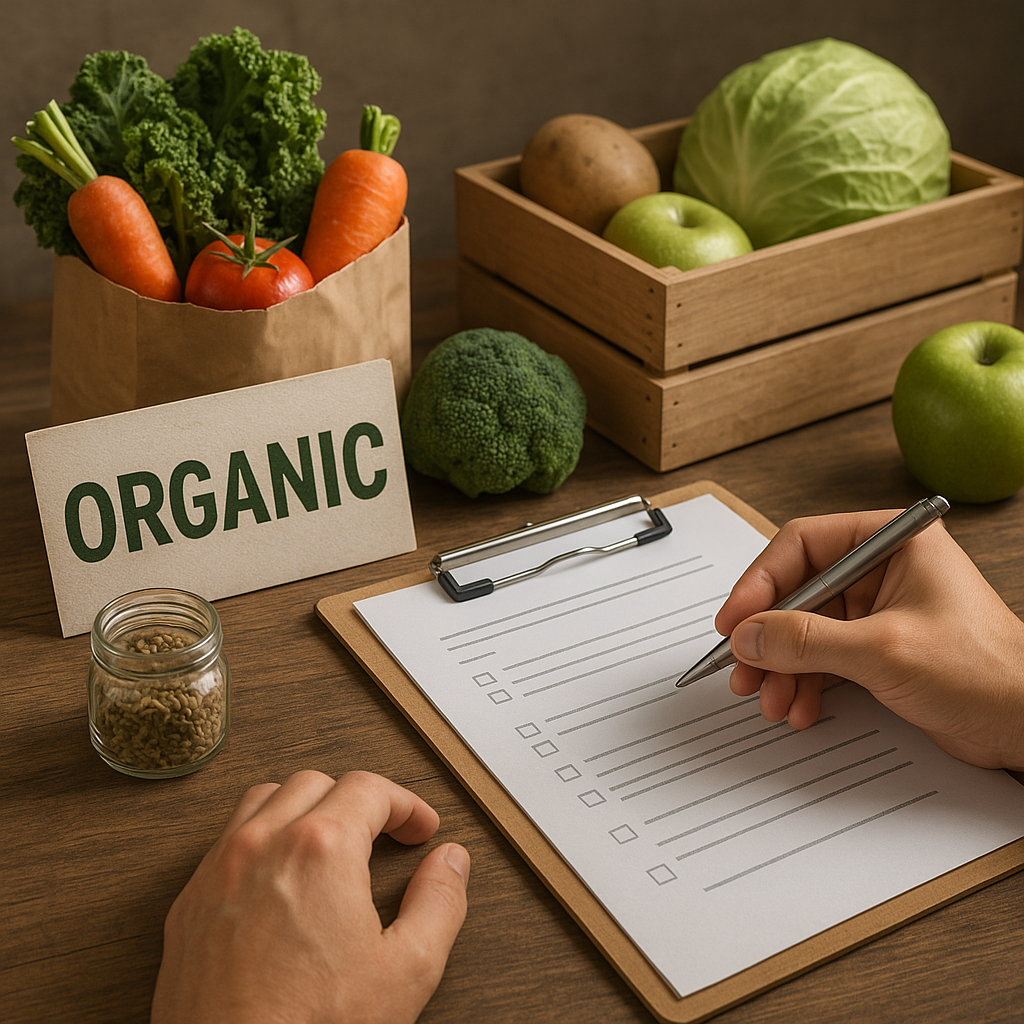
Embarking on the journey toward organic certification can transform a conventional farm into a beacon of sustainable agriculture. This process not only elevates the market value of your produce but also fosters healthier soils, cleaner water, and a thriving ecosystem. By following a structured pathway, you can navigate regulatory requirements, implement best practices, and confidently display the coveted organic label.
Understanding Organic Certification Basics
Before diving into the paperwork, it’s crucial to grasp the standards that govern certified organic products. These guidelines are set by national and international bodies to ensure that crops and livestock are produced using methods that support sustainability and environmental stewardship.
1. Definition and Scope
- Certified organic farms must avoid synthetic pesticides, herbicides, and fertilizers.
- Genetically modified organisms (GMOs) are strictly prohibited in all aspects of production.
- Animal welfare and rotational grazing practices are emphasized for livestock operations.
2. Key Regulatory Agencies
- United States Department of Agriculture (USDA) National Organic Program (NOP)
- European Union Organic Certification (EU Reg. 2018/848)
- Various third-party certifiers such as Quality Assurance International (QAI) or Ecocert
Understanding the role of these agencies helps you select the right certifier and align your farm with compliance requirements.
Preparing Your Farm for Certification
Transitioning to organic methods requires careful planning and documentation. You will need to demonstrate a conversion period—typically three years—during which you eliminate prohibited substances and establish alternative management strategies.
1. Soil Fertility Management
Building and maintaining soil fertility is the cornerstone of organic production. Use practices such as:
- Crop rotations to disrupt pest and disease cycles.
- Cover cropping with legumes to fix nitrogen naturally.
- Green manures and compost applications to boost organic matter.
2. Pest and Weed Control
Organic farms rely on an integrated approach rather than chemical control. Tactics include:
- Mechanical weeding and flame cultivation.
- Biological controls like beneficial insects and nematodes.
- Physical barriers such as row covers and mulches.
3. Record-Keeping and Documentation
Meticulous records demonstrate that you’ve adhered to organic protocols. Maintain logs for:
- Inputs used—seeds, amendments, and pest controls.
- Field maps detailing crop history and buffer zones.
- Equipment cleaning procedures to avoid cross-contamination.
The Application and Inspection Process
Once your farm operations align with organic principles, it’s time to submit paperwork and schedule an inspection. This phase can be intensive, but thorough preparation ensures a smooth experience.
1. Choosing a Certifier
- Research accredited certifying agents recognized by your region’s authority.
- Compare service fees, turnaround times, and customer support.
- Verify that the certifier covers your specific commodities (produce, grains, livestock).
2. Completing the Organic System Plan (OSP)
The OSP is the heart of your application. It should outline:
- Descriptions of farm history and current status.
- Detailed production practices and input lists.
- Management of potential sources of contamination (e.g., neighboring non-organic fields).
3. Scheduling and Facilitating the On-Site Inspection
An inspector will visit your farm to verify that the OSP reflects actual practices. Be prepared to:
- Provide all records, field maps, and invoices.
- Show examples of crop rotation plans and compost piles.
- Explain buffer zones and drift prevention measures.
4. Responding to Non-Compliance Reports
If the inspector notes any deficiencies, you’ll receive a list of corrective actions. Address these promptly to secure final approval. Typical corrective steps involve updating maps, refining record-keeping practices, or altering buffer protocols to meet ecosystem protection standards.
Maintaining Your Organic Certification
Certification is not a one-time event but an ongoing commitment. Annual renewal and periodic inspections ensure continuous adherence to organic rules.
1. Annual Updates and Renewals
Each year, you’ll resubmit your OSP with any changes in production practices, acreage, or inputs. Early preparation helps avoid last-minute rushes and potential lapses in certification status.
2. Continuous Improvement Strategies
Top organic producers strive for innovation by:
- Testing new sustainable methods like biochar incorporation.
- Participating in research programs or cooperative extension trials.
- Networking with other certified farmers to share insights.
3. Preparing for Random Audits
Occasionally, certifiers conduct unannounced spot checks. Maintain up-to-date records and keep your farm in an inspection-ready state year-round to avoid disruptions.
Undertaking the organic certification process demands diligence, transparency, and a genuine commitment to regenerative agriculture. By embracing these guidelines and capitalizing on the benefits of organic production, you position your operation for long-term success and contribute to a healthier planet.