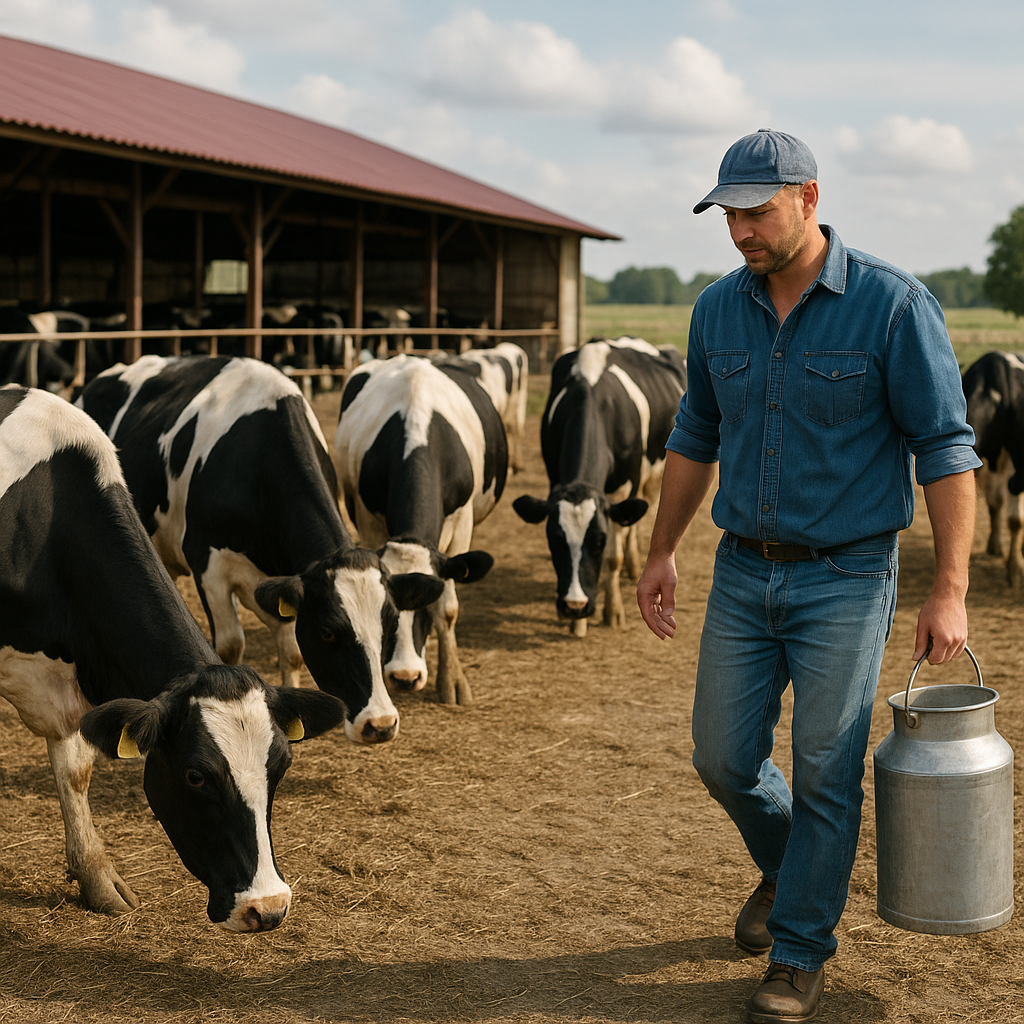
Starting a small dairy farm can be a rewarding venture for those passionate about animal husbandry and sustainable agriculture. By integrating sound management principles, a well-thought-out infrastructure, and a commitment to quality, you can set the foundation for a thriving operation. This guide will walk you through essential steps—from initial planning to marketing your milk—so you can confidently embark on your dairy farming journey.
Planning and Preparation
Before acquiring your first animal, it is crucial to create a comprehensive plan that outlines your goals, resources, and potential challenges. A detailed business plan should include:
- Initial investment estimates for infrastructure, equipment, and livestock.
- Projected operating costs such as feed, veterinary care, and labor.
- Projected revenue streams, including raw milk sales, cheese production, or agritourism.
- Regulatory requirements, including milk safety standards, zoning laws, and waste management permits.
Understanding local regulations and milk pricing structures will help you adapt quickly and minimize risks. Seek advice from extension services or successful dairy farmers in your region to refine your strategy.
Selecting Breeds and Herd Management
The choice of breed impacts your farm’s productivity, herd temperament, and overall profitability. Some popular dairy breeds include:
- Holstein: Known for high milk yield and efficient feed conversion.
- Jersey: Offers rich milk with high butterfat content suitable for cheese and butter production.
- Ayrshire: Hardy and disease-resistant, ideal for pasture-based systems.
When purchasing your initial herd, inspect each animal thoroughly. Evaluate body condition, udder health, and temperament. A sound herd management plan should address:
- Calving schedules to maintain year-round production.
- Record-keeping for breeding, health treatments, and milk yield.
- Artificial insemination or natural breeding programs.
Implement a rotational grazing system and consider pasture improvement techniques—such as overseeding and soil testing—to maximize forage availability and quality.
Infrastructure and Equipment Setup
Establishing the right facilities ensures cow comfort and operational efficiency. Key considerations include:
- Barn design with proper ventilation and natural light to support cow welfare.
- Comfortable bedding areas using sand, straw, or mattresses to reduce mastitis incidence.
- Milking parlor layout that minimizes animal stress and maximizes throughput.
- Feed storage facilities that protect against spoilage and pests.
Investing in reliable equipment such as vacuum pumps, milk coolers, and automated feeders will streamline daily tasks. Ensure all machinery is installed according to manufacturer guidelines and local safety regulations.
Nutrition and Feeding Strategies
Proper nutrition is the cornerstone of milk production. Formulate diets that balance energy, protein, vitamins, and minerals to meet the needs of each lactation stage. Components of an effective feeding program include:
- High-quality forages like alfalfa, clover, and mixed grasses.
- Concentrates such as corn silage, soybean meal, and mineral mixes.
- Fresh, clean water available at all times.
Regularly analyze feed samples to adjust rations as needed and prevent nutrient imbalances. Use feed additives—under veterinary guidance—to support rumen health and boost milk yield.
Health Management and Biosecurity
Maintaining herd health is essential to prevent disease outbreaks and ensure consistent production. Develop a biosecurity plan that includes:
- Quarantine procedures for new or returning animals.
- Routine vaccination schedules for common diseases like bovine viral diarrhea and leptospirosis.
- Regular hoof trimming and reproductive health checks.
Practice strict hygiene in the milking parlor—clean and sanitize equipment after each use to prevent mastitis. Keep detailed health records to identify trends and make data-driven decisions.
Milking Techniques and Milk Quality
Efficient milking routines and high milk quality are non-negotiable for market success. Key steps include:
- Pre-milking teat preparation: wash, disinfect, and dry teats thoroughly.
- Consistent milking intervals—ideally twice or thrice daily.
- Post-milking teat dipping to seal the teat canal against pathogens.
Monitor somatic cell counts and bacterial levels regularly. Implement corrective measures—such as culling chronically infected cows—to maintain high-quality milk. Proper cooling and storage at around 4°C will preserve freshness until pick-up or processing.
Sustainable Practices and Environmental Stewardship
Adopting sustainability measures not only benefits the environment but can also reduce costs and improve public perception. Consider:
- Manure management systems that convert waste into nutrient-rich compost.
- Renewable energy installations like solar panels or biogas digesters.
- Water recycling and rainwater harvesting for irrigation and cleaning.
Enhance biodiversity by planting buffer strips and shelterbelts. These practices support wildlife, reduce erosion, and help manage run-off, aligning your farm with eco-friendly certification programs.
Marketing and Financial Planning
Building a solid marketing plan is crucial for long-term profitability. Explore diverse revenue streams, such as:
- Direct sales at farmers’ markets or farm shops.
- Value-added products like cheese, yogurt, or ice cream.
- Agritourism experiences, including farm tours or workshops.
Maintain transparent financial planning by tracking expenses, revenues, and key performance indicators. Regularly review your pricing strategy to reflect changes in production costs and market demand. Strong relationships with local retailers, co-ops, and processors will also secure stable outlets for your milk.