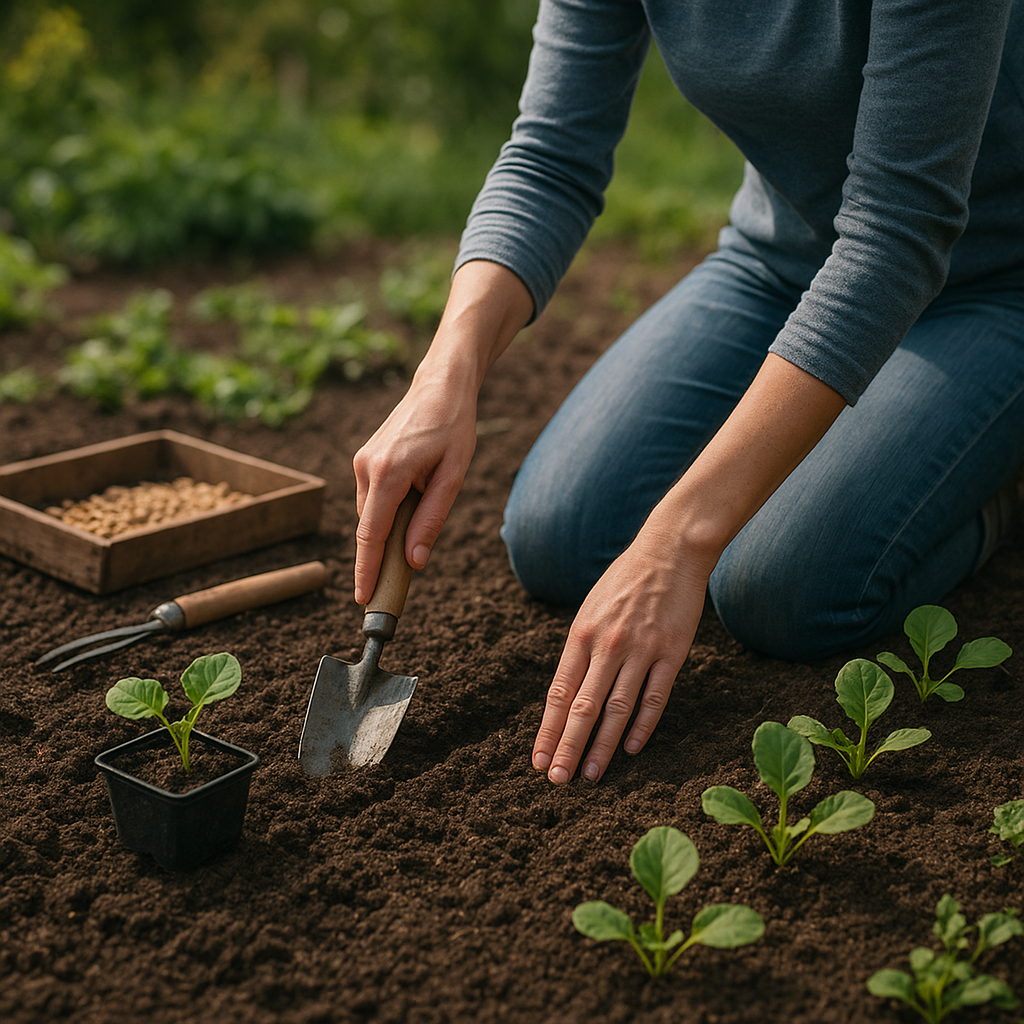
Establishing a profitable vegetable garden requires more than just planting seeds and waiting for the harvest. With careful planning, proper resource management, and strategic market insight, you can transform a simple plot of land into a thriving source of income. Embracing sustainable practices and understanding the intricacies of soil biology will set the foundation for a bountiful harvest that attracts customers and drives profit.
Site Selection and Garden Layout
Choosing the ideal location for your garden is a critical first step. A well-selected site will enhance productivity, minimize maintenance, and reduce the risk of crop failure.
Sunlight and Microclimate Considerations
- Aim for at least eight hours of direct sunlight per day. Crops like tomatoes and peppers thrive under organic light exposure.
- Observe wind patterns. Strong gusts can damage plants and dry out the soil rapidly; consider installing windbreaks or hedgerows.
- Assess temperature variations. Low-lying areas may collect frost, while elevated spots could be too exposed.
Accessibility and Infrastructure
- Ensure easy access to water sources—whether it’s a tap, pond, or rainwater harvesting system for efficient irrigation.
- Plan pathways wide enough for wheelbarrows and equipment, reducing soil compaction and facilitating maintenance.
- Consider proximity to roads and local markets when plotting the garden. Reduced travel time helps preserve freshness and quality for customers.
- Begin with a comprehensive soil test. Analyze pH, levels of nitrogen, phosphorus, potassium, and micronutrients.
- Adjust pH to the optimal range (6.0–7.0 for most vegetables) using lime to raise pH or sulfur to lower it.
- Incorporate high-quality organic fertilizers and rock dusts to correct nutrient deficiencies.
- Build a compost pile using a balanced mix of “greens” (nitrogen-rich materials) and “browns” (carbon-rich materials).
- Maintain good aeration by turning the pile every two weeks; aim for internal temperatures of 130–150°F to kill pathogens and weed seeds.
- After a few months, mature compost becomes a potent soil conditioner that enhances moisture retention and nutrients availability.
- Use organic mulches like straw or wood chips to suppress weeds and regulate soil temperature.
- Mulching conserves water, reducing the frequency of irrigation and helping maintain consistent moisture levels.
- Protect exposed soil to prevent erosion and nutrient leaching during heavy rains.
- Implement succession planting to maximize productivity: stagger seeding dates so new crops follow previous harvests.
- Rotate plant families each season to break pest and disease cycles. For example, avoid planting tomatoes where peppers grew in the previous year.
- Practice integrated pest management (IPM). Monitor pest populations, introduce beneficial insects, and apply organic sprays only when necessary.
- Pests such as aphids and caterpillars can be managed by row covers or neem oil.
- Keep rows and foliage dry; water early in the morning to reduce fungal outbreaks.
- Drip irrigation conveys water directly to the root zone, minimizing evaporation and leaf wetness.
- Install a simple timer or moisture sensors to automate watering schedules and avoid under- or over-watering.
- Harvest rainwater in barrels to supplement irrigation during drier months.
- Harvest vegetables in the cool of the morning when sugar content and crispness are highest.
- Inspect produce for blemishes or disease, and sort into grades: A-grade for premium markets, B-grade for preserves or bulk sales.
- Use sanitized bins and cool storage areas to extend post-harvest shelf life.
- Sell directly to consumers at farmers’ markets for higher per-unit prices.
- Establish relationships with local restaurants or grocery co-ops seeking fresh, organic produce.
- Consider a community-supported agriculture (CSA) subscription model to secure recurring income and build customer loyalty.
- Track expenses and revenues meticulously to calculate per-square-foot profitability.
- Use data to identify high-yield crops that deliver the best return on investment.
- Reinvest profits into infrastructure, such as cold storage, improved greenhouse tunnels, or higher-quality compost systems.
Building Healthy Soil and Compost Management
Healthy soil is the backbone of any productive vegetable garden. Investing time in soil improvement techniques pays dividends through stronger plants and higher yields.
Soil Testing and Amendments
Composting Techniques
Mulching and Soil Protection
Planting Strategies and Crop Management
Successful planting involves both timing and technique. Align crop selection with market demand and seasonal conditions to ensure consistent income streams.
Succession Planting and Crop Rotation
Pest and Disease Control
Irrigation Best Practices
Harvest Techniques and Market Optimization
Harvesting at peak quality and finding the right sales channels are essential to maximizing revenue from your garden.
Timing and Quality Control
Marketing and Sales Channels
Scaling Up and Profit Analysis
Profitability is within reach when you combine agronomic expertise with smart business practices. Continuous learning, adaptive management, and customer engagement will turn your vegetable garden into a reliable and profitable enterprise.