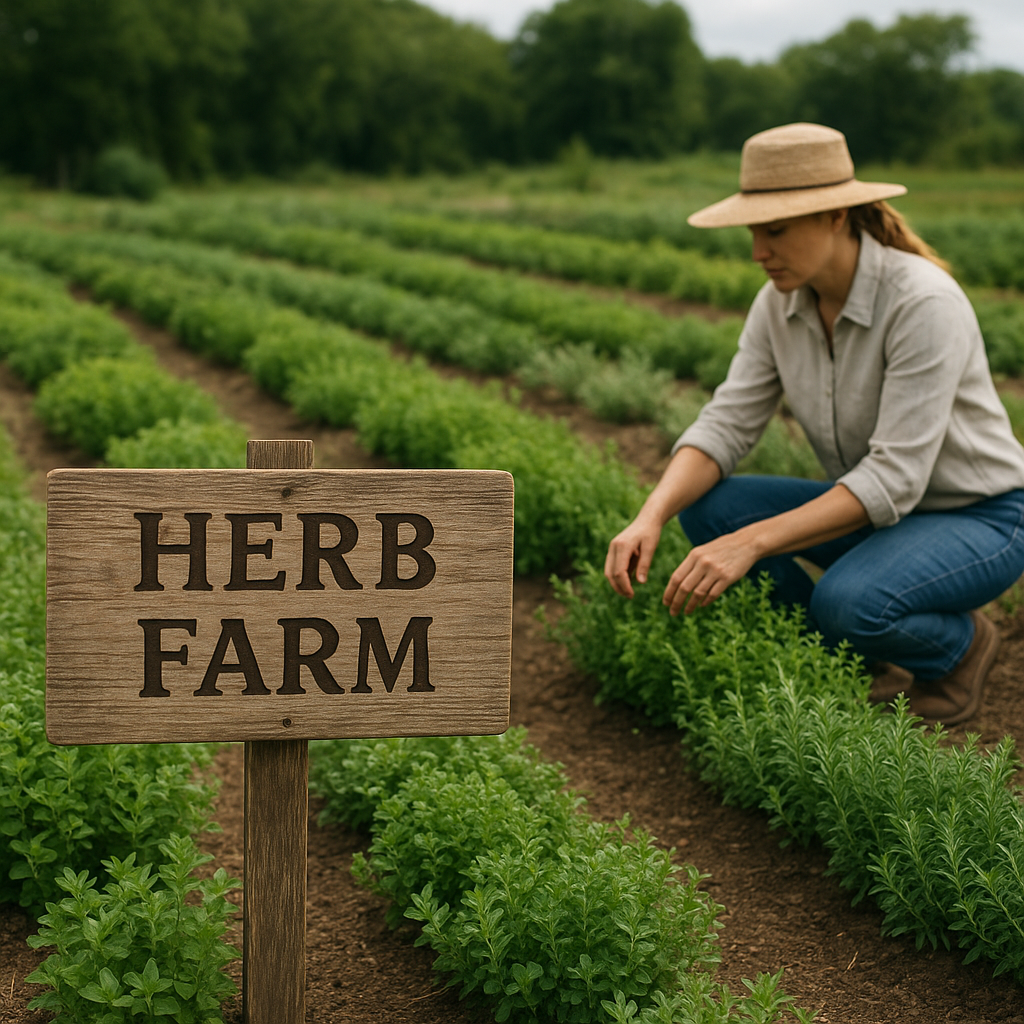
Starting an herb farm is an exciting venture that blends passion for gardening with the potential for steady income. Whether you have a small backyard or a larger parcel of land, cultivating a variety of aromatic plants can turn into a thriving business with proper planning, dedication, and resourcefulness.
Choosing the Ideal Location and Understanding Soil
Selecting the right location is crucial for a successful herb farm. Most culinary and medicinal herbs require full sun, so pick an area that receives at least six to eight hours of direct sunlight daily. Drainage is equally important: standing water or heavy clay can stunt growth and invite root diseases.
Assessing Soil Composition
- Perform a soil test to determine pH and nutrient levels.
- A slightly acidic to neutral pH (6.0–7.0) suits most herbs.
- Amend heavy soil with organic matter—compost or well-rotted manure—to improve texture and fertility.
Ensuring the soil is rich in organic content helps improve moisture retention and fosters strong root development.
Selecting Herbs and Planning Farm Layout
Choosing which herbs to grow depends on your target market, climate, and personal interests. Popular choices include basil, mint, rosemary, thyme, oregano, and lavender. Consider niche or less common varieties such as lemon balm, star anise, or holy basil to stand out.
Designing Your Beds and Rows
- Space beds at least 3 feet apart for ease of access and adequate airflow.
- Orient rows north to south to maximize sunlight exposure.
- Plan for wide paths to accommodate wheelbarrows and irrigation lines.
Mapping out a clear layout early on allows for efficient irrigation setup and simplified harvest operations.
Soil Preparation and Planting Techniques
Proper soil preparation lays the groundwork for high yields and healthy plants. Clear the ground of weeds and debris, then work in a 2–4-inch layer of compost. Tilling to a depth of 8–10 inches helps loosen compacted layers and encourages deep rooting.
Seed vs. Transplants
- Starting from seed is economical and offers a wide selection of varieties.
- Using transplants or cuttings speeds up production, especially for slow-germinating species.
- Harden off greenhouse-grown seedlings gradually to outdoor conditions over 1–2 weeks.
Plant seeds or transplants at the recommended spacing and depth, ensuring proper air circulation to reduce the risk of fungal pests.
Watering, Fertilization, and Pest Management
Water is life for any farm, and herbs are no exception. An efficient drip or soaker hose system delivers moisture directly to the roots, reducing evaporation and surface runoff. Adjust watering schedules based on weather and plant growth stages to avoid overwatering.
Feeding Your Herbs
- Incorporate a balanced, slow-release organic fertilizer at planting.
- Supplement with liquid compost tea or fish emulsion every 4–6 weeks.
- Monitor for nutrient deficiencies and amend accordingly (e.g., magnesium for mint).
Implement integrated pest management (IPM) by encouraging beneficial insects like ladybugs and lacewings. Use row covers or floating fabrics to protect young plants from caterpillars and aphids. Spot-spray with neem oil or insecticidal soap if pests populations rise.
Maximizing Yield and Practicing Sustainability
High yield depends on consistent care and timing your harvest correctly. Most herbs deliver peak flavor and oil content just before flowering; schedule harvesting in the morning after dew has dried.
Crop Rotation and Soil Health
- Rotate families (e.g., Lamiaceae with Apiaceae) to prevent soil-borne diseases.
- Introduce cover crops such as clover or vetch during fallow periods to fix nitrogen.
- Mulch heavily with straw or wood chips to retain moisture and suppress weeds.
Adopting sustainability practices like rainwater harvesting and solar-powered pumps can lower operating costs and lessen environmental impact.
Harvesting, Drying, and Processing Herbs
Efficient processing is key to preserving quality and minimizing post-harvest losses. For leafy herbs, harvest the top 2–3 inches of growth. Bundle with twine and hang in a dark, well-ventilated area to dry. For roots and seeds, use gentle methods to avoid bruising and flavor degradation.
Storage Best Practices
- Store dried herbs in airtight containers away from direct light.
- Label jars with variety and date to track freshness.
- Vacuum sealing or nitrogen flushing can extend shelf life for premium products.
Marketing and Selling Your Herbs
Turning your farm into a profitable enterprise means finding reliable sales channels. Farmers’ markets, local restaurants, co-ops, and online platforms all present opportunities. Highlight the organic and local aspects of your production to appeal to discerning consumers.
Developing a Brand
- Create attractive, eco-friendly packaging with clear labeling.
- Offer value-added products like herb-infused oils, teas, and sachets.
- Leverage social media and a simple website to share farm stories and growing tips.
Analyze customer feedback and adjust your offerings to maximize profit per square foot. Consistent quality and transparency about your methods will build loyalty and repeat business.