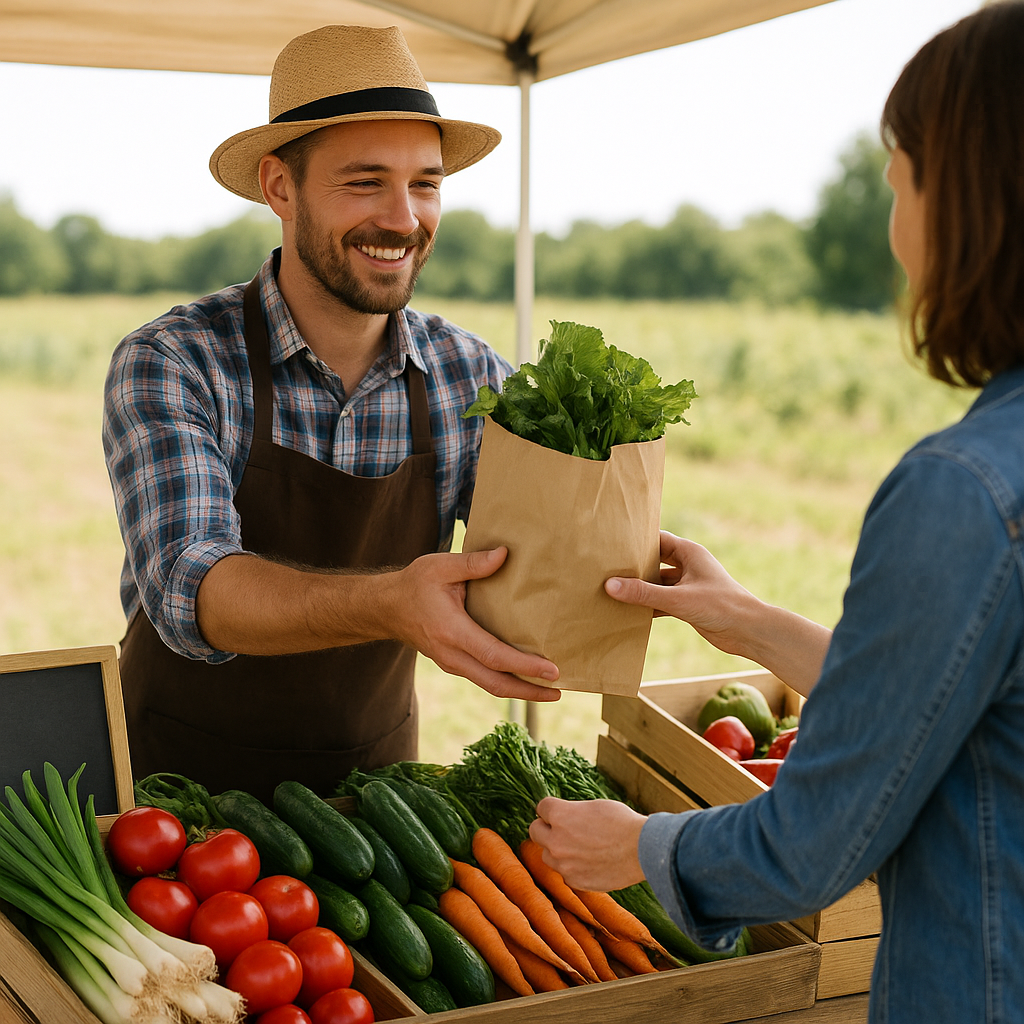
Growing and selling your own fruits, vegetables, eggs or dairy products can be a rewarding endeavor, but success hinges on understanding market demands, crafting a strong brand, and building lasting relationships with customers and partners. This guide offers practical advice on turning your farm’s output into a thriving business by focusing on targeted marketing, efficient logistics, and meaningful community engagement.
Understanding Your Market and Audience
Before offering anything to consumers, research and analysis are essential. Knowing who wants your produce and why they want it will shape your decisions on volumes, varieties and price points. Establishing a clear grasp on your local demographics can help you fine-tune your crop selection, adjust harvest cycles and even decide which value-added products (like preserves or cheeses) might command better margins.
Defining Your Target Audience
- Identify household types: families, singles or retirees.
- Note purchasing habits: weekly shoppers, CSA participants or restaurant chefs.
- Explore buyer motivations: convenience, health, eco-friendly or gourmet.
Segmenting buyers allows you to tailor both messaging and packaging. For instance, a health-conscious family might appreciate nutrient charts and recipe cards, while a chef may care more about consistent supply and precise sizing.
Seasonal Trends and Demand Cycles
Every region experiences harvest peaks and lulls. Use local farmer’s market schedules, restaurant menus and grocery promotions to anticipate demand surges. By aligning your planting calendar with seasonal interest, you can maximize profitability and reduce waste.
Implementing Effective Marketing Strategies
With clarity on who wants your produce, the next step is to stand out. Effective marketing hinges on a memorable brand identity, compelling storytelling and multi-channel outreach. You want customers to associate your offerings with quality, trust and community impact.
Branding and Packaging
- Develop a consistent logo, color scheme and tagline.
- Use eco-friendly materials that convey sustainability.
- Include clear labels: farm name, harvest date and handling tips.
A well-crafted package not only protects the produce but also educates and entices. For example, a bright, minimal design may appeal to urban millennials, while rustic kraft paper evokes a farm-to-table aesthetic for local bistros.
Digital and Offline Promotion
Combining in-person engagement with online visibility maximizes reach:
- Post high-quality photos and stories on social media channels.
- Maintain a simple website or blog with seasonal updates, recipes and event listings.
- Distribute flyers or postcards at community centers, coffee shops and schools.
- Host farm tours or sampling events to spark word-of-mouth referrals.
Each touchpoint reinforces your brand and drives trial purchases, increasing customer loyalty over time.
Cultivating Relationships and Logistical Planning
Strong connections with buyers, suppliers and local institutions can transform occasional sales into steady revenue streams. Combining strategic relationships with solid logistical practices ensures timely delivery, consistent quality and open communication.
Building Partnerships with Local Businesses
- Collaborate with restaurants that emphasize farm-fresh menus.
- Team up with grocers for in-store displays or co-branded promotions.
- Offer schools and community centers discounted bundles for nutrition programs.
These alliances often lead to bulk orders and recurring contracts. In turn, your partners can advertise “locally sourced” offerings, creating a win-win scenario.
Pricing Strategies
Setting the right price balances covering your costs, rewarding effort and staying competitive. Consider:
- Cost-plus pricing: calculate production expenses then add a mark-up.
- Value-based pricing: leverage unique qualities like heirloom varieties or organic certification.
- Bundle pricing: group complementary items to increase average sale value.
Transparent pricing fosters trust. When customers understand why your goods cost what they do, they are more likely to pay for excellence and authenticity.
Streamlining Logistics
Efficient transportation, storage and inventory management prevent spoilage and ensure freshness upon delivery:
- Invest in temperature-controlled storage to extend shelf life.
- Map optimized delivery routes for farmers’ markets or direct customers.
- Use simple digital tools or spreadsheets to track orders, stock levels and upcoming deadlines.
Reliable service builds your reputation for professionalism and encourages repeat orders from chefs, retailers and CSA members.
Enhancing Long-Term Growth and Community Impact
Beyond immediate sales, sustainable expansion relies on reputation, innovation and social responsibility. Embracing educational outreach, diversifying offerings and reinvesting profits into farm improvements solidifies your role within the community.
Educational Programs and Farm Tours
Opening your gates for school field trips, cooking demos or gardening workshops positions you as a community resource. Such activities:
- Generate additional revenue streams through admission fees or product sales.
- Cultivate future customers who value farm practices.
- Strengthen local food literacy and support for small agriculture.
Introducing Value-Added Products
Transform surplus produce into artisanal offerings like jams, pickles, cheeses or baked goods. Value-added items often carry higher margins and can be sold year-round. Ensure compliance with regulations and maintain rigorous quality control to protect your brand’s credibility.
Tracking Performance and Feedback Loops
Continual improvement demands monitoring key metrics:
- Sales volume by product type and channel.
- Customer satisfaction surveys or informal feedback.
- Cost of production variations across seasons.
Use this data to refine your crop planning, adjust marketing focus and innovate new offerings that align with emerging trends.
Maintaining a Commitment to Quality and Sustainability
The backbone of successful local sales is unwavering dedication to excellence and environmental stewardship. Consistent quality fosters trust, while sustainable practices protect the land and boost your farm’s long-term viability.
Soil Health and Crop Rotation
- Implement cover cropping to enhance nutrient cycling.
- Rotate plant families to reduce pest and disease buildup.
- Incorporate organic amendments like compost to build structure.
Water Management and Conservation
- Install drip irrigation or rainwater collection systems.
- Monitor soil moisture to prevent over-watering.
- Mulch beds to reduce evaporation and control weeds.
By demonstrating a strong environmental ethic, you appeal to customers who prioritize ethical sourcing and help ensure your farm remains productive for generations to come.