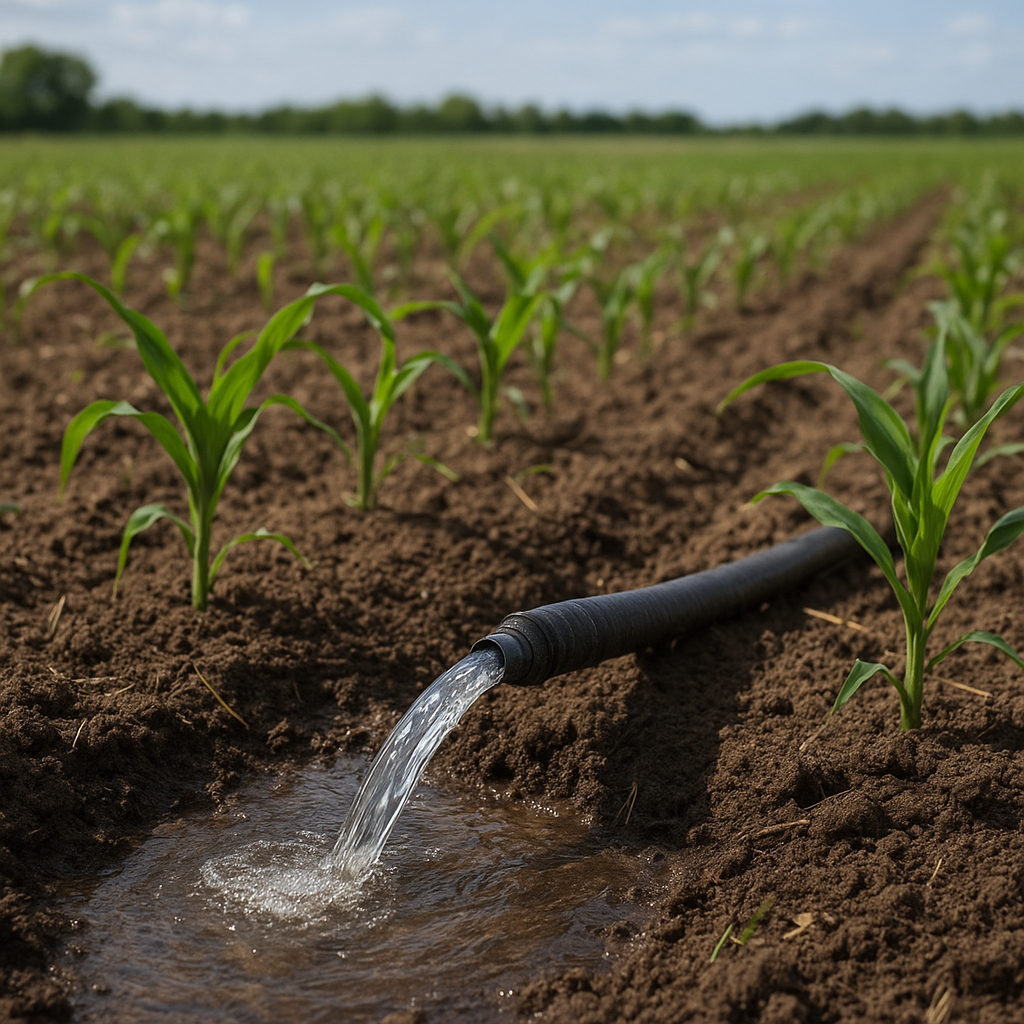
Water resources play a pivotal role in ensuring agricultural productivity and food security worldwide. With mounting pressure from climate variability, population growth, and changing dietary demands, farmers and agribusinesses must adopt strategies that promote sustainability while reducing water consumption. Implementing proven methods and leveraging modern tools can help maintain healthy crops, optimize yield, and preserve precious freshwater reserves.
Understanding Water Challenges in Agriculture
Agriculture accounts for nearly 70% of global freshwater withdrawals, making it the largest single consumer of water resources. In many regions, inefficient practices lead to substantial losses through evaporation, runoff, and deep percolation. To address these issues, stakeholders must first understand the primary factors contributing to water scarcity:
- Climate Change Impact: Rising temperatures and unpredictable rainfall patterns exacerbate droughts and flood events.
- Inefficient Delivery: Traditional flood irrigation can waste up to 50% of applied water before it reaches crop roots.
- Soil Degradation: Poor soil structure and low organic matter reduce the soil’s water-holding capacity, increasing irrigation frequency.
- Crop Water Demand: High-value or water-intensive crops like rice and cotton place additional strains on water supplies.
By acknowledging these challenges, farmers can prioritize interventions that target the most significant inefficiencies and adapt to shifting environmental conditions.
Efficient Irrigation Techniques
Modern irrigation methods focus on delivering water more precisely to the root zone, minimizing losses, and improving overall efficiency. The following approaches have demonstrated success across various climates and farm sizes:
- Drip Irrigation: Delivers water directly to plant roots via a network of tubes and emitters, reducing evaporation and runoff.
- Sprinkler Systems: Overhead sprinklers can be automated and adjusted for uniform distribution, though wind can affect coverage.
- Subsurface Irrigation: Pipes buried beneath the soil surface deliver water below the evaporative zone, enhancing moisture retention.
- Automated Scheduling: Integrating weather forecasts and crop-stage data helps optimize irrigation timing and duration.
Evapotranspiration-Based Scheduling
Evapotranspiration (ET) represents the combined water loss from soil evaporation and plant transpiration. By monitoring ET rates, farmers can:
- Determine precise irrigation intervals
- Avoid overwatering that leaches nutrients below the root zone
- Conserve water while sustaining healthy plant growth
ET data is obtainable through local weather stations, soil moisture sensors, or specialized online platforms. Coupling this information with soil type and crop coefficient values results in a tailored irrigation plan.
Soil and Crop Management Strategies
Improving soil health and selecting appropriate crops are critical components of water conservation. A robust soil ecosystem enhances infiltration and reduces irrigation needs:
- Organic Amendments: Adding compost or manure boosts organic matter, increasing the soil’s capacity to hold moisture.
- No-Till Farming: Minimizing tillage preserves soil structure, decreases erosion, and retains water in the upper soil layers.
- Cover Cropping: Growing cover crops between main crops prevents moisture loss, suppresses weeds, and contributes biomass.
- Mulching: Applying organic or plastic mulch reduces soil evaporation and can lower soil temperature on hot days.
Choosing Drought-Resistant Varieties
Cultivating drought-resistant or low-water-demand crop varieties is another effective tactic. Breeders have developed cultivars that:
- Possess deeper root systems to access subsoil moisture
- Exhibit reduced leaf area or waxy leaf coatings to minimize water loss
- Enter dormancy during extreme stress, then resume growth once conditions improve
Implementing crop rotation and intercropping with legumes also enhances soil structure, replenishes nutrients, and reduces dependency on irrigation.
Innovative Water Conservation Technologies
Advances in technology have unlocked new possibilities for precision water management. By adopting cutting-edge solutions, agricultural producers can monitor, analyze, and respond to water needs more effectively:
- Soil Moisture Sensors: Real-time data on moisture levels guides irrigation decisions, preventing over- or under-watering.
- Remote Sensing and Drones: Aerial imagery identifies stress zones, enabling targeted irrigation or localized interventions.
- Precision Agriculture Platforms: Integrating GPS, IoT, and data analytics delivers actionable insights on water use patterns.
- Automated Valves and Pumps: Computer-controlled hardware adjusts flow rates based on sensor feedback and predefined thresholds.
Rainwater Harvesting and Storage
Collecting rainwater from rooftops, terraces, or dedicated catchment areas supplies an alternative source of irrigation water. Key benefits include:
- Reduced reliance on groundwater and surface water
- Lower energy costs associated with pumping
- Enhanced resilience during drought periods
Storage options range from simple barrels to large lined ponds. Integrating solar-powered pumps and filtration systems ensures water quality and availability when needed.
Data-Driven Decision Making
Implementing a robust monitoring framework that leverages soil, weather, and crop data fosters continual improvement. Farmers can:
- Track performance metrics like water use efficiency (WUE) and yield per drop
- Benchmark against regional and historical data to identify optimization opportunities
- Adopt predictive analytics to forecast irrigation requirements under various scenarios
By embracing digital tools, agricultural producers strengthen their capacity to manage water as a finite and precious resource.