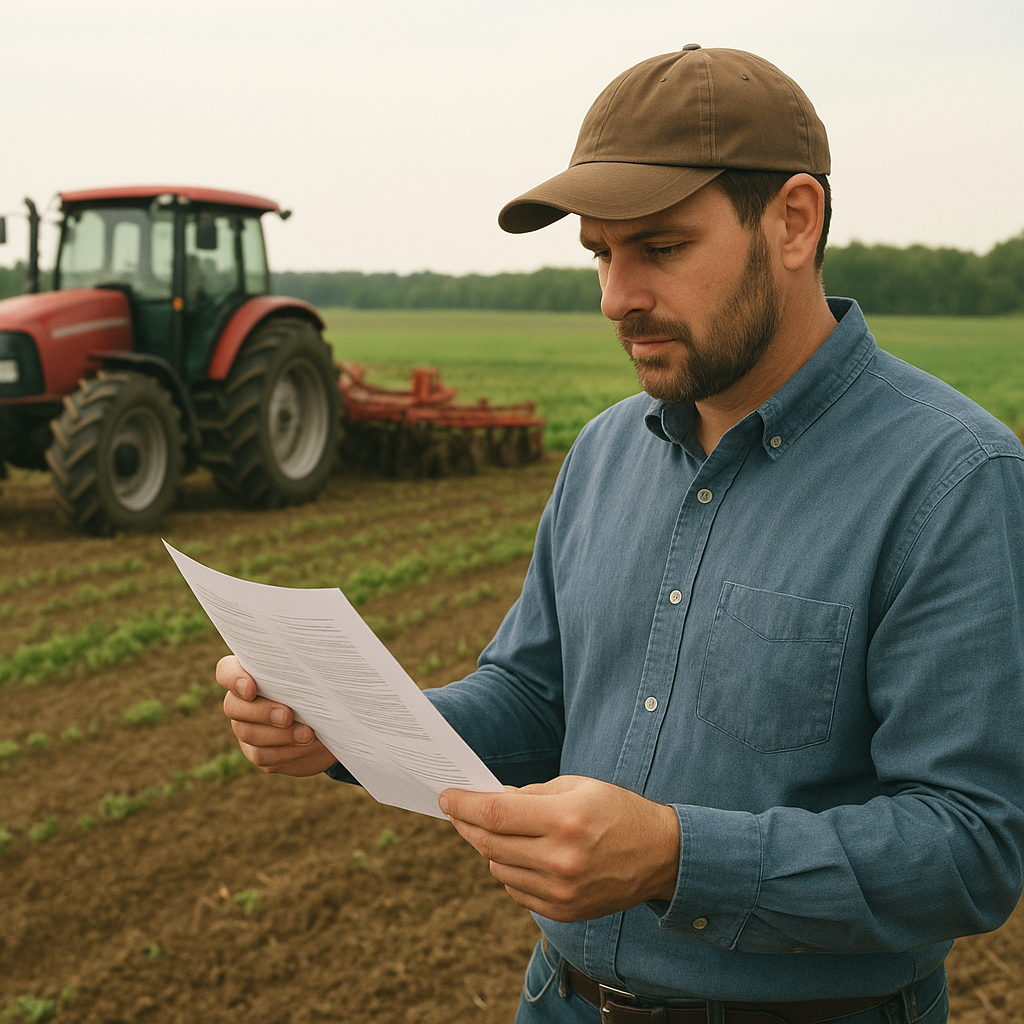
Running a farm demands a careful balance of maximizing yield while minimizing expenditures. By adopting smart budgeting, efficient resource allocation, and modern techniques, producers can achieve sustainable growth without compromising quality. This article explores actionable strategies to cut down on operating costs, enhance efficiency, and foster long‐term resilience.
Analyzing Input Costs and Budget Planning
Before implementing cost‐cutting measures, farmers must gain a clear understanding of where every dollar goes. Detailed tracking and realistic projections form the foundation of any cost-effective operation.
Tracking Expenditures
- Record daily expenses for seeds, fertilizers, and chemicals. Use digital ledgers or farm management software to monitor resource management in real time.
- Include labor costs—both hired workers and unpaid family labor—to see the full picture of workforce spending.
- Log fuel and energy usage for machinery and irrigation, identifying spikes that may indicate inefficiencies.
Setting Financial Goals
- Divide annual budgets into quarterly or monthly targets, adjusting for seasonal demands.
- Allocate emergency reserves to cover unexpected breakdowns or market fluctuations.
- Compare forecasted returns with historical data to refine projections and avoid overspending.
Enhancing Resource Utilization and Reducing Waste
Effective utilization of water, soil, and nutrients can significantly cut expenses. Precision techniques and conservation practices not only save money but also promote sustainability and long‐term soil health.
Precision Agriculture Techniques
- Implement GPS‐guided equipment for variable rate application of fertilizers and pesticides. This minimizes overlap and reduces chemical costs.
- Use drones or satellite imagery for field mapping, allowing targeted interventions where crop stress is detected.
- Invest in yield monitoring systems to collect data each harvest, improving future planting decisions with data analytics.
Efficient Water Management
- Switch to drip or micro‐sprinkler irrigation to deliver water directly to plant roots, reducing evaporation losses.
- Install moisture sensors and automated valves that irrigate only when soil reaches a critical dryness threshold.
- Harvest rainwater and store it in ponds or tanks, cutting reliance on costly municipal or well water in dry seasons.
Conservation Tillage
- Adopt reduced‐till or no‐till systems to lower fuel consumption and preserve soil structure.
- Rotate between shallow and deep tillage to manage residue while avoiding repeated heavy passes.
- Combine cover cropping with conservation tillage to suppress weeds and enhance organic matter naturally.
Equipment Optimization and Mechanization Strategies
Efficient machinery use is critical for lowering operational costs. Proper maintenance, right‐sizing, and shared resources can yield substantial savings on mechanization expenses.
Right-Sizing Machinery
- Match tractor horsepower and implement width to farm size—oversized gear wastes fuel, while undersized tools slow work.
- Consider multi-purpose equipment that can handle planting, cultivation, and spraying with quick attachments.
- Lease or custom‐hire specialized machinery for occasional tasks rather than purchasing expensive units.
Maintenance Scheduling
- Create a calendar for regular oil changes, filter replacements, and tire inspections to prevent costly breakdowns.
- Train operators in daily pre‐ and post‐operation checks, ensuring early detection of wear and leaks.
- Keep an organized spare parts inventory to reduce downtime during peak field operations.
Equipment Sharing and Collaboration
- Form cooperative agreements with neighboring farms to pool expensive machinery.
- Coordinate schedules to maximize usage rates and minimize idle time.
- Share maintenance facilities and technical expertise to further cut service costs.
Crop Management Practices for Cost Reduction
Optimizing planting strategies and integrating ecological methods can lower input needs and strengthen farm resilience. Focus on diversifying crops and leveraging natural processes to maintain productivity.
Crop Rotation and Cover Crops
- Rotate legumes with cereals to naturally fix nitrogen, reducing synthetic fertilizer reliance.
- Introduce cover crops such as clover or rye during fallow periods to prevent erosion and build organic matter.
- Evaluate rotation sequences to break pest and disease cycles, boosting overall yield without extra chemical treatments.
Integrated Pest Management (IPM)
- Monitor pest populations with traps and field scouting before applying controls.
- Use biological agents—predatory insects, beneficial nematodes—to target pests and cut back on chemical usage.
- Apply pesticides only in high‐pressure zones pinpointed by field data, saving on bulk application costs.
Fertilizer Management
- Conduct regular soil tests to tailor nutrient applications, avoiding blanket coverage that wastes products.
- Split fertilizer applications into multiple stages aligned with crop growth curves for maximum uptake.
- Explore organic amendments such as compost and manure to improve soil structure and gradually supply nutrients.
Leveraging Technology and Market Access
Integrating modern tools and tapping into new sales channels helps farmers stay competitive while minimizing overheads. From digital platforms to direct marketing, technology offers cost-saving opportunities.
Farm Management Software
- Select cloud-based systems that track expenses, labor hours, and machinery usage in one interface.
- Use mobile apps for field notes and photo documentation, reducing paperwork and improving record accuracy.
- Analyze profitability per field or enterprise to identify high-margin activities and cut underperforming lines.
Direct and Online Marketing
- Launch a farm website or social media presence to sell produce directly, eliminating middlemen fees.
- Join online marketplaces and local CSA programs to secure advance payments and stabilize cash flow.
- Offer value-added products such as jams or cheese, enhancing revenue streams with minimal facility investments.
Collaborations and Grants
- Partner with universities or extension services for precision agriculture trials and equipment-sharing grants.
- Apply for government programs that subsidize renewable energy installations, like solar-powered irrigation pumps.
- Explore rural development funds aimed at improving sustainability and efficiency on small and medium-sized farms.