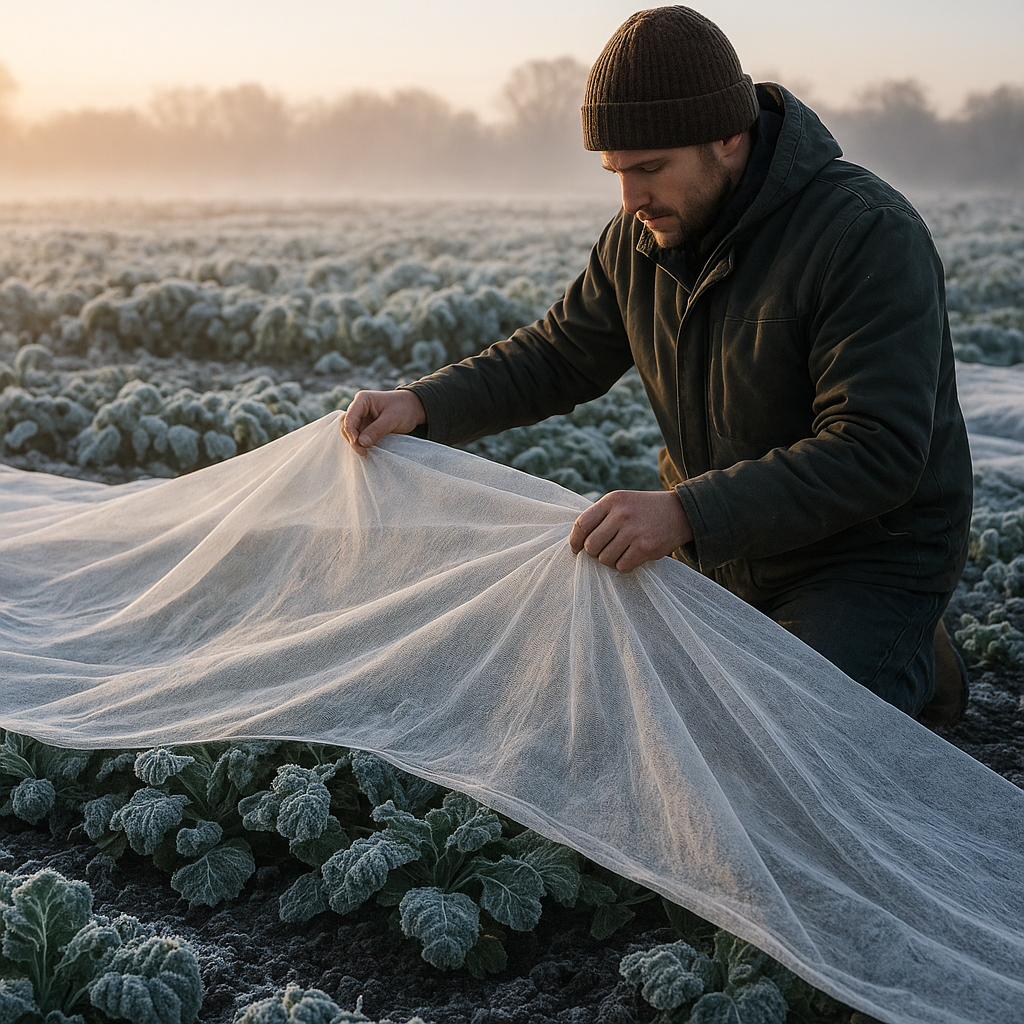
Cold snaps and unexpected nighttime temperature drops pose serious threats to many crops, leading to cellular damage, reduced yields, and in severe cases, total crop loss. By combining knowledge of local climate patterns with targeted protective measures, growers can create a more resilient system that shields plants from damaging frost and prolonged chilling. This article explores practical tips and proven tactics to safeguard your fields and garden beds when temperatures plummet.
Understanding Frost and Cold Damage in Crops
Frost occurs when the leaf surface temperature falls below the freezing point, causing water within plant tissues to ice over and rupture cell walls. Two main types are radiation frost, which develops on clear, calm nights, and advective frost, brought by cold air masses and strong winds.
Mechanisms of Injury
- Ice crystal formation in intercellular spaces leads to dehydration and mechanical injury.
- Reduced enzymatic activity at low temperatures disrupts metabolic processes.
- Sudden thawing after a freeze can exacerbate cellular rupture due to rapid expansion.
Critical temperatures vary by crop species and growth stage. Young buds and blossoms often suffer damage at just a few degrees below zero, whereas mature tissues can tolerate slightly lower thresholds. Recognizing local temperature patterns, especially the microclimate variations within your field, is vital for timely intervention.
Preventive Strategies: Variety Selection and Planting Timing
Choosing the right cultivar and planting at the optimal time lays the foundation for frost resilience. Many seed companies now offer cold-hardy varieties bred for late spring or early fall cultivation. Consider the following guidelines:
- Select high-chill or low-chill cultivars based on regional winter conditions and forecasted frost dates.
- Adjust planting dates to avoid sensitive growth stages coinciding with typical frost windows.
- Use degree-day models to predict development stages and frost risk periods.
Additionally, strategic field placement can leverage natural heat sources. South-facing slopes and areas near bodies of water often retain warmth longer, reducing frost incidence. Incorporating windbreaks and shelterbelts not only minimizes windbreaks but also helps to trap warmer air, delaying nighttime temperature drops.
Physical Protection Techniques
When frost threatens, deploying barriers and heat sources can prevent ice formation on leaves and blooms. Below are common tools for growers:
- Row cover fabrics trap radiated warmth, raising canopy temperatures by 2–4 °C. Lightweight covers allow light penetration while providing insulation.
- Mist or overhead irrigation systems create a protective ice layer that releases latent heat as it freezes, keeping plant tissues at or near freezing point without dropping below.
- Portable greenhouse or hoop house structures maintain higher humidity and temperature, shielding seedlings and high-value crops.
- Frost fans and wind machines mix warmer upper air with cold surface layers, preventing temperature inversion.
- Thermal blankets and insulation wraps for sensitive root zones reduce conductive heat loss.
Combining these methods can offer cumulative protection. For instance, pairing a frost fan with row covers and occasional water applications can guard against both radiation and advective frost events.
Agro-Technical Measures and Field Management
Field-level adjustments and cultural practices play a crucial role in minimizing cold stress. Key measures include:
Soil and Mulch Management
- Applying organic mulch layers (straw, wood chips) enhances soil heat retention and prevents rapid cooling at night.
- Increasing soil organic matter improves water-holding capacity and thermal inertia, acting as a thermal mass buffer.
Irrigation and Drainage
- Pre-frost irrigation raises soil moisture, which warms and cools more slowly than dry soil, moderating temperature swings.
- Ensure efficient drainage systems to avoid waterlogging, which can compound cold damage by starving roots of oxygen.
Monitoring and Forecasting
- Install weather sensors at canopy height to track real-time temperature and humidity data.
- Use local frost forecasts and degree-hour models to trigger protection measures before the critical threshold is reached.
- Leverage smartphone apps or remote telemetry for instant alerts when temperatures approach danger levels.
Employing an integrated approach—melding proactive field design, crop selection, and on-the-ground protection—maximizes the chances of preserving plant health and securing yields despite cold challenges.