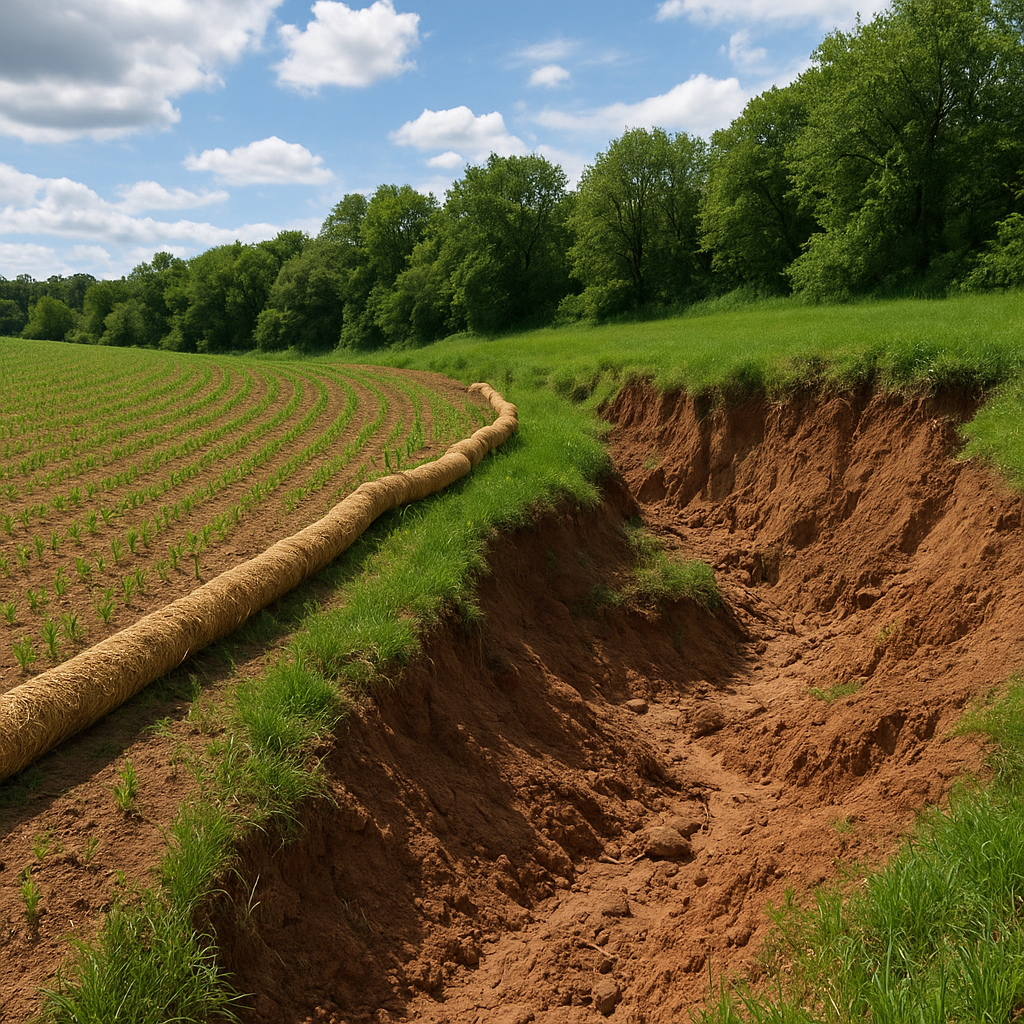
Maintaining the productivity and sustainability of agricultural land requires a proactive approach to preventing soil erosion. Erosion can strip away fertile topsoil, reduce water retention, and degrade overall soil health, threatening crop yields and long-term farm viability. By understanding the underlying causes and implementing proven strategies, landowners can protect their fields, enhance biodiversity, and promote resilience against extreme weather events.
Understanding Soil Erosion Processes
Soil erosion occurs when wind or water detaches and transports soil particles, often carrying away essential nutrients and organic matter. Recognizing the primary drivers of erosion helps in choosing appropriate control measures. Rain splash, surface runoff, and wind shear all contribute to the gradual loss of topsoil, which can lead to gully formation or widespread degradation of field surfaces.
Key Factors Influencing Erosion Rates
- Rainfall intensity and volume: Heavy downpours can generate significant water runoff that detaches soil.
- Slope gradient and length: Steeper and longer slopes accelerate the flow of water, increasing erosion potential.
- Soil texture and structure: Sandy soils are more prone to detachment, while clay soils may create surface crusts that impede infiltration.
- Vegetative cover: Bare soil surfaces experience higher rates of detachment compared to areas with dense vegetation or residue cover.
Over time, even moderate erosion can reduce tillable land, increase the need for chemical inputs, and harm nearby waterways through sedimentation. Understanding local conditions and monitoring changes in soil depth are crucial first steps in an effective erosion control plan.
Vegetative and Biological Methods to Reduce Erosion
One of the most cost-effective and environmentally friendly approaches relies on establishing living plant barriers and biological amendments. Vegetation not only shields the soil surface from raindrop impact but also enhances water infiltration and binds soil particles with an extensive root network.
Cover Crops and Mulching
Planting cover crops during off-seasons ensures that fields are never left bare. Legumes, grasses, and brassicas can be selected based on local climate and soil conditions. Cover crops:
- Shield the soil from direct impact of rain.
- Improve organic matter content and soil structure.
- Suppress weed growth, reducing the need for herbicides.
- Enhance biodiversity by attracting pollinators and beneficial insects.
Similarly, mulching with straw, wood chips, or plant residues provides an immediate protective blanket, reducing surface runoff and moderating temperature extremes that can stress microbial communities.
Agroforestry and Buffer Strips
Integrating trees and shrubs along field boundaries or within cropping systems creates multifunctional buffers. Rows of deep-rooted species act as living fences that intercept surface flow, trap sediment, and gradually build up soil levels behind the barrier. Agroforestry designs may include:
- Windbreaks to reduce wind erosion and protect young crops.
- Riparian buffers planted with native grasses and shrubs to filter runoff before it enters streams.
- Silvopasture systems where trees provide shade, forage, and root stability.
Structural and Mechanical Strategies
While vegetative methods should form the foundation of any soil conservation plan, physical structures can address challenging topography or high-risk areas. These measures often require initial investment but offer durable, long-term protection.
Contour Plowing and Terracing
By aligning farming operations perpendicular to the slope, contour plowing slows down the downhill movement of water. Each furrow acts like a miniature dam, promoting water infiltration rather than surface runoff. In steeper regions, terracing involves reshaping the land into a series of level steps, which greatly reduces the velocity of flowing water and captures soil behind terrace walls.
Diversion Channels and Check Dams
Constructed channels can reroute concentrated flow away from vulnerable zones. Small check dams made from rock, logs, or geotextile materials further slow water, enabling suspended particles to settle out before passing downslope.
- Regularly inspect and maintain channels to prevent clogging.
- Use local materials to integrate structures with the landscape.
- Combine with grassed waterways for enhanced stability.
When properly designed, these features work in tandem with living barriers to create a multilayered defense against erosion.
Monitoring and Adaptive Management
Preventing soil erosion is not a one-time effort but an ongoing commitment to land management and continuous improvement. Regular observation, record-keeping, and adjustments ensure that implemented measures remain effective under changing weather patterns and cropping systems.
Soil and Water Monitoring Techniques
Simple tools like erosion pins, graduated stakes, or aerial imagery can quantify soil loss over time. Combined with rainfall data, these indicators inform decisions on where to reinforce existing defenses or trial new innovations.
- Photograph key locations each season to document changes.
- Measure sediment accumulation behind barriers.
- Track infiltration rates in treated versus untreated plots.
Adaptive Strategies for Long-Term Success
Adjust planting dates, crop rotations, or tillage practices based on monitoring feedback. For instance, if a particular slope still exhibits signs of rapid runoff, introducing a strip of deep-rooted grasses or experimenting with no-till planting may prove beneficial. Engaging with local agricultural extension services can provide access to the latest research and regional case studies.
Ultimately, integrating both biological and mechanical erosion control tactics fosters a resilient landscape. By investing in preventive measures, landowners safeguard productivity, contribute to environmental stewardship, and ensure the land remains a thriving resource for generations to come.