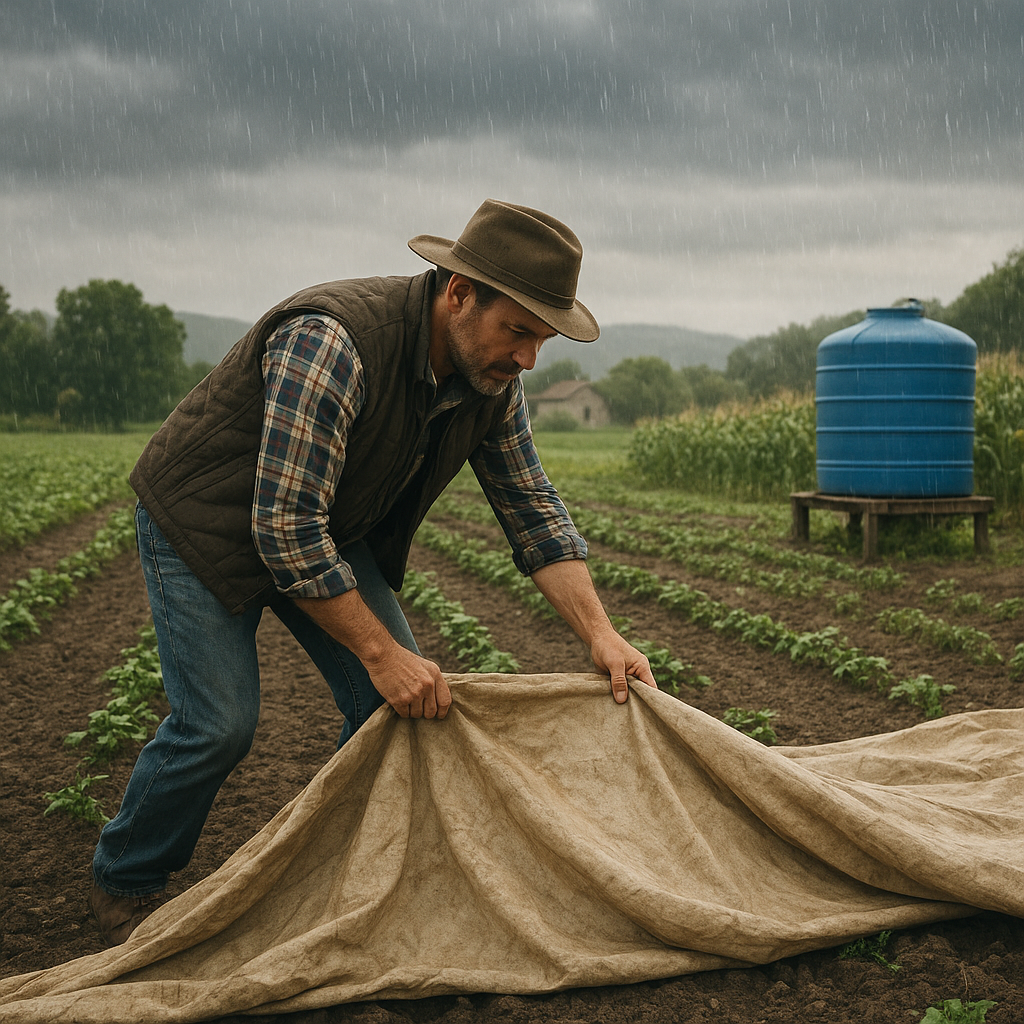
Preparing your farm for the rainy season is a critical task that demands careful planning and execution. Excessive rainfall brings both opportunities and challenges, making it essential to implement practical measures that protect your crops, maintain soil health, and ensure efficient water management. The following sections provide detailed guidance on essential strategies to optimize agricultural productivity while mitigating risks during periods of heavy rain.
Soil and Crop Management Strategies
Maintaining soil fertility and structure is paramount when facing the wet season. Poorly managed soil can result in waterlogging, root rot, and nutrient loss. Employing targeted practices enhances resilience and promotes healthy plant growth.
Soil Testing and Nutrient Management
- Conduct a comprehensive soil test at least one month before the onset of rains to assess pH, organic matter, and key nutrient levels.
- Adjust pH with lime or sulfur as recommended by your test report to improve nutrient availability.
- Apply a balanced fertilizer blend tailored to crop needs, incorporating slow-release formulas to prevent nutrient leaching.
- Incorporate organic matter such as compost or well-rotted manure to enhance soil structure and moisture retention.
Crop Rotation and Cover Crops
- Implement a crop rotation plan that alternates deep-rooting and shallow-rooting species to reduce pest pressure and improve nutrient management.
- Plant cover crops (e.g., legumes, ryegrass) during fallow periods to protect soil from erosion, suppress weeds, and fix atmospheric nitrogen.
- Terminate cover crops properly—either by mowing or crimping—to create a mulch layer that conserves moisture and moderates soil temperature.
Water Management and Drainage Solutions
Efficient water control is crucial to prevent flooding and erosion. Well-designed drainage systems and water harvesting structures can turn potential threats into assets, ensuring optimum moisture levels for your crops.
Designing an Effective Drainage Network
- Survey your farm’s topography to identify low-lying zones prone to waterlogging and high runoff areas.
- Construct drainage channels and ditches to divert excess water away from fields, ensuring a gentle gradient to avoid soil disturbance.
- Install perforated pipes or tile drains below the surface in heavier soils to facilitate subsurface drainage and maintain root-zone aeration.
Rainwater Harvesting and Storage
- Channel roof runoff from barns and storage buildings into storage facilities such as tanks, ponds, or lined reservoirs.
- Use captured water for supplemental irrigation during dry spells, maintaining soil moisture without stressing local water sources.
- Equip reservoirs with filtration systems to prevent contamination and algal growth, ensuring safe water for crops and livestock.
Infrastructure and Equipment Preparation
Ensuring that farm infrastructure and machinery are rain-ready protects your investment and maintains continuous operations. Taking preventive steps reduces downtime and costly repairs when the weather turns wet.
Maintaining Farm Roads and Access Points
- Grade and compact farm roads to improve surface runoff, preventing potholes and muddy patches that hinder machinery movement.
- Install gravel or stone aggregates in high-traffic areas to reduce soil compaction and maintain safe access for vehicles.
- Construct culverts under driveways where needed to allow uninterrupted flow of water beneath the road surface.
Equipment Inspection and Calibration
- Perform a thorough inspection of tractors, plows, and seeders, checking for rust, loose bolts, and worn components.
- Calibrate sprayers and spreaders to ensure accurate application of pesticides and fertilizers, preventing runoff and contamination.
- Lubricate moving parts and replace worn hoses to avoid breakdowns during high-demand planting or harvesting operations.
Pest and Disease Prevention During Wet Conditions
High humidity and standing water create ideal conditions for pathogens and pests. Early detection and proactive control measures can mitigate losses and safeguard crop health.
Monitoring and Early Warning Systems
- Install simple weather stations or use local forecasts to predict prolonged wet periods and high humidity events.
- Conduct regular field scouting to detect signs of fungal infections, such as root rot, downy mildew, or leaf spot diseases.
- Set up pheromone traps or sticky boards to monitor insect populations and identify threshold levels for intervention.
Integrated Pest Management (IPM) Tactics
- Employ cultural practices like wider row spacing and improved airflow through pruning to reduce disease pressure.
- Apply biological controls—beneficial nematodes, predatory insects, or microbial inoculants—to target specific pests without harming beneficial organisms.
- Use targeted chemical treatments only when necessary, following label guidelines to minimize environmental impact and resistance buildup.
Enhancing Farm Resilience and Sustainability
Building long-term resilience requires integrating sustainable practices that preserve resources and strengthen ecological balance. By adopting frontrunner methods, you can thrive under fluctuating weather patterns.
Agroforestry and Buffer Zones
- Incorporate buffer strips of trees and shrubs along field edges to intercept runoff, capture sediments, and reduce nutrient loss.
- Plant multipurpose trees that provide shade, windbreaks, and organic mulch materials for composting.
- Use alley cropping or silvopasture systems to diversify income sources and improve biodiversity.
Continuous Learning and Adaptation
- Participate in agricultural extension programs and workshops to stay informed about innovative techniques and local weather trends.
- Network with other farmers to share experiences, troubleshoot challenges, and benchmark successful practices.
- Maintain detailed records of weather patterns, yields, and input usage to refine your strategies season after season.