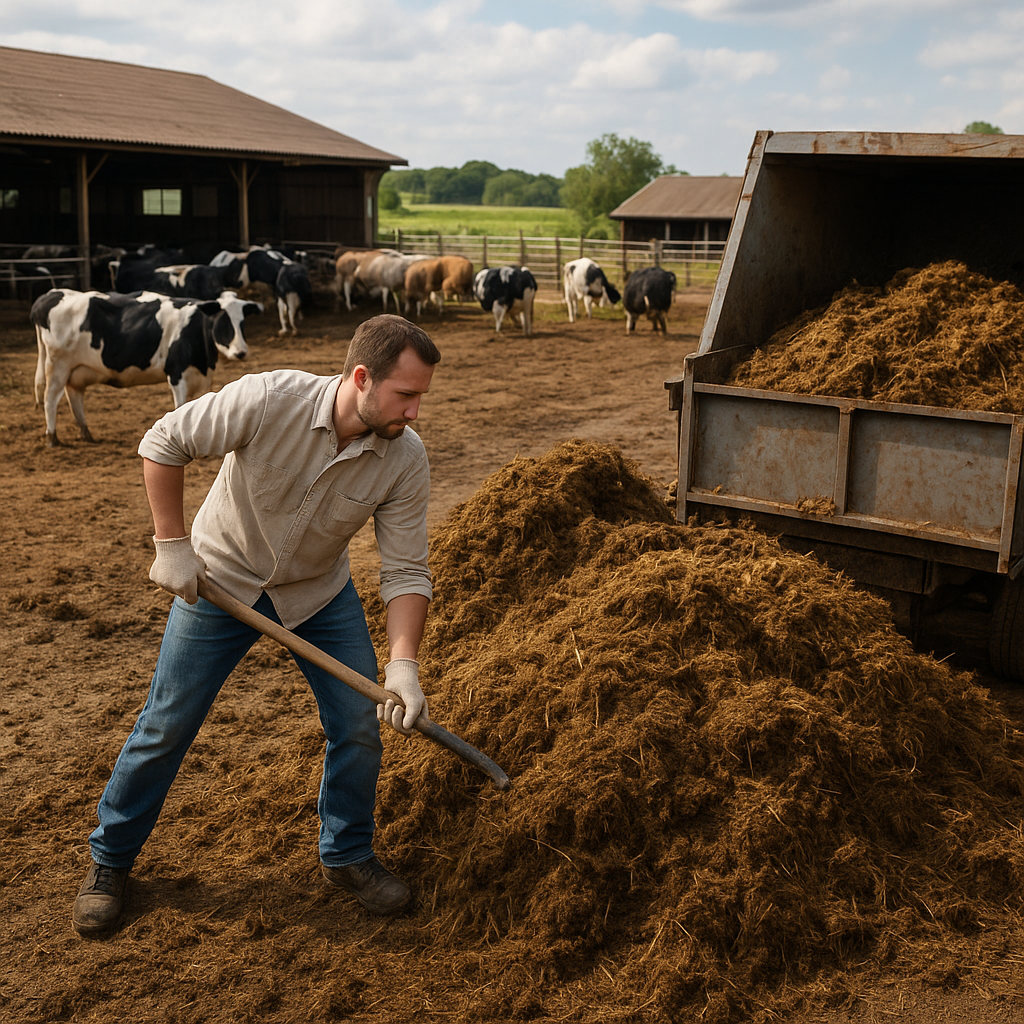
Effective livestock waste management is essential for maintaining farm hygiene, protecting water quality, and enhancing soil fertility. Proper practices not only minimize environmental impact but also add value to byproducts, fostering a more sustainable and profitable agricultural operation. This article outlines practical strategies and technologies that help livestock producers handle manure, urine, and bedding materials efficiently while maximizing resource recovery.
Understanding the Science and Importance of Livestock Waste Management
Livestock waste contains a rich combination of organic matter, nutrients, and microorganisms. Without careful handling, these components can lead to odor issues, greenhouse gas emissions, and water contamination through nutrient runoff. Recognizing the chemical and biological dynamics of manure is the first step to designing effective systems. Key factors include:
- Nutrient content – Levels of nitrogen, phosphorus, potassium, and micronutrients vary by species, diet, and bedding materials.
- Moisture – High moisture can accelerate harmful leaching; low moisture may slow microbial decomposition.
- Pathogen load – Bacteria, viruses, and parasites require proper treatment to ensure biosecurity.
- pH balance – Influences ammonia release and microbial activity during storage and treatment.
Assessing these variables through routine sampling and analysis helps producers tailor management plans. A clear understanding of waste composition informs the choice between solid and liquid handling systems, and determines the need for specialized treatment like anaerobic digestion or advanced composting.
Implementing Efficient Collection and Storage Systems
Efficient collection and storage are the backbone of any waste management program. Delays or inadequate infrastructure can allow nutrients to escape into the environment. Consider the following approaches:
- Solid-separation – Implement separators or settling tanks to divide manure into a liquid fraction for irrigation and a solid fraction for composting.
- Manure pits and lagoons – Design properly lined pits to prevent seepage. Ensure cover systems to reduce odor and greenhouse gases.
- Storage capacity – Maintain at least six months of capacity to account for seasonal application restrictions.
- Automated scrapers – Use pit or gutter scrapers to transport manure with minimal labor and enhanced safety.
Routine maintenance of storage units is crucial. Inspect liners, embankments, and inflow structures regularly. Properly sized and well-maintained facilities reduce the risk of overflows during heavy rains and minimize potential environmental liabilities.
Processing and Treatment Methods
Composting Techniques
Composting transforms solid waste into a stable, pathogen-reduced product. Key considerations include:
- Adequate carbon-to-nitrogen ratio – Aim for 25:1 to 30:1 by mixing manure with straw, wood chips, or husks.
- Temperature control – Monitor regularly to ensure core temperatures reach 55–65°C for effective pathogen reduction.
- Turning frequency – Aerate piles weekly or use forced-air systems to maintain aerobic conditions and reduce odor.
Biogas and Anaerobic Digestion
Anaerobic digester systems capture methane for energy and produce nutrient-rich digestate:
- Feedstock preparation – Screen and dilute inputs for consistent flow and microbial balance.
- Retention time – Typically 20–30 days at mesophilic temperatures (around 35–38°C).
- Biogas utilization – Generate heat, electricity, or vehicle fuel after scrubbing out hydrogen sulfide and moisture.
Digestate can be separated into liquid and solid fractions. Liquids serve as a low-emission fertilizer, while solids can be composted or pelletized into a dry amendment.
Advanced Treatments
Emerging technologies offer further enhancements:
- Membrane filtration – Produces high-quality effluent and concentrates nutrients for fertilizer pellets.
- Constructed wetlands – Utilize plant uptake to polish lagoon effluent before field application.
- Thermal drying – Reduces moisture to create a lightweight product with minimized odor and pathogen risk.
Utilizing Treated Waste as Valuable Resources
When managed correctly, livestock waste becomes a profitable resource stream rather than a disposal challenge.
Fertilizer and Soil Amendment
- Liquid manure – Apply via injection or low-pressure irrigation to reduce ammonia loss and odor.
- Compost – Use as a nutrient-rich soil conditioner that boosts microbial activity and water retention.
- Pelletized products – Offer uniform nutrient content, easy storage, and precise application rates.
Energy Production
- Biogas – Convert captured methane into electricity or heat, offsetting on-farm energy costs.
- Combined heat and power (CHP) – Integrate systems for maximum efficiency and continuous operation.
Environmental Compliance and Certification
Demonstrating proper waste handling can unlock additional market benefits:
- Participate in environmental compliance programs to avoid fines and enhance public trust.
- Obtain sustainable agriculture or circular economy certifications to access premium markets.
Documenting treatment methods, application rates, and soil test results ensures accountability and transparency, strengthening relationships with regulators and consumers alike.
Best Practices for Continuous Improvement
Effective waste management is an evolving process. Commit to continuous monitoring and adopt adaptive strategies:
- Regularly test nutrient levels in manure and soil to fine-tune application plans.
- Train staff on safety protocols and equipment operation to maintain high standards of biosecurity.
- Stay informed about emerging regulations, funding opportunities, and technologies.
- Engage with agronomic advisors and extension services for expert guidance.
By embracing innovation and diligent management, livestock producers can turn what was once a disposal concern into a cornerstone of farm resilience, fostering healthier animals, richer soils, and a more robust bottom line.