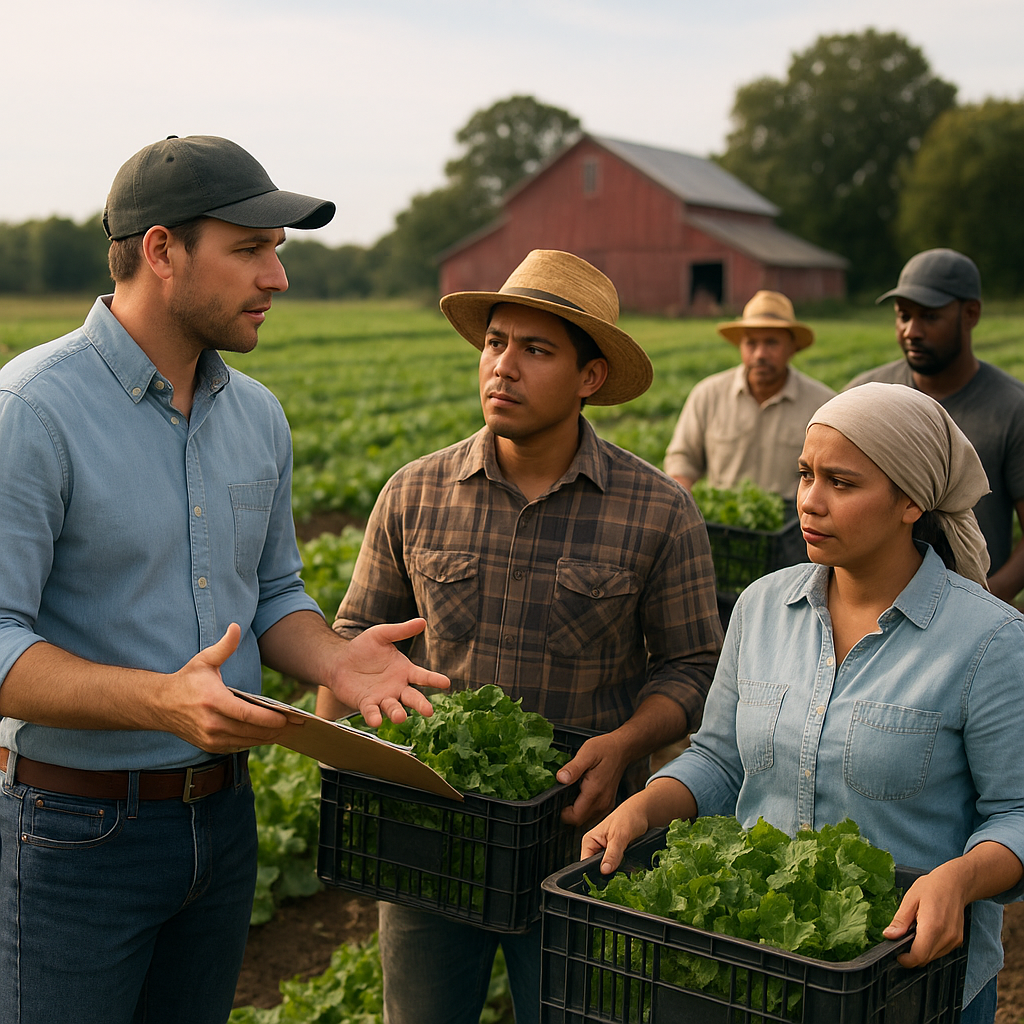
Effective management of farm labor is essential for maximizing yields, reducing costs, and maintaining a harmonious work environment. By implementing proven strategies and embracing modern tools, farmers can boost efficiency and stay competitive. This article outlines key approaches to streamline labor operations and foster a productive team.
Labor Planning and Recruitment
Before any planting, harvesting, or livestock care begins, a comprehensive plan must be in place. Start by evaluating your seasonal workload, crop rotations, and peak periods. Create a detailed calendar that highlights labor-intensive phases such as planting in spring, field maintenance in summer, and harvest in autumn. This roadmap will help you anticipate staffing needs and avoid last-minute shortages.
Key Steps for Effective Recruitment:
- Define clear job descriptions with required skills and responsibilities.
- Advertise positions through local agricultural networks, community boards, and online platforms.
- Screen candidates based on both technical abilities and cultural fit.
- Conduct interviews or practical tests to assess hands-on competence.
- Offer competitive wages and benefits to attract reliable workers.
Ensuring a smooth onboarding process sets the stage for long-term retention. Provide new hires with comprehensive orientation materials, safety protocols, and a tour of the farm. Emphasize communication channels and establish a mentorship system where veteran workers guide newcomers.
Training and Skill Development
Investing in employee education not only increases productivity, but also builds loyalty and reduces turnover. A skilled workforce can adapt to changing conditions, troubleshoot equipment issues, and maintain high standards of quality.
Safety and Compliance
- Conduct regular workshops on machinery operation, pesticide handling, and first aid.
- Update employees on local regulations and environmental guidelines.
- Maintain a log of training sessions and certifications for each worker.
Technical Skills Enhancement
- Offer specialized courses on irrigation management, soil health assessment, and advanced pruning techniques.
- Use demonstration plots to showcase innovative practices like cover cropping and integrated pest management.
- Encourage cross-training so workers can perform multiple tasks across different areas of the farm.
By promoting a culture of continuous learning, you empower your team to embrace new methods that drive innovation and cost savings. Consider partnering with local agricultural extension services or vocational schools to access expert trainers and resources.
Scheduling and Task Allocation
Effective scheduling ensures the right number of workers are assigned to each task, avoiding both overstaffing and labor shortages. Use simple spreadsheets or specialized software to track daily assignments and monitor progress.
Best Practices for Task Allocation:
- Prioritize high-impact tasks such as planting windows, irrigation checks, and pest scouting.
- Group similar activities together to minimize downtime caused by equipment changes.
- Implement rotating shifts to distribute physically demanding duties fairly.
- Allow for buffer time to handle unexpected weather delays or equipment breakdowns.
Regularly review performance metrics—such as tons harvested per hour or acres maintained per day—to identify bottlenecks. Encourage feedback from field teams to refine the schedule and improve overall optimization. Clear daily briefings and debriefings help align expectations and address any issues promptly.
Technology and Innovation
Modern farms increasingly rely on digital tools and mechanization to stay competitive. Embracing technology allows for precise monitoring, data-driven decisions, and labor savings.
Farm Management Software
- Track labor costs, attendance, and task completion in real time.
- Integrate weather forecasts and soil moisture data to optimize irrigation schedules.
- Generate reports on crop performance and labor efficiency for strategic planning.
Automation and Machinery
- Utilize GPS-guided tractors and planters to reduce manual steering and overlap.
- Incorporate robotic harvesters or milking machines to supplement manual labor.
- Deploy sensors and drones for remote field scouting, early pest detection, and crop health analysis.
While initial investment costs can be significant, the long-term gains in labor efficiency and yield quality justify the expense. Financial incentives or grants may be available to offset purchase costs, further enhancing the return on investment.
Retention and Workforce Well-Being
Keeping a stable, motivated workforce is as important as recruiting new talent. Focus on creating a supportive environment where employees feel valued and engaged.
Strategies to Boost Morale and Retention:
- Implement recognition programs for performance milestones and safety achievements.
- Offer flexible scheduling to accommodate personal commitments and family obligations.
- Provide comfortable break areas, nutritious meals, and access to healthcare resources.
- Organize team-building activities and seasonal celebrations to strengthen camaraderie.
By demonstrating a genuine commitment to staff welfare, you foster loyalty, reduce absenteeism, and enhance overall empowerment. Happy, well-rested workers are more attentive, less prone to accidents, and contribute enthusiastically to farm goals.
Continuous Improvement and Scalability
As your operation grows, maintaining exemplary labor management standards becomes more complex. Adopt a mindset of sustainability where every process is subject to periodic review and refinement.
- Conduct quarterly audits of labor utilization, cost per acre, and output per worker.
- Benchmark performance against industry peers and regional averages.
- Experiment with pilot projects—such as precision irrigation or cover crop rotations—to test new approaches on a small scale.
- Gather input from all levels of staff to identify pain points and generate creative solutions.
Document successful innovations and integrate them into standard operating procedures. This cycle of assessment, experimentation, and adoption ensures your farm remains agile and capable of handling increasing demands.
Conclusion
Adopting a holistic approach to farm labor management leads to enhanced flexibility, higher yields, and a more resilient workforce. From careful planning and targeted recruitment to ongoing training, technology integration, and well-being initiatives, each element plays a vital role. By prioritizing clear communication, fostering continuous learning, and leveraging modern tools, farmers can achieve superior results and secure a prosperous future for their operations.