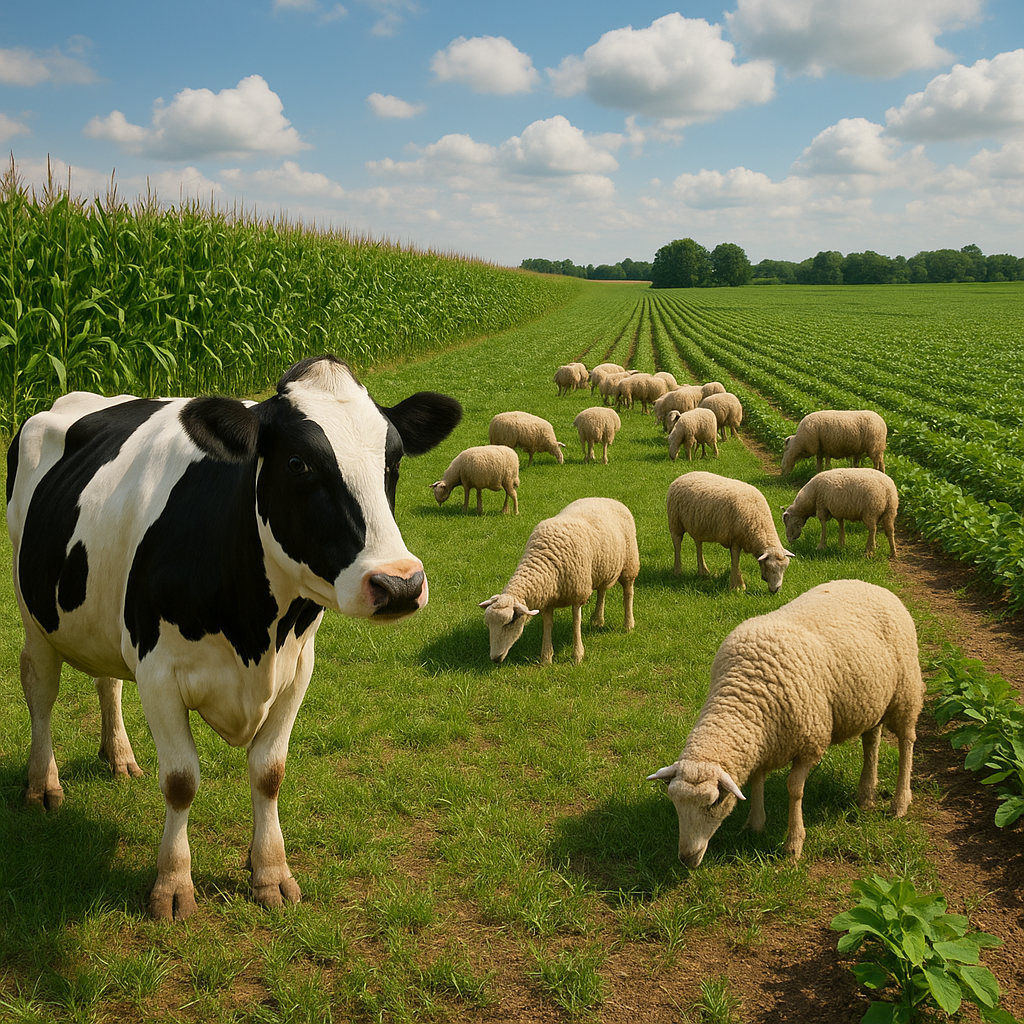
Managing a mixed farming system involves integrating crop cultivation with livestock production to create a balanced and **sustainable** operation. By combining different enterprises, farmers can achieve greater **diversity**, enhance **productivity**, and improve **soil health** while optimizing resource use. This guide explores practical tips and strategies to help you establish and maintain an efficient mixed farm, from selecting complementary enterprises to implementing advanced management practices.
Selecting Complementary Enterprises
Choosing the right combination of crops and animals is the foundation of a successful mixed farming operation. Focus on pairing enterprises that generate mutual benefits and reduce external inputs.
Understanding On-Farm Synergies
- Identify natural **synergy** between crops and livestock. For example, legume cover crops can fix nitrogen, reducing the need for synthetic fertilizers before planting cereals.
- Use livestock manure as an organic fertilizer to enhance nutrient cycling. This practice not only boosts soil fertility but also lowers waste management costs.
- Consider integrating poultry in orchards or vineyards to control pests and provide manure under tree canopies.
Assessing Resource Availability
- Evaluate your land’s topography, soil types, and water access to determine which enterprises will thrive. Well-drained fields suit root crops and cereals, while wetter sections may support pasture or aquatic fodder.
- Calculate your labor and machinery capacity. Mixed farming can be labor-intensive; ensure you have the workforce and equipment to manage planting, harvesting, and animal care efficiently.
- Examine market demand and local infrastructure. Diversify with products that have reliable outlets, such as dairy, eggs, or specialty grains.
Optimizing Resource Use and Crop-Livestock Integration
Efficient use of on-farm resources is critical for reducing costs and improving system **efficiency**. Proper integration of crops and animals can boost overall yields and enhance ecosystem services.
Crop Rotation and Soil Health
- Design a crop rotation plan that alternates between cereals, legumes, and forage crops. Rotating crops breaks pest and disease cycles and enhances soil structure.
- Include deep-rooted species to alleviate soil compaction and improve water infiltration. Examples include alfalfa, chicory, or rapeseed.
- Apply manure or compost after grazing periods to replenish organic matter. Well-timed applications can reduce erosion and promote a robust soil microbiome.
- Adopt minimal tillage methods when possible to preserve soil aggregates and reduce fuel consumption.
Grazing Management and Nutrient Cycling
- Implement rotational grazing to maximize forage **productivity** and prevent overgrazing. Divide pastures into paddocks and move livestock frequently to allow vegetation recovery.
- Monitor sward height and plant composition to adjust stocking rates. Optimal rest periods encourage root regrowth and maintain species diversity.
- Utilize buffer strips or riparian zones to trap sediment and filter nutrients before runoff reaches water bodies.
- Integrate multi-species grazing, such as sheep and cattle, to exploit different plant preferences and distribute manure evenly across fields.
Implementing Sustainable Management Practices
Long-term success depends on **sustainability**—balancing production goals with environmental stewardship and economic viability. Adopt strategies that conserve resources and enhance farm resilience.
Water Management Strategies
- Invest in efficient irrigation systems, such as drip or micro-sprinklers, to minimize water waste and reduce disease risk in crops.
- Harvest rainwater using ponds or reservoirs. Stored water can support livestock during dry periods and refill irrigation systems at critical growth stages.
- Maintain proper drainage to prevent waterlogging in low-lying fields. Tile drains or open ditches can help control excess moisture.
- Use moisture sensors and weather forecasting tools to apply water precisely when plants need it most, limiting evaporation and runoff.
Monitoring and Adaptation
- Keep detailed records of planting dates, yields, animal performance, and input usage. Data-driven decisions enable continuous **management** improvements.
- Conduct regular soil tests to track nutrient levels and pH, adjusting fertilization plans accordingly.
- Monitor livestock health and growth rates to refine breeding and feeding protocols. Early detection of disease can prevent costly outbreaks.
- Be prepared to adapt to climatic fluctuations. Drought-resistant crops or drought-tolerant pastures can safeguard production during water shortages.
Successfully managing a mixed farming system requires careful planning, vigilant monitoring, and a willingness to innovate. By leveraging the interactions between crops and animals, you can enhance **diversity**, boost overall farm **productivity**, and build a more **resilient** agricultural enterprise.