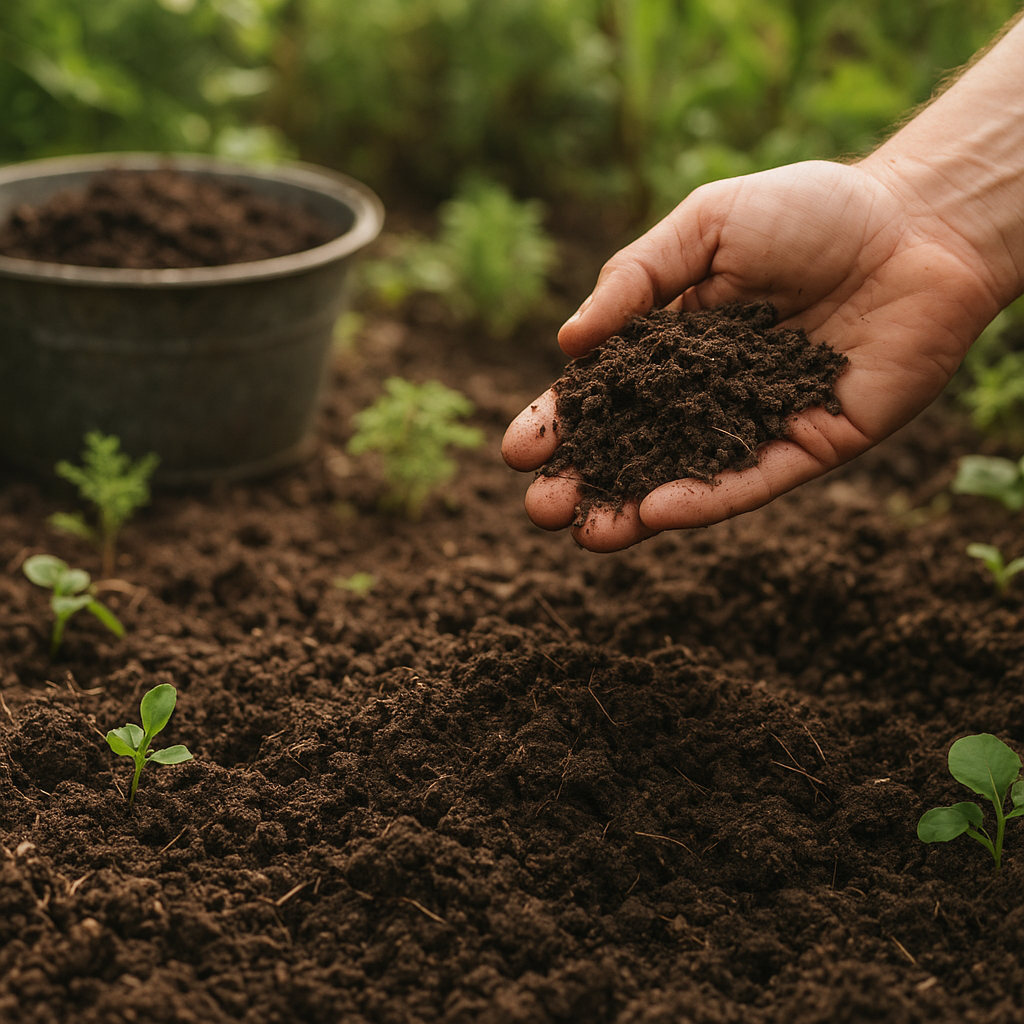
Improving soil structure through natural methods not only enhances plant growth but also promotes long-term sustainability, water conservation, and ecosystem health. By focusing on organic inputs, biological activity, and minimal disturbance, growers can transform compacted, poorly draining ground into a thriving medium that supports robust root systems and higher yields.
Understanding Soil Structure and Its Importance
What Is Soil Structure?
Soil structure refers to the arrangement of individual soil particles—sand, silt, and clay—into aggregated clusters called peds. These aggregates determine the size and distribution of pores, which influence air movement, water infiltration, and root penetration. A well-structured soil displays a crumbly appearance and dissolves easily in water, while poorly structured soil may form hard clods or surface crusts.
Why Good Structure Matters
- Water Retention: Proper aggregation allows the soil to hold moisture at levels that support plant roots without waterlogging.
- Aeration: Air spaces between aggregates promote oxygen flow, fueling microorganisms and root respiration.
- Root Development: Extensive pore networks enable roots to branch out, accessing nutrients efficiently.
- Drainage: Well-structured soil prevents surface runoff and reduces erosion by channeling excess water downward.
Assessing and Diagnosing Soil Conditions
Simple Field Tests
- Ribbon Test: Moisten a bit of soil, roll it into a ribbon. Long ribbons indicate high clay content, which can become compacted.
- Squeeze Test: Apply pressure to a moist soil ball—if it sticks and deforms, it may lack sufficient organic content for proper aggregation.
- Percolation Test: Dig a hole, fill with water, and observe how quickly the water drains. Slow drainage suggests poor pore connectivity.
Observing Physical Signs
- Surface crusting or cracks after rain, indicating shrink-swell cycles typical of unbalanced soils.
- Pooling water suggests low porosity and blocked macropores.
- Scant root mass in soil cores, revealing impeded root penetration and limited nutrient uptake.
Natural Methods to Enhance Soil Structure
Adding Organic Matter
Incorporating organic matter is the cornerstone of natural soil improvement:
- Compost: Rich in nutrients and microbial life, well-aged compost binds particles into stable aggregates.
- Green Manure: Planting cover crops like clover or vetch and then tilling them under adds fresh biomass.
- Manure and Worm Castings: These materials supply both organic carbon and beneficial microbes.
- Biochar: A porous form of charcoal that improves soil porosity and retains bioavailable nutrients.
Implementing Cover Crops and Crop Rotation
Cover crops act as living mulch, shielding the soil surface while their roots grow through compacted layers:
- Legumes (peas, beans): Fix atmospheric nitrogen into the soil, reducing dependence on synthetic fertilizers.
- Grasses (rye, oats): Develop extensive fibrous roots that break up hardpan and lift nutrients from deep layers.
- Cereal–Legume Rotations: Combining different families disrupts pest cycles and balances nutrient extraction.
Reducing Soil Disturbance
Adopting no-till or minimal tillage systems preserves natural aggregate structure. Frequent plowing can destroy delicate networks of roots and microbial highways. Instead, direct-seed into residues or use shallow cultivation to control weeds without upheaving the soil profile.
Promoting Biological Activity
Healthy populations of earthworms, fungi, and bacteria are essential for natural aggregate formation. Encourage these organisms by:
- Maintaining a steady carbon:nitrogen ratio in amendments.
- Avoiding excessive chemical inputs that harm beneficial fauna.
- Providing diverse organic materials, from plant residues to animal byproducts.
Practical Management Tips
Mulching and Surface Cover
Applying straw, wood chips, or grass clippings guards the soil against erosion, moderates temperature fluctuations, and slowly releases nutrients as it decomposes. Mulch also fosters a microclimate for soil fauna to thrive and maintain aggregate stability.
Managing Water Effectively
- Install swales or contour terraces to slow runoff and encourage infiltration.
- Use drip irrigation to target root zones and avoid surface sealing from overhead watering.
- Employ rain gardens or buffer strips to capture and filter runoff before it leaves the field.
Avoiding Soil Compaction
Heavy machinery can compress pore spaces, so:
- Limit field traffic during wet conditions when soil is most vulnerable.
- Use lightweight equipment or track systems to distribute weight evenly.
- Designate permanent paths for vehicle movement, confining compaction to known areas.
Long-Term Strategies for Resilient Soil
Building Aggregate Stability
Over time, repeated organic additions and minimal disturbance foster the growth of glomalin-producing fungi and other binding agents. This leads to robust macroaggregates that resist erosion and support higher biological diversity.
Monitoring and Adaptive Management
Regularly test soil texture, organic carbon levels, and infiltration rates to track improvements. Adjust practices—such as the rate of compost application or choice of cover crops—based on observed results and seasonal goals.
Incorporating these natural approaches to soil structure enhancement creates a self-reinforcing cycle: better aggregation leads to healthier plants, which produce more organic residues, further strengthening the soil matrix. By prioritizing structure, aggregation, and ecological balance, growers can cultivate fields that are both productive and regenerative for generations to come.