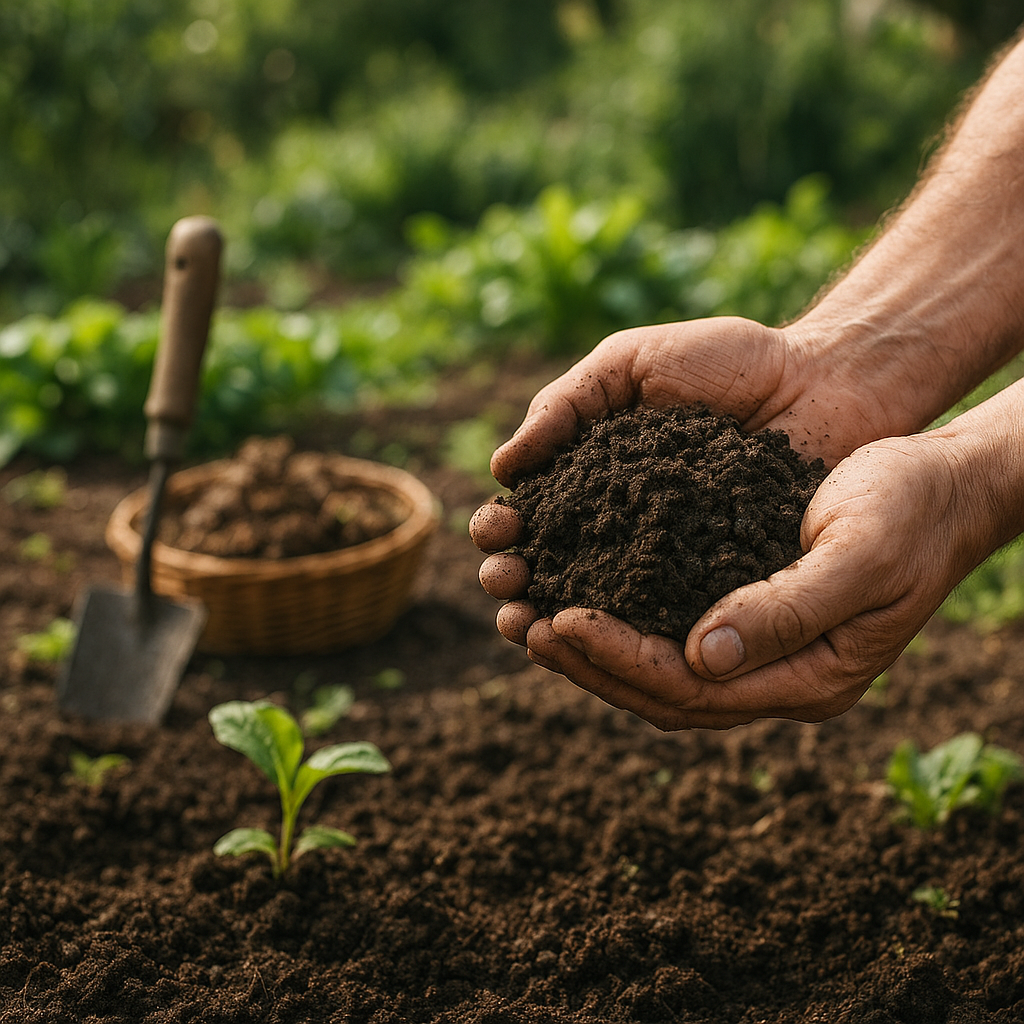
Healthy soil is the foundation of a productive and sustainable farm. By focusing on natural methods and time-tested practices, farmers can enhance soil fertility, boost crop yields, and protect the environment. This guide offers practical advice on improving soil health using organic inputs, conservation approaches, and thoughtful land management.
Understanding Soil Composition
Before implementing any amendments, it’s crucial to grasp the basic structure and function of soil. Soil is a complex mixture of mineral particles, organic matter, water, air, and living organisms. Each component plays a vital role in providing nutrients, maintaining moisture, and supporting root growth.
Soil Texture and Structure
- Sandy soil drains quickly but holds fewer nutrients.
- Clay soil retains water and minerals but may suffer from compaction.
- Loamy soil balances water retention and aeration, ideal for most crops.
The Role of Living Organisms
A single teaspoon of healthy soil may contain billions of bacteria, fungi, protozoa, and nematodes. These microorganisms and earthworms break down organic residues, release nutrients, and create stable soil aggregates. Encouraging a diverse soil biome enhances nutrient cycling and disease suppression.
Natural Amendments and Organic Matter
Adding organic materials is one of the most effective ways to improve soil fertility. Organic amendments increase water-holding capacity, feed beneficial biology, and reduce reliance on synthetic fertilizers.
Compost and Manure
- Compost: Well-decomposed plant material rich in humus. Apply 1–3 inches annually.
- Manure: A valuable source of nitrogen, phosphorus, and potassium. Use aged or composted manure to prevent pathogens.
Green Manure and Cover Crop Residues
Legumes such as clover, vetch, and peas fix atmospheric nitrogen, boosting soil fertility when plowed under. Non-legume cover crops like rye and oats contribute biomass and prevent erosion.
Mulching Techniques
- Straw or wood chips conserve moisture and regulate temperature.
- Organic mulch decomposes slowly, adding organic matter over time.
Cover Cropping and Crop Rotation
Planting cover crops and rotating field crops are proven strategies to maintain soil health, manage pests, and optimize nutrient use.
Cover Crop Strategies
- Create a dense protective canopy to minimize weed competition.
- Select species with deep roots to break up hardpan layers.
- Terminate cover crops at flowering to maximize nitrogen content.
Benefits of Rotation
Rotating cereals, legumes, and brassicas reduces disease pressure and balances nutrient demands. For example, following heavy nitrogen feeders like corn with soybeans helps restore soil pH balance and nutrient availability.
Managing Soil Moisture and pH
Water and pH are critical factors that influence nutrient uptake and microbial activity. Proper management can prevent nutrient lock-up and drought stress.
Effective Irrigation Practices
- Drip irrigation delivers water directly to root zones, reducing evaporation losses.
- Scheduling based on soil moisture sensors prevents overwatering and compaction.
Maintaining Optimal pH
Most crops thrive in a pH range of 6.0–7.0. Lime or wood ash can raise pH in acidic soils, while elemental sulfur or organic acids help correct alkalinity. Regular soil tests allow precise adjustments.
Implementing Conservation Practices
Long-term soil health depends on minimizing disturbance and protecting against degradation. Conservation practices maintain a thriving ecosystem both above and below the ground.
Reduced Tillage and No-Till
- Limiting tillage preserves soil structure and reduces erosion.
- No-till systems increase organic carbon content and support microbial diversity.
Contour Farming and Terracing
On sloped land, planting along contours or creating terraces slows water runoff and prevents topsoil loss. These methods are especially effective for controlling erosion.
Windbreaks and Shelterbelts
- Rows of trees or shrubs around fields reduce wind speed, protecting soil from wind erosion.
- They also provide habitat for beneficial wildlife and pollinators.
Monitoring and Continuous Improvement
Regular observation and data collection help fine-tune soil management practices. Establishing baseline soil tests and tracking changes over seasons ensures that interventions deliver real benefits.
Soil Testing and Record Keeping
- Test for nutrient levels, organic matter content, and contamination.
- Compare annual results to evaluate the impact of different amendments.
Field Scouting and Visual Indicators
Look for signs of healthy soil: earthworm casts, firm but crumbly aggregates, and vigorous plant roots. Yellowing leaves or stunted growth can indicate nutrient deficiencies or pH imbalances.