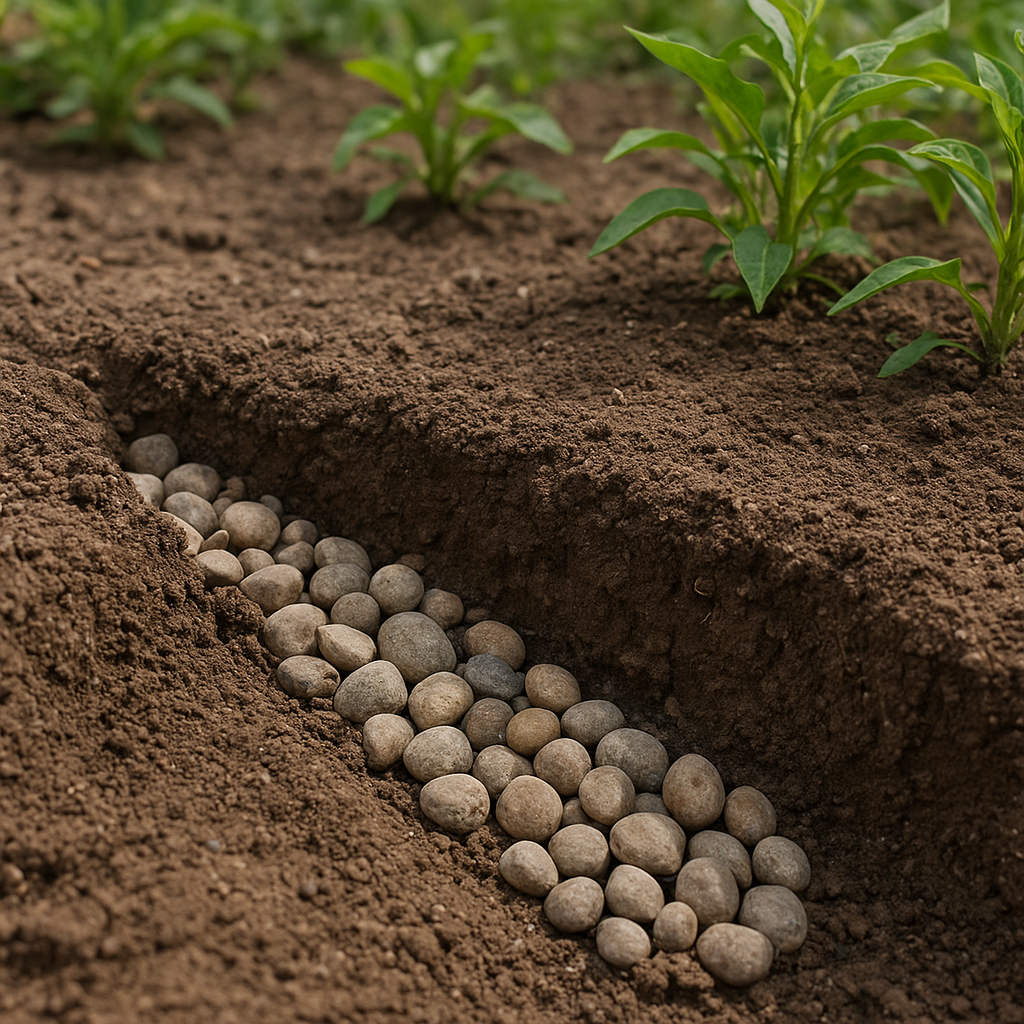
Improving soil drainage is essential for healthy plant growth and sustainable agriculture. Poorly drained soils can lead to waterlogged roots, nutrient leaching, and increased disease susceptibility. By implementing natural strategies, gardeners and farmers can boost crop yields, reduce erosion, and foster a thriving ecosystem beneath the surface.
Understanding the Importance of Soil Drainage
Proper soil drainage allows excess water to move away from plant roots, preventing issues like root rot and anaerobic conditions. Well-drained soils also enhance percolation, the process by which water moves through the soil profile, delivering oxygen and nutrients to deeper layers. When drainage is inadequate, water accumulates on or near the surface, creating a hostile environment for most crops and inviting disease-causing pathogens.
Key benefits of good drainage include:
- Improved root aeration and growth
- Reduced risk of soil compaction
- Enhanced nutrient availability
- Minimized surface runoff and erosion
- Better tolerance to heavy rainfall and irrigation
Evaluating drainage early in your planning stage helps you choose the right crops and design effective water management systems.
Assessing Your Soil Conditions
Before applying any amendments, perform a thorough site analysis:
- Soil Texture Test: Combine a handful of moist soil in a jar, add water, shake vigorously, and let it settle. Sand particles drop first, followed by silt, then clay. A high clay content suggests poor natural drainage.
- Percolation Test: Dig a hole about 12 inches deep and fill it with water. Observe how long it takes to drain. More than 4 hours per inch indicates a drainage problem.
- Visual Inspection: Look for standing water, patches of algae, or moss, all signs of prolonged moisture. Pay attention after heavy rains.
- Soil Structure Observation: Healthy soil has loose, crumbly aggregates. Dense, plate-like or blocky aggregates point toward compaction and poor water movement.
Document your findings and map out problematic zones in your field or garden. This will guide targeted interventions and help measure progress over time.
Natural Techniques to Enhance Drainage
1. Incorporating Organic Matter
Adding organic matter such as compost, well-rotted manure, or leaf mold improves soil structure by creating stable aggregates. These aggregates increase pore space, allowing water to infiltrate more quickly. Aim for at least 2–4 inches of organic amendment worked into the top 6–8 inches of soil before planting.
- Compost enriches soil with nutrients and encourages beneficial microorganisms.
- Worm castings boost water-holding capacity while preventing compaction.
- Green manures (cover crops) like clover or vetch can be tilled under to add biomass.
2. Creating Raised Beds and Contours
Raised beds elevate the root zone above the natural soil level, improving drainage naturally. They warm up faster in spring and dry out sooner after rain. When constructing:
- Use untreated wood, stone, or cob to frame beds.
- Fill with a well-balanced mix of topsoil, compost, and coarse sand or perlite.
- Design bed width for easy access—typically 3 to 4 feet wide.
- In sloped areas, consider contour beds to slow water flow and prevent erosion.
3. Employing Coarse Amendments
In heavy clay soils, incorporate coarse materials like coarse sand, perlite, or small gravel to break up dense layers. Be cautious: too much fine sand can worsen compaction by forming a cement-like structure. A safe ratio is no more than 10–20% by volume. Mix thoroughly with topsoil and organic matter.
4. Establishing Deep-Rooted Plants
Deep-rooted species such as alfalfa, chicory, and certain grasses can penetrate compacted layers, creating natural channels for water movement. Their roots decompose to form stable macropores, further enhancing percolation. Rotate these plants with your main crops to maintain soil health.
5. Installing Biodegradable Drainage Mats
Biodegradable mats made from coir (coconut fiber) or jute can be laid beneath soil to assist water flow. These mats encourage root penetration and gradually break down, enriching the soil with organic carbon. Place them at the base of raised beds or in sunken planting areas prone to waterlogging.
6. Mulching and Surface Cover
Mulching helps maintain consistent moisture, prevents surface crusting, and reduces compaction from raindrops. Organic mulches like straw, wood chips, or pine needles slowly decompose, adding nutrients and improving structure. Keep a 2–3 inch layer, ensuring it doesn’t smother plant stems.
Maintenance and Monitoring Practices
Improving drainage is not a one-time effort. Continuous care ensures lasting results:
- Regular Soil Testing: Check pH, nutrient levels, and organic matter content annually. Adjust amendments based on test results.
- Rotational Cover Cropping: Alternate deep-rooted and nitrogen-fixing cover crops to balance soil structure and fertility.
- Periodic Tilling or Aeration: Lightly aerate compacted spots using broadforks or aerators. Avoid excessive tilling, which can damage soil structure.
- Observing Plant Health: Yellowing leaves, stunted growth, or fungal issues may indicate drainage problems. Address these signs promptly by improving soil structure or adjusting irrigation.
- Rainwater Harvesting: Collect roof runoff in barrels and release it into the garden through permeable channels, reducing sudden influx of water that can overwhelm drainage systems.
By integrating these natural techniques, you can transform poorly drained soils into productive landscapes. Over time, the combination of organic amendments, smart bed design, and ongoing maintenance will support vigorous root systems, healthier crops, and a resilient agroecosystem.