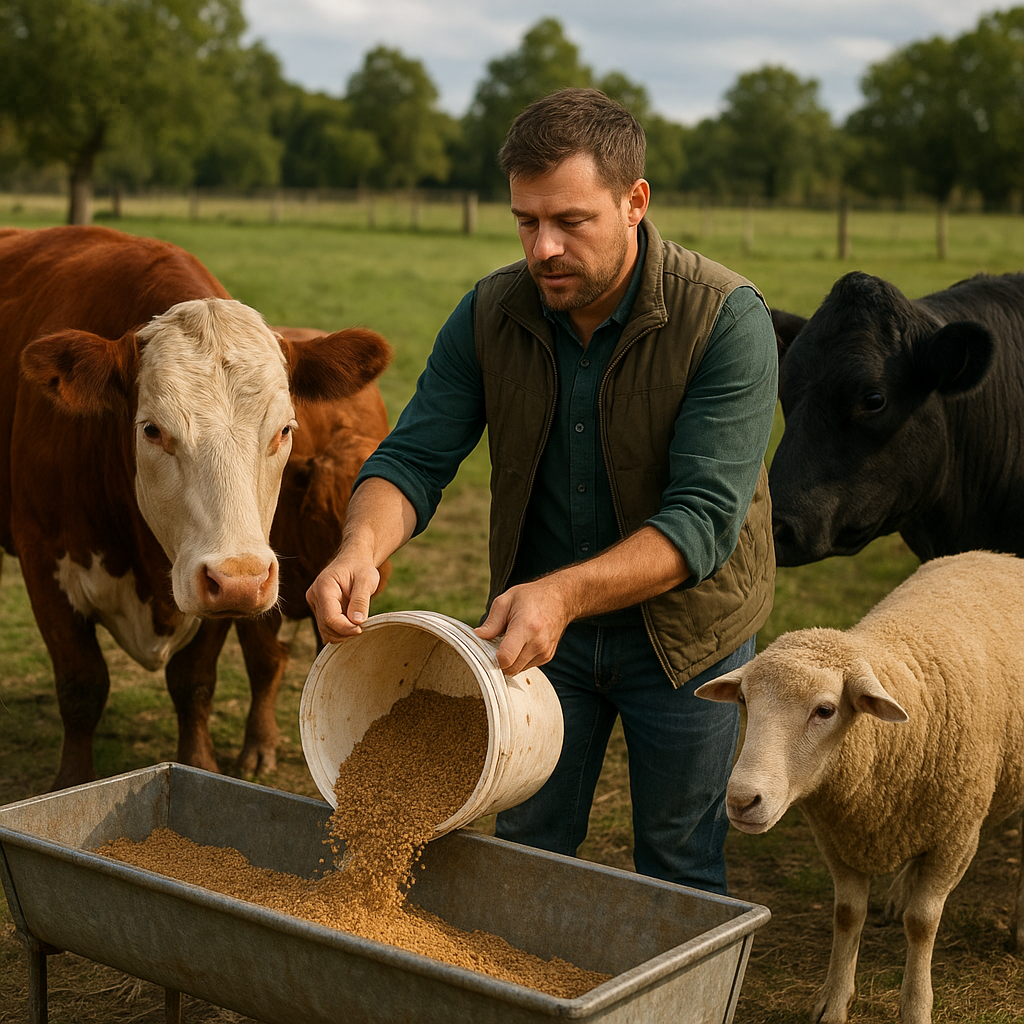
Effective livestock nutrition is a cornerstone of successful animal husbandry. Ensuring your herd or flock receives balanced, nutrient-dense rations not only enhances growth and productivity but also reduces veterinary expenses and environmental impact. This guide offers practical agricultural tips to elevate feeding strategies, maximize nutrient uptake, and support overall animal health.
Understanding Nutritional Needs
Every species, breed, and production stage demands a unique balance of energy, protein, vitamins, and minerals. Recognizing these requirements allows producers to tailor diets that meet specific goals—be it rapid growth, high milk yield, or improved reproductive performance. Key factors influencing nutrient needs include age, genetic potential, physiological state, and environmental conditions.
Energy and Protein Requirements
Energy, measured in calories or megajoules, fuels all metabolic processes from movement to milk synthesis. Forage quality often dictates available energy; poor-quality roughage can limit performance even if quantity is adequate. Likewise, protein is essential for tissue development, milk production, and immune function. Assess crude protein levels in feed and consider supplementation with legumes, oilseed meals, or microbial protein sources to achieve optimal ratios.
Role of Micronutrients
Though required in smaller quantities, vitamins and minerals play critical roles in enzymatic reactions, bone formation, and antioxidant defenses. Trace elements like selenium, zinc, and copper influence reproduction, hoof integrity, and disease resistance. Conduct regular forage and soil tests to detect deficiencies and apply targeted mineral mixes or premixes formulated for specific livestock classes.
Optimizing Feed Formulation
Feed formulation blends ingredients to satisfy nutrient requirements while controlling cost. Advances in feed modeling software enable precise ration balancing. Keep these principles in mind to refine your mix:
- Use high-quality base ingredients: maize, barley, and sorghum for energy; soybean meal, canola meal, or sunflower cake for protein.
- Incorporate fibrous sources: alfalfa, grass hay, or beet pulp to maintain rumen health and promote digestibility.
- Balance roughage-to-concentrate ratio: avoid metabolic disorders like acidosis by ensuring adequate fiber intake, especially in high-producing ruminants.
- Include byproducts judiciously: brewer’s grains, distillers’ dried grains, and vegetable oil residues can reduce feed costs without compromising efficiency.
- Monitor feed quality: store ingredients properly to prevent spoilage, toxin development, or nutrient degradation.
Precision Feeding Strategies
Tailoring feed delivery by weight, age, or production group boosts uniformity and minimizes waste. Technologies like electronic weigh scales, automated feeders, and RFID tagging support precision feeding. Segregate animals into cohorts with similar nutritional demands and adjust rations based on performance metrics and periodic body condition scoring.
Supplementation and Feed Management
Supplementation bridges gaps left by base diets and addresses specific deficiencies or production goals. Choosing the right supplement and managing its delivery are vital steps in a comprehensive nutrition program.
Protein and Amino Acid Supplements
When forage protein is limiting, introduce high-protein supplements such as cottonseed meal, fishmeal, or legume blends. Evaluate amino acid profiles—particularly lysine and methionine—for monogastric species like pigs and poultry. In ruminants, protected or bypass proteins ensure essential amino acids reach the small intestine rather than being degraded in the rumen.
Mineral and Vitamin Blocks
Providing free-choice mineral and vitamin blocks encourages self-regulation of intake according to physiological need. Place blocks in accessible, clean locations to reduce contamination and competition. Rotate block types seasonally to match changing forage quality and animal requirements.
Additives and Feed Enhancers
Feed additives such as probiotics, prebiotics, enzymes, and direct-fed microbials can improve gut health, nutrient absorption, and immune function. Ionophores, yeast cultures, and essential oils are common in ruminant rations to optimize rumen fermentation. Always consult a nutritionist or veterinarian before introducing novel additives to ensure compatibility and proper dosing.
Water and Environmental Considerations
Often overlooked, water quality and accessibility are fundamental to nutrient utilization. Animals may reduce feed intake if water is contaminated, poorly tasted, or in short supply. Maintain clean troughs and check for microbial or mineral contamination periodically.
Hydration and Intake Patterns
Adequate hydration supports feed passage, thermoregulation, and milk synthesis. Provide fresh water at multiple points, especially during hot weather or in large pens. Monitor daily water consumption patterns; sudden drops may indicate illness, equipment failure, or palatability issues.
Climate Adaptation
Environmental temperature, humidity, and housing ventilation directly influence energy requirements. During heat stress, prioritize palatability by offering cooler feed, adding wet byproducts, or providing shade and misting systems. In colder climates, increase energy density to meet elevated maintenance needs and prevent weight loss.
Monitoring and Assessment
Continuous evaluation ensures nutrition plans remain aligned with production goals. Implement systematic monitoring protocols to detect issues early and adjust strategies as needed.
Body Condition Scoring and Growth Tracking
Use standardized scoring systems to assess fat reserves and muscle development. Regular weighing or girth measurements reveal growth trends and highlight underperforming groups. Correlate feed intake records with weight gains to calculate feed conversion ratios and identify inefficiencies.
Health Indicators and Laboratory Testing
Maintain herd health through periodic blood, milk, or fecal tests to evaluate mineral status, metabolic markers, and pathogen presence. Early detection of nutritional imbalances—such as hypocalcemia or ketosis—allows for prompt dietary correction.
Record Keeping and Data Analysis
Accurate records of feed deliveries, ingredient costs, performance metrics, and lab results support data-driven decisions. Employ spreadsheets or specialized farm management software to track trends, calculate ration costs, and forecast herd requirements. Data insights help refine feed formulas, optimize budgets, and improve profitability.