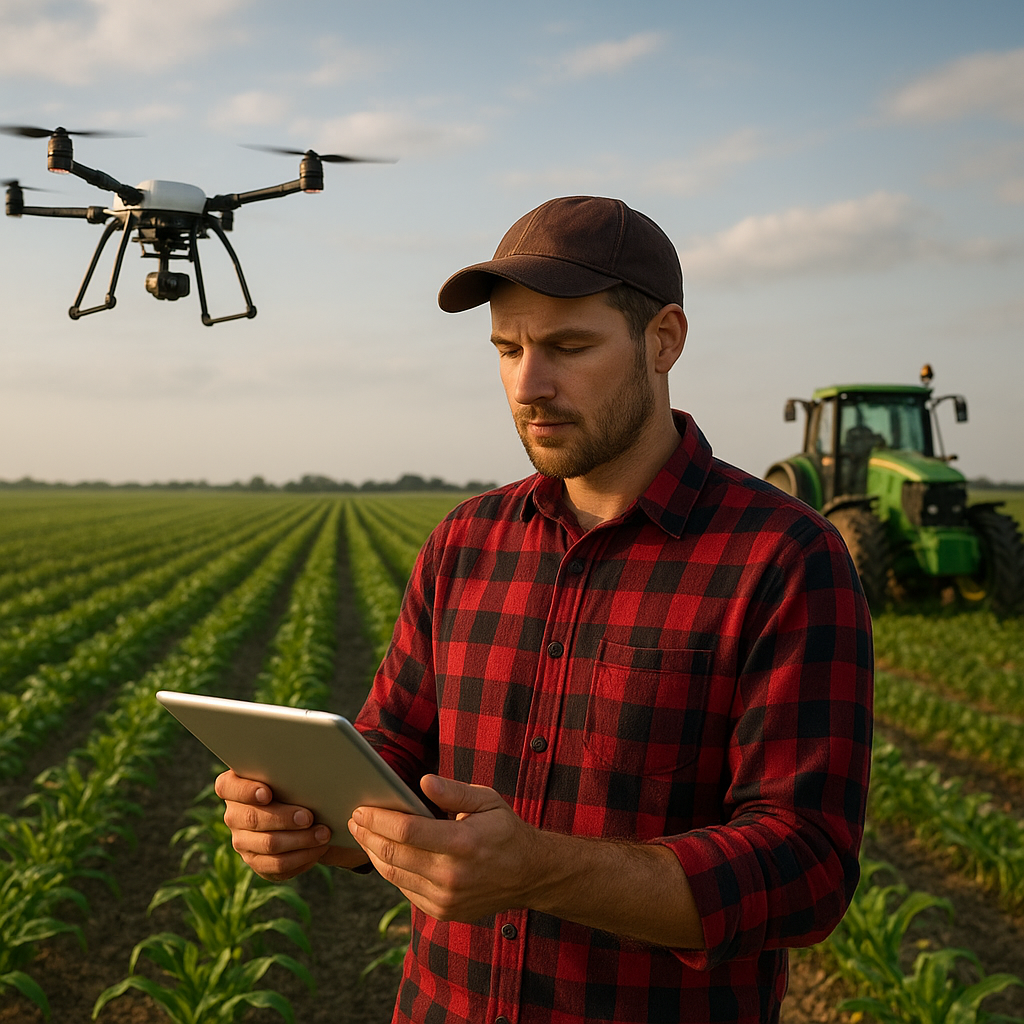
Embracing modern solutions can transform traditional farming into a high-yield, cost-effective operation. By leveraging advanced tools and strategies, growers can optimize resources, reduce waste, and boost overall performance across the entire agricultural cycle.
Precision Agriculture Tools
Precision agriculture uses cutting-edge technology to make every decision more data-driven and efficient. Implementing these innovations leads to better crop management and higher yields with fewer inputs.
Drone Surveillance
Drones equipped with multispectral cameras provide real-time field imagery. Farmers can spot pest outbreaks, nutrient deficiencies, and water stress long before they become critical. This aerial perspective enables targeted intervention exactly where problems emerge:
- High-resolution mapping of soil variability
- Monitoring crop health with NDVI (Normalized Difference Vegetation Index)
- Assessing plant biomass and growth stages
By reducing blanket spraying and indiscriminate treatment, drone surveillance enhances efficiency and lowers chemical use.
Soil Moisture Sensors
Accurate moisture data is crucial for ideal irrigation scheduling. Placing sensor probes at different depths reveals the water profile throughout the root zone. Key benefits include:
- Preventing over- or under-watering
- Improving water-use sustainability
- Minimizing nutrient leaching
Automated irrigation systems can integrate directly with sensors, turning on only when soil moisture falls below a predefined threshold. This approach maximizes crop health while conserving valuable water resources.
Automated Machinery and Robotics
Automation and robotics are driving a new era in farm labor, tackling the challenges of workforce shortages and rising labor costs.
Autonomous Tractors
GPS-guided tractors and self-steering implements ensure precise field operations day or night. Advantages include:
- Reduced human error during seeding and spraying
- Optimized fuel consumption through efficient routing
- Continuous operation even in low-visibility conditions
Integrating these vehicles with farm management software allows seamless data logging of tasks, promoting better planning for future seasons.
Robotic Harvesters
Specialized robots for picking fruits, vegetables, and nuts enhance harvest speed and quality. They use machine vision and AI algorithms to:
- Differentiate ripe from unripe produce
- Handle delicate crops with minimal bruising
- Adjust picking techniques based on fruit size and shape
Deploying robotic harvesters reduces labor bottlenecks, improves consistency, and allows growers to harvest at optimal times for peak flavor and shelf life.
Data Management and Analytics
Data is the foundation of modern farming. Consolidating information into a unified platform turns raw numbers into actionable knowledge.
Farm Management Software
Cloud-based farm management information systems (FMIS) centralize tasks such as input tracking, finance monitoring, and compliance reporting:
- Record-keeping for seed, fertilizer, and pesticide applications
- Cost and revenue analysis per field or crop
- Automated alerts for maintenance schedules and regulatory deadlines
With historical data at their fingertips, farmers can identify trends and make projections, optimizing resource allocation for maximum profitability.
Supply Chain Integration
Connecting farm operations to logistics, processing, and retail channels enhances traceability and market responsiveness. Key elements include:
- Real-time inventory management
- Blockchain-based record of product origin and handling
- Dynamic pricing tied to supply and demand signals
Such integration fosters trust with buyers and consumers, opening premium market opportunities for high-quality, transparently sourced produce.
Sustainable Technology Solutions
Environmental stewardship and economic success go hand in hand. Sustainable technologies preserve ecosystems while ensuring long-term farm viability.
Solar-Powered Equipment
Solar arrays and photovoltaic modules can power irrigation pumps, electric fences, and remote sensors. Benefits include:
- Lowering electricity and diesel costs
- Reducing greenhouse gas emissions
- Providing off-grid energy in remote areas
Combining solar power with battery storage ensures uninterrupted operation during cloudy days and at night.
Controlled-Environment Agriculture
Greenhouses, vertical farms, and hydroponic systems allow precise control over temperature, humidity, and nutrient delivery. This approach yields:
- Year-round production independent of outdoor weather
- Water savings up to 90% compared to field cultivation
- Dense planting for higher output per square meter
Implementing automated climate control, LED lighting, and nutrient dosing systems maximizes growth rates and supports sustainable urban farming initiatives.
Connectivity and IoT Networks
Robust connectivity forms the backbone of any modern farm ecosystem. Integrating sensors, machinery, and platforms through the Internet of Things (IoT) enables seamless communication and remote management.
Wireless Sensor Networks
Low-power wide-area networks (LPWAN) such as LoRaWAN and NB-IoT allow farms to deploy sensors across vast fields. These networks support:
- Real-time monitoring of microclimates
- Automatic data uploads without manual retrieval
- Scalable infrastructure for future device additions
With constant data streams, farmers can detect anomalies early, from frost risk to irrigation leaks.
Remote Monitoring Platforms
Mobile apps and web dashboards provide a consolidated view of field conditions, equipment status, and performance metrics. Core features include:
- Push notifications for critical thresholds
- Interactive maps with layered data visualization
- Control interfaces to adjust settings on connected devices
Remote access ensures that even off-site managers can oversee operations, respond to alerts, and maintain optimal farm function.
Training and Adoption Strategies
Technology alone cannot drive success; farmers and staff need the skills to harness its full potential.
Hands-On Workshops
Practical training sessions demonstrate equipment operation, data interpretation, and maintenance routines. Topics often cover:
- Calibrating sensors and drones
- Configuring software dashboards
- Troubleshooting common technical issues
On-site demonstrations under real-world conditions accelerate learning and confidence.
Collaborative Networks
Joining cooperatives, research partnerships, or digital communities connects growers to the latest insights and best practices. Benefits of collaboration include:
- Sharing case studies and success stories
- Accessing expert advice and extension services
- Pooling resources for bulk purchases or joint investments
These networks foster innovation diffusion, ensuring that small and large operations alike stay at the cutting edge.
Future Trends in Agri-Tech
Emerging technologies promise to propel farm productivity and sustainability even further. Key trends to watch:
- Artificial Intelligence for advanced yield prediction
- 5G connectivity to support ultra-low latency control
- Biotechnology innovations for climate-resilient crop varieties
- Autonomous aerial and ground fleets collaborating in real time
- Augmented reality (AR) tools for immersive field diagnostics
Staying informed about these developments helps growers plan investments and adapt strategies proactively.