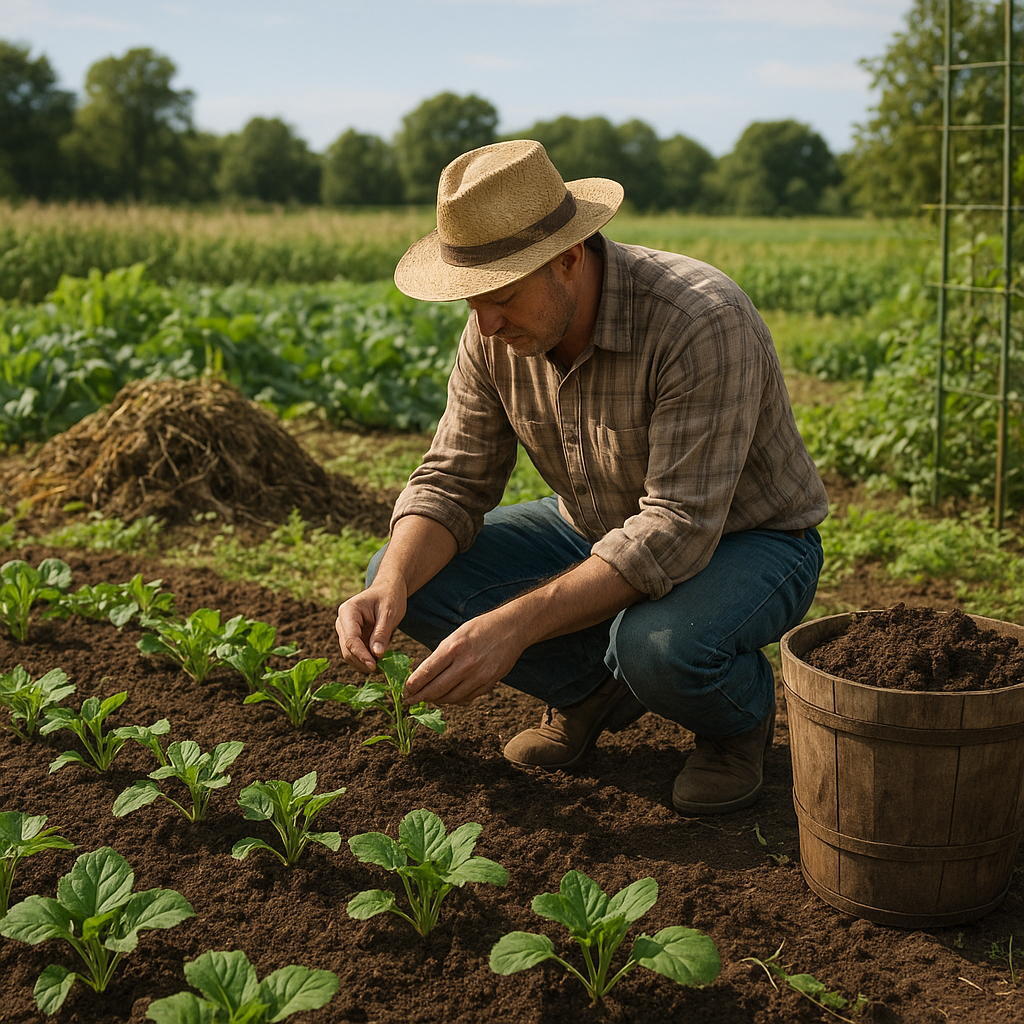
Growing healthy crops without relying on synthetic fertilizers demands a combination of traditional wisdom, modern research, and attentive management of the land. By focusing on natural nutrient sources, soil biology, and ecological balance, farmers and gardeners can achieve robust yields, improve long-term soil fertility, and reduce environmental impact.
Enhancing Soil Fertility with Organic Inputs
Building fertile soil is the foundation of successful agriculture. Rather than applying straight chemical NPK formulas, consider enriching the land with a balanced mix of organic matter and nutrient-rich amendments.
- Compost
- Create a diverse compost pile using kitchen scraps, yard trimmings, and small amounts of animal bedding. Proper aeration and moisture control foster beneficial microorganisms that transform raw materials into stable humus.
- Apply finished compost as a side dressing or incorporate it into planting trenches to gradually release nutrients and improve soil health.
- Green Manure and Cover Crops
- Plant legumes such as clover, vetch, or beans in fall or spring to capture atmospheric nitrogen through symbiosis with rhizobia bacteria.
- Turn green manure crops into the soil before they flower, allowing them to release captured nutrients and organic matter, boost soil structure, and suppress weeds.
- Animal Manure
- Aged or composted manure from cows, poultry, or horses provides a concentrated source of nitrogen, phosphorus, and potassium.
- Ensure manures are well-composted to avoid burning young roots and to reduce potential pathogens or weed seeds.
- Rock Minerals
- Incorporate rock dusts (e.g., basalt, granite) to supply trace elements like magnesium, iron, and zinc that synthetic blends often overlook.
- These slow-releasing minerals support overall plant vigor and long-term soil resilience.
Implementing Crop Rotation and Companion Planting
Diversifying cropping patterns breaks pest and disease cycles, balances nutrient demands, and encourages beneficial interactions among plants.
- Crop Rotation
- Divide your planting area into blocks and rotate families (e.g., brassicas, nightshades, legumes, cereals) each season or year.
- Rotating between deep-rooted and shallow-rooted crops reduces soil compaction, exploits different nutrient layers, and interrupts host-specific pests.
- Companion Planting
- Pair complementary species—such as corn, beans, and squash in the classic “Three Sisters” guild—to maximize space and nutrient sharing.
- Plant marigolds near tomatoes to deter nematodes or basil alongside peppers to enhance flavor and discourage insects.
- Intercropping
- Sow fast-growing radishes among slower brassicas to optimize land use and provide early harvests while main crops develop.
- Intercropping cereals with legumes can improve overall nitrogen availability and reduce need for external inputs.
Promoting Soil Microbial Life through Teas and Inoculants
A thriving soil food web is a powerful fertilizer factory. Stimulating microbial activity ensures plants receive a steady supply of nutrients.
- Compost Tea
- Steep mature compost in aerated water for 24–48 hours, adding a small sugar source (e.g., molasses) to feed beneficial bacteria and fungi.
- Apply as a foliar spray or drench to introduce active microbes that improve nutrient uptake and suppress pathogens.
- Mycorrhizal Fungi
- Mycorrhizae form symbiotic networks with plant roots, extending root surface area and enhancing phosphorus and water absorption.
- Add granular or powdered inoculants at planting time or coat seeds with a mycorrhizal slurry for better establishment.
- Rhizobium Inoculants
- Legume seeds can be treated with species-specific rhizobia to boost nitrogen fixation efficiency in bean and pea crops.
Conservation Practices for Moisture and Nutrient Retention
Managing water and protecting the soil surface reduces stress on plants and conserves valuable resources.
- Mulching
- Apply organic mulches—straw, wood chips, or leaves—to suppress weeds, moderate soil temperature, and minimize evaporation.
- As mulch breaks down, it adds organic matter and sustains a vibrant community of decomposers.
- Water Management
- Use drip irrigation or soaker hoses to deliver water directly to the root zone, reducing disease pressure and evaporation.
- Group plants with similar moisture needs to maximize irrigation efficiency.
- Terracing and Swales
- On sloped land, build terraces or swales to capture runoff, promote infiltration, and prevent erosion.
Integrating Biodiversity for Pest and Disease Management
Diverse ecosystems maintain checks and balances that keep pests in control and foster resilient crops.
- Beneficial Insects
- Plant insectary strips of alyssum, dill, or fennel to attract hoverflies, lacewings, and parasitic wasps that prey on aphids and caterpillars.
- Provide shallow water dishes with stones for pollinators and predatory insects to drink safely.
- Diverse Polycultures
- Mixing flowers, herbs, and vegetables confuses pests and reduces the chance of large infestations compared to monocultures.
- Polycultures also support greater biodiversity, improving overall system stability.
- Trap Crops
- Sow fast-attracting species (e.g., mustard for flea beetles) on field edges to lure pests away from main crops.