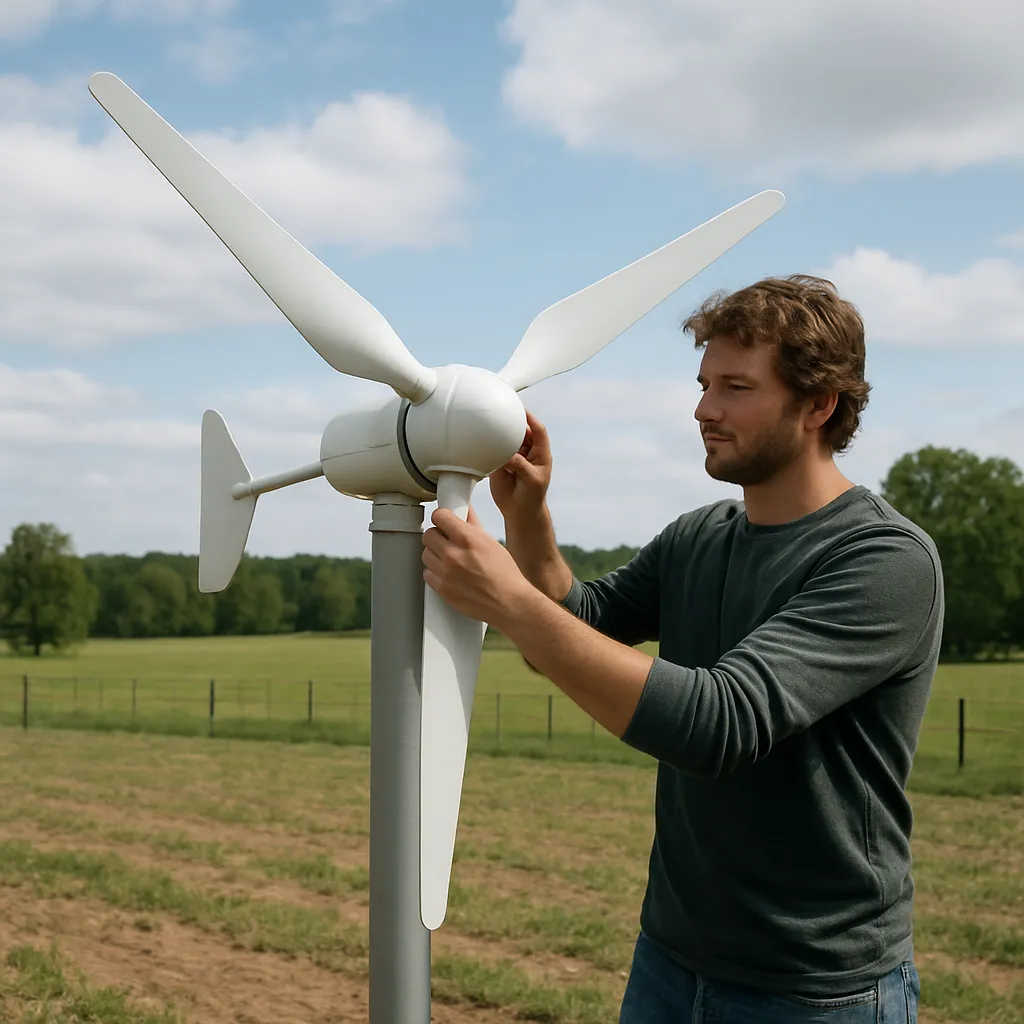
Building a small farm wind turbine is an excellent way to harness the power of the wind for off-grid energy needs. Whether you aim to reduce electricity costs or support an eco-friendly lifestyle, constructing a homemade turbine can be a rewarding DIY project. This guide covers essential tips in agriculture and renewable energy to help you plan, source components, assemble, and maintain a functional turbine system on your farm.
Site Selection and Wind Assessment
Choosing the right location is crucial for maximizing turbine performance. A proper site ensures consistent airflow and minimal turbulence caused by obstructions such as trees, buildings, or hills.
- Wind Speed Measurement: Use an anemometer to record average wind speeds over several weeks. Aim for sites with sustained gusts of at least 10–12 miles per hour.
- Height Consideration: Install the turbine tower at least 30 feet above surrounding obstacles to access stronger winds and reduce vortex interference.
- Topography Analysis: Avoid valleys or depressions that channel gusts irregularly. Open fields or gentle slopes tend to offer more uniform flows.
Mapping historical weather data can refine your assessment. Local agricultural extension offices often provide long-term wind records that help predict the farm’s energy potential. Remember that wind consistency matters as much as raw velocity.
Key Components and Material Selection
Building a robust turbine relies on selecting quality parts that withstand harsh outdoor conditions and deliver optimal efficiency. Below are primary elements to consider:
- Blades: Choose lightweight yet durable materials like fiberglass or high-density polyethylene. Blade length affects output—longer blades capture more energy but require sturdier support.
- Generator: Permanent magnet alternators or repurposed automotive alternators can serve as cost-effective options. Confirm that the generator matches the expected RPM range of your blades.
- Hub and Rotor Assembly: Ensure proper alignment between blade sockets and the central hub. Machined or welded hubs guarantee tighter tolerances and reduce vibration.
- Tail Vane: A tail vane aids in azimuth adjustment, keeping the rotor facing prevailing wind directions. Use lightweight metals or treated plywood for long-term durability.
- Tower and Mounting: Lattice or tubular steel towers offer stability. Incorporate guy wires anchored into concrete footings for additional support in stormy conditions.
- Electrical Components: Charge controllers, inverters, and proper cabling protect batteries from overcharge and maintain system sustainability. Use weatherproof enclosures and UV-resistant wiring.
Assembly and Installation Process
Constructing the turbine involves mechanical, electrical, and safety steps. Follow these phases to ensure a successful build:
1. Blade Fabrication and Balancing
Cut or mold blades to precise airfoil profiles. Balance each blade pair by suspending them on a pivot point—any heavy side should be trimmed or counterweighted to prevent wobble.
2. Hub and Generator Mounting
Secure the generator flange to the hub using high-grade bolts. Align the shaft and rotor bearings carefully to minimize friction. Apply grease to all moving parts for smoother operation.
3. Tower Erection
Assemble the tower sections on the ground, then raise them using a gin pole or small crane. Anchor the base to a concrete pad, checking vertical alignment with a level and theodolite. Tension guy wires evenly to avoid tilting.
4. Electrical Hookup
- Run low-resistance cables from the generator down the tower inside a protective conduit.
- Connect to a charge controller that regulates current flow into the battery bank.
- Install an inverter that transforms DC output into usable AC power for farm equipment.
- Include an overvoltage protection device to guard against spikes during high winds.
Once connected, perform a trial spin to generate initial readings. Monitor voltage, current, and rotor stability before leaving the system unattended.
Maintenance and Safety Protocols
Regular inspection and upkeep are vital to prolonging turbine lifespan and maintaining consistent power delivery. Establish a maintenance schedule covering the following items:
- Blade Integrity: Look for cracks, delamination, or erosion on blade surfaces. Replace or repair damaged sections promptly to avoid imbalance.
- Bearing and Shaft: Lubricate bearings every 3–6 months. Check for unusual noises or play in the rotating assembly, which may indicate wear.
- Guy Wires and Fasteners: Inspect tension and look for corrosion on anchors. Re-tension or replace wires as needed to keep the tower rigid.
- Electrical Connections: Ensure all terminals are tight, free of rust, and well-insulated. Verify charge controller and inverter readings for anomalies.
- Lightning Protection: Ground the tower with copper rods and use surge arrestors to protect electronics during storms.
Prioritize personal safety by shutting down the turbine before climbing the tower or handling moving parts. Wear gloves, safety glasses, and a harness when performing any work at heights.
Optimizing Performance and Troubleshooting
Maximizing energy yield involves regular monitoring and fine-tuning. Use the following strategies to enhance overall system output:
- Efficiency Tracking: Install a data logger to record power curves versus wind speeds. Analyze trends to identify areas for improvement.
- Pitch and Yaw Adjustment: Fine-tune blade pitch angles and tail alignment to maintain optimal rotor orientation in variable wind conditions.
- Vibration Analysis: Employ accelerometers or simple vibration sticks to detect imbalances early. Correct by rebalancing blades or replacing worn bearings.
- Load Matching: Manage farm loads by scheduling high-demand tasks (like pumping water or running grain mills) during peak wind periods.
- Scalability: If initial output falls short, consider adding more blades or upgrading to a larger turbine design that captures greater swept area.
Common troubleshooting issues include low voltage output, excessive noise, or rotor stalls. Address these by checking wiring integrity, cleaning corrosion from generator coils, and ensuring blades spin freely without rubbing the hub.
Final Thoughts
Constructing a small farm wind turbine can empower you to produce clean, off-grid electricity while supporting sustainable agriculture practices. By adhering to proper site assessment, using quality materials, following step-by-step assembly, and performing routine upkeep, you will create a reliable and efficient renewable energy system. Embrace this hands-on project to enhance your farm’s resilience and contribute to a greener future.