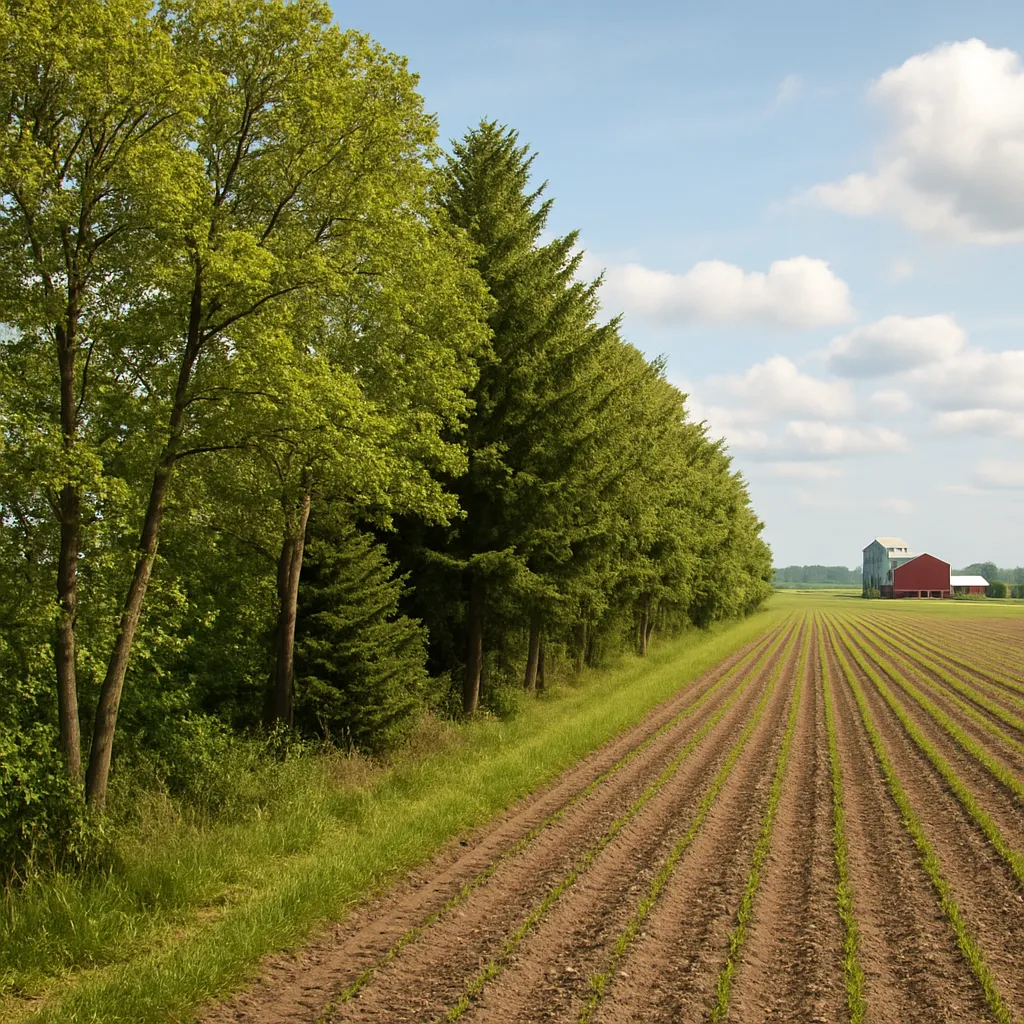
Creating a natural windbreak around your property can transform the way you protect crops, improve microclimates and enhance overall sustainability on the farm. By carefully selecting species, planning layout and committing to proper maintenance, you’ll establish a living barrier that reduces soil erosion, conserves water and fosters biodiversity. This guide walks you through practical steps to design, plant and manage a productive windbreak tailored to your region’s challenges.
Selecting Appropriate Plant Species for Your Windbreak
Choosing the right combination of trees, shrubs and groundcovers is critical. A mixed planting increases structural diversity, encourages beneficial wildlife and creates layered protection. When planning species selection, consider local climate conditions, soil type and long-term growth habits.
Considerations for Tree and Shrub Selection
- Wind resistance and root system strength: Opt for deep-rooted trees like eastern red cedar or willow to withstand strong gusts.
- Fast-growing vs. slow-growing varieties: Balance quick establishment trees (e.g., poplar) with longer-lived hardwoods (e.g., oak).
- Evergreen vs. deciduous: Combine evergreens for year-round buffer and deciduous species for seasonal diversity.
Native vs Non-Native Species
Native species often adapt better to local pests, diseases and soil conditions. Introducing a few non-invasive exotics can add variety, but prioritize native species to maintain ecological balance. Check with extension services for recommended lists of indigenous trees and shrubs in your area.
Designing and Planting the Windbreak
A well-designed windbreak maximizes shelter without blocking beneficial breezes or sunlight. Thoughtful layout and spacing ensure each plant thrives.
Layout and Spacing
- Row arrangement: Plan multiple staggered rows of alternating heights to disrupt wind flow. Three to five rows offer optimal wind reduction.
- Orientation: Align the longest side of the windbreak perpendicular to prevailing winds for maximum effectiveness.
- Row spacing: Maintain 2 to 4 meters between rows, depending on mature crown widths, to prevent competition and encourage full canopy development.
Soil Preparation and Planting Techniques
Begin by testing soil pH and nutrient levels. Amend heavy clay or sandy soils with organic matter and compost. Dig planting holes twice as wide as root balls and at the same depth the plants were in their containers. Firm soil gently around roots, water in each hole thoroughly, and apply a 5–10 cm layer of mulch to retain moisture and suppress weeds.
Maintenance and Management
Regular care keeps your windbreak healthy and functional. Without proper attention, gaps can develop, reducing effectiveness and increasing vulnerability to storm damage.
Pruning and Growth Control
- Formative pruning in early years: Remove competing leaders and crossing branches to develop a strong central trunk structure.
- Annual inspection: Shear lower branches on evergreens to maintain a dense lower barrier against wind.
- Rejuvenation: Every 8–10 years, selectively thin older trees to open the canopy, promoting new understory growth and preventing stagnation.
Pest and Disease Management
Implement integrated pest management by monitoring insect activity and fungal infections. Encourage natural predators like birds and beneficial insects. If intervention is needed, choose targeted biological controls or low-toxicity treatments to preserve overall biodiversity.
Maximizing Benefits and Integration with Farm Systems
A natural windbreak can deliver more than shelter. By integrating complementary practices, you can enhance productivity across the farm enterprise.
Agroforestry and Multi-Purpose Windbreaks
- Forage production: Include shrubs like sea buckthorn or hazelnut to harvest nuts and berries while providing shelter for livestock.
- Timber and biomass: Plant fast-growing poplars or willows on peripheral rows for future firewood or mulch material.
- Pollinator habitat: Underplant with flowering groundcovers to attract pollinators and beneficial insects.
Microclimate Enhancement
Properly positioned windbreaks can reduce wind speed by up to 75% within a distance equal to 10 times the mature height of the trees. This moderates temperature extremes, cuts heating costs in winter and decreases evaporation rates, conserving soil moisture.
Monitoring Performance and Adapting Over Time
Long-term success relies on observation and flexibility. Track growth rates, wind speed reduction and wildlife activity. Replace failing plants and adjust row configurations when necessary. By staying attentive to evolving conditions, your natural windbreak will continue to deliver robust protection and ecological value for decades to come.