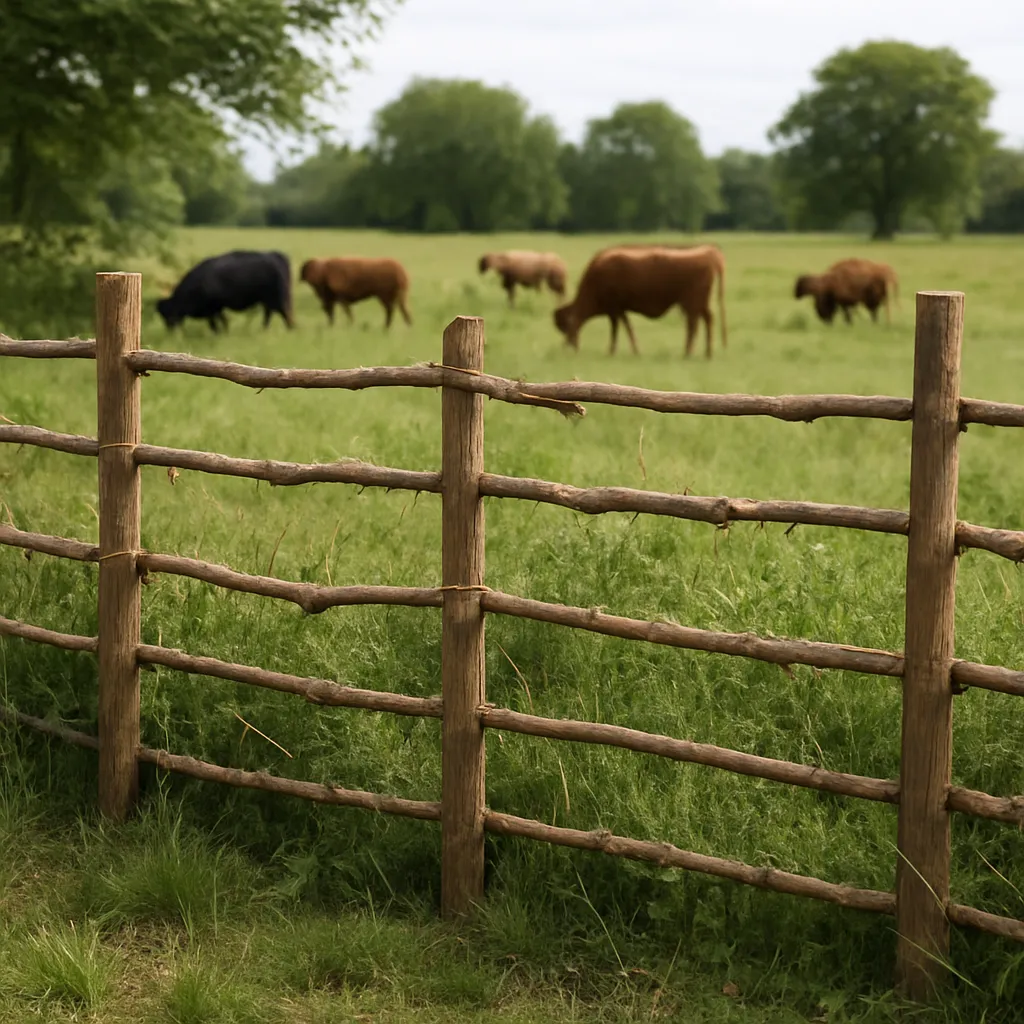
Building a natural fence for livestock not only enhances the aesthetic appeal of your property but also promotes sustainability and supports local wildlife. By choosing living materials or recycled wood, you create a barrier that integrates with the environment, reduces costs, and offers a healthy habitat for beneficial insects and birds. This guide covers essential steps—from selecting the right resources to routine care—to ensure your fence remains durable and effective over time.
Selecting Ideal Natural Materials
Choosing the most appropriate materials is the foundation of a successful natural fence. Your options range from plants and shrubs to reclaimed timber or stone. Each choice has its own set of advantages and maintenance needs.
Living Hedges versus Deadwood Structures
- Living Hedges: Species like hornbeam, hawthorn, and blackthorn can form dense, thorny barriers that deter animals. They offer seasonal flowers, fruit, and foliage for wildlife.
- Deadwood Fences: Utilizing fallen logs, branches, or brush piles creates a rustic look and provides shelter for small creatures. Over time, the wood will decompose, enriching the soil.
Advantages of Native Plants
- Adapted to local climate, reducing watering and fertilization.
- Resistant to local pests and diseases, increasing growth success.
- Supports regional biodiversity, attracting pollinators and birds.
Planning and Layout Strategies
Careful planning ensures your fence aligns with both your livestock’s needs and the natural contour of the land. A well-thought-out design minimizes maintenance and maximizes protection.
Assessing Your Property
- Map out existing boundaries and note slopes, water sources, and high-traffic areas.
- Identify proximity to roads or neighbor properties to determine fence height and density.
- Consider underground roots or rocks that may obstruct planting or installing posts.
Design Considerations
- Width of the fence zone: Allocate at least 2–3 feet for living plant roots or brush layering.
- Staggering plants or logs can create tighter barriers and reduce gaps.
- Incorporate gates or removable sections for easy livestock access during feeding or veterinary care.
Construction Techniques for Durability
Proper assembly techniques make the difference between a fence that lasts decades and one that requires constant repair. Whether you use living materials or reclaimed wood, follow these best practices to build a long-lasting boundary.
Installing Living Hedges
- Dig trenches or individual holes spaced according to each species’ mature spread (generally 12–24 inches apart).
- Amend the planting holes with compost to boost initial growth.
- Use stakes or temporary wire supports until stems establish deep, reliable roots.
- Mulch around the base to conserve moisture and suppress weeds.
Building Brush and Log Barriers
- Layer thick branches at the base to deter digging and nibbling.
- Alternate horizontal and vertical logs to create interlocking strength.
- Secure thicker posts at regular intervals (every 6–8 feet) driven deep into the ground for stability.
- Fasten cross-bracing with natural fiber rope or rustic nails to avoid chemical-treated materials.
Combining Living and Hard Materials
For maximum security, integrate live stakes—willow or poplar rods—into a log framework. These cuttings will root and sprout new shoots, eventually weaving through the wood structure and enhancing strength over time.
Maintenance and Troubleshooting
Even the most robust natural fences require regular attention. Implementing a maintenance schedule ensures your barrier remains functional and attractive.
Routine Inspections
- Walk the fence line monthly to check for broken posts, gaps, or loose barriers.
- Monitor plant health, looking for pest damage or disease, and treat problems early.
- Replenish mulch and compost around living sections every spring and fall.
Repairing Worn Sections
- Replace decayed logs with fresh, untreated wood to maintain durability.
- Prune overgrown branches that may compromise the fence’s barrier function.
- Thicken living hedges by planting additional saplings in sparse areas.
Enhancing Wildlife Benefits
Encourage birds and beneficial insects by allowing portions of the fence to flower or seed. Cut-back sections selectively in late winter to promote vigorous new growth that provides both fresh foliage for livestock and habitat diversity.
Cost-Effective Tips and Final Considerations
Natural fences can be more cost-effective than conventional metal or electric options when you source materials locally. Seek fallen wood in nearby forests (with permission), swap seedlings with fellow farmers, and volunteer for local replanting schemes in exchange for cuttings.
By prioritizing native species and employing simple construction methods, you reduce chemical inputs, support on-farm biodiversity, and create a livestock fence that evolves alongside your land. With consistent maintenance and thoughtful planning, your natural barrier will flourish, blending form and function seamlessly over the seasons.