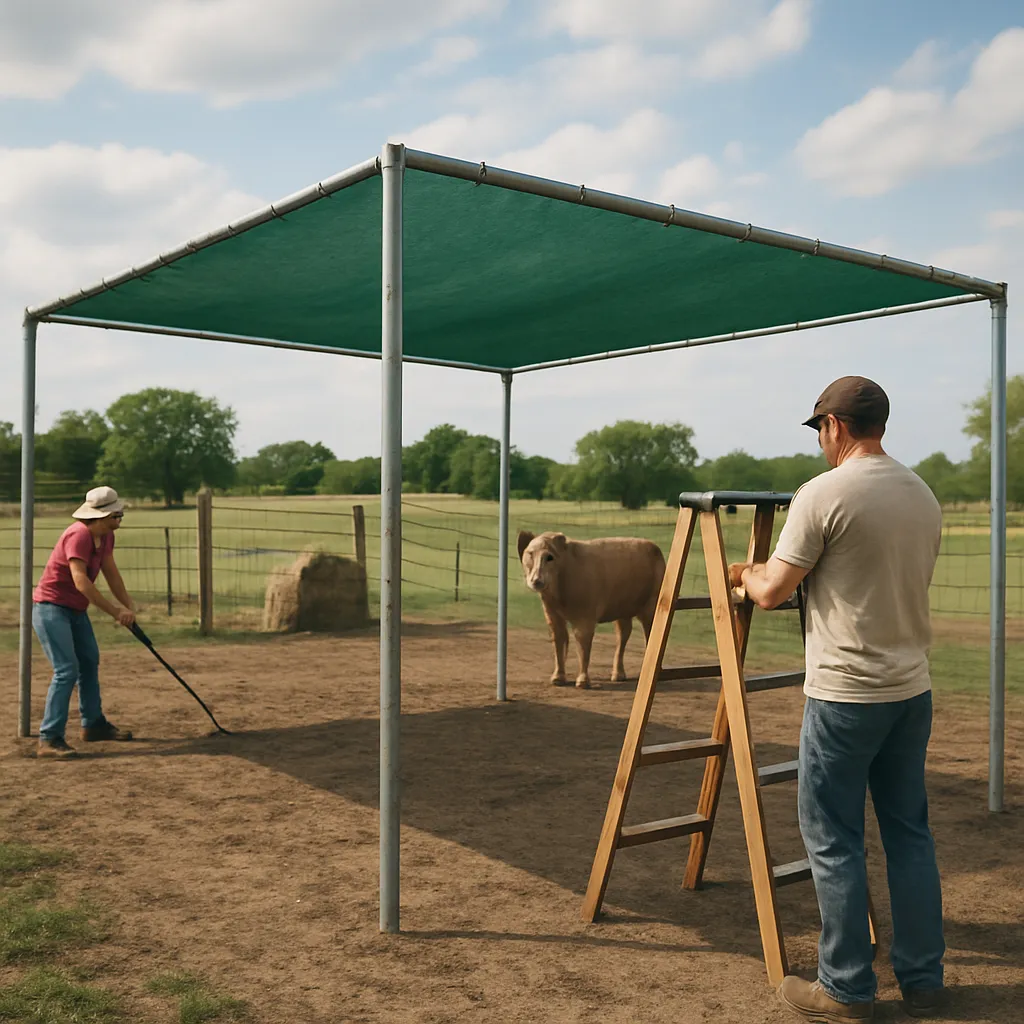
Building a reliable farm shade structure can greatly improve the comfort of livestock, safeguard delicate crops, and enhance overall operational efficiency. A well-designed shade structure reduces heat stress, conserves energy, and prolongs the life of agricultural assets. This guide covers essential tips for planning, sourcing materials, constructing, and maintaining a durable shade system on your farm.
Planning and Design Considerations
Effective planning lays the groundwork for a successful shade structure. Begin by assessing your farm’s specific needs, environmental conditions, and budget constraints. Proper design ensures optimal sunlight management and long-term durability.
Site Selection and Orientation
- Evaluate sun paths to maximize shading during peak heat hours.
- Choose a location with good drainage to prevent water pooling around posts.
- Aim for a south-north orientation to provide uniform protection throughout the day.
Load and Size Calculations
Determine the appropriate dimensions by considering:
- Number of animals or plants requiring shade.
- Local wind speeds and potential snow loads.
- Height requirements for machinery access or ventilation.
Design Features
- Roof pitch: A slope of 5–10 degrees helps with rain runoff.
- Open sides: Encourages air circulation and reduces heat buildup.
- Modular design: Allows future expansions and adjustments.
Materials and Tools Selection
Choosing the right materials is critical to ensure structural integrity and cost-effectiveness. Quality components can minimize maintenance and deliver years of service.
Structural Components
- Foundation: Concrete footings or screw piles to anchor support posts.
- Framework: Galvanized steel or pressure-treated timber for beams and posts.
- Roof panels: UV-resistant shade cloth, corrugated steel, or polycarbonate sheets.
Fasteners and Connectors
Invest in heavy-duty, corrosion-resistant hardware:
- Galvanized nails, screws, and bolts.
- Steel brackets and gusset plates for joint reinforcement.
- Adjustable tensioners for shade cloth installations.
Essential Tools
- Post-hole digger or auger for digging foundations.
- Wrench set and socket drivers for tightening bolts.
- Level and measuring tape for accurate alignment.
- Circular saw or metal cutter, depending on frame choice.
- Protective equipment: gloves, safety glasses, and hard hats.
Construction Steps
Follow a systematic approach to ensure a sturdy assembly and minimize rework. Each step builds on the previous one to create a cohesive structure that stands up to farm conditions.
1. Foundation Installation
- Mark post locations with stakes and strings.
- Dig holes at least 24 inches deep or follow local frost line requirements.
- Pour concrete footings or install screw piles, ensuring vertical alignment with a level.
- Allow concrete to cure for 48 hours before adding load.
2. Erecting the Framework
- Position posts in foundation anchors and secure with bolts or brackets.
- Attach horizontal beams at the top of posts, verifying level placement.
- Install diagonal bracing to resist lateral forces from wind.
- Check the entire frame for plumb and square alignment before proceeding.
3. Roof and Shade Cloth Installation
- Lay out roof panels or shade cloth to cover the frame evenly.
- Secure corrugated panels with self-drilling screws and rubber washers for waterproofing.
- For shade cloth, use tension straps and tensioners; ensure no sagging occurs.
- Seal any gaps between panels to prevent water seepage during heavy rain.
4. Ventilation and Finishing Touches
- Incorporate ridge vents or open eaves for improved airflow.
- Apply weather-resistant paint or sealant on timber elements to extend life.
- Install gutters or drip edges if rainwater collection is needed.
- Add signage or safety lighting if the structure will be accessed after dark.
Maintenance and Optimization
Routine care extends the lifespan of your shade structure and safeguards your investment. Schedule maintenance checks seasonally and after extreme weather events.
Inspection Checklist
- Inspect fasteners for signs of corrosion or loosening.
- Check fabric or roof panels for tears, rust, or displacement.
- Assess foundation stability and re-torque anchor bolts if necessary.
- Ensure bracing remains tight to protect against high winds.
Repair and Replacement
Timely repairs prevent small issues from escalating:
- Replace damaged shade cloth panels to maintain adequate cover.
- Repaint exposed wood surfaces annually to prevent rot.
- Upgrade connectors to higher-grade materials if failures occur.
Enhancing Functionality
- Introduce side curtains or removable panels for variable ventilation.
- Install solar-powered fans or misting systems to lower ambient temperatures.
- Add rainwater harvesting barrels beneath gutters for irrigation use.
Advanced Tips and Applications
To maximize the value of your farm shade structure, consider integrating additional features tailored to your operation’s demands.
- Mount LED grow lights under the roof for early seedling development in greenhouse setups.
- Incorporate solar panels atop the shelter to power barn lights or electric fencing.
- Use adjustable shade cloth with varying densities to match seasonal sunlight changes.
- Design multi-tiered systems to separate different livestock groups or crop types.
By following these strategic steps and selecting robust components, you can construct a versatile farm shade structure that enhances animal welfare, protects valuable crops, and contributes to sustainable agricultural practices.