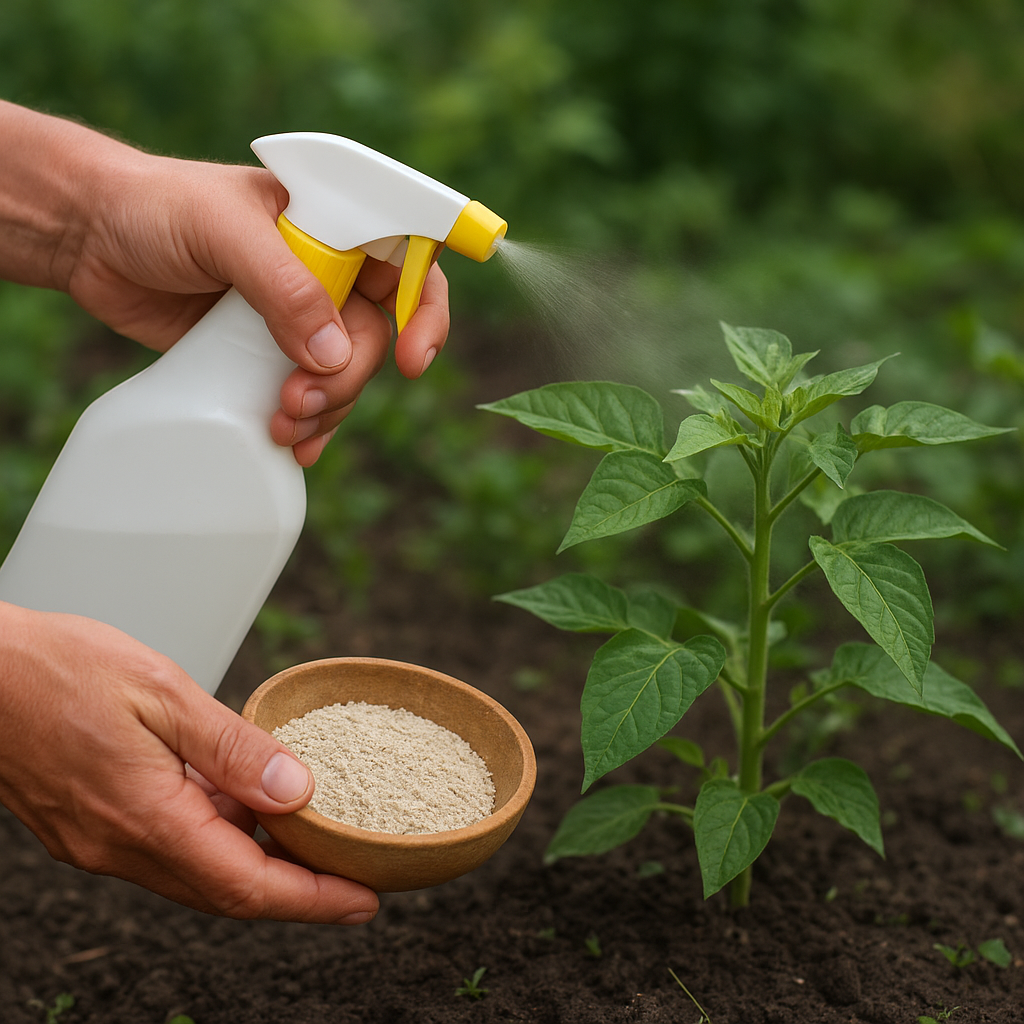
Integrating eco-friendly methods into crop protection not only safeguards plant health but also preserves soil vitality and enhances overall farm productivity. This guide explores a variety of techniques and strategies tailored to organic agriculture, empowering growers to cultivate healthy plants while fostering a balanced ecosystem.
Identifying Common Organic Pests and Their Impact
Early detection of pest populations is crucial for effective management. Recognizing damage symptoms and understanding pest life cycles allow farmers to respond swiftly, reducing crop losses and maintaining long-term sustainability.
- Aphids: Tiny, soft-bodied insects that cluster on new shoots, sucking sap and excreting honeydew.
- Caterpillars: Larvae of moths and butterflies that chew leaves and bore into fruit.
- Thrips: Minute, slender insects damaging flowers and foliage, often causing silvering patterns.
- Spider Mites: Microscopic pests that produce webbing and cause speckled leaf yellowing.
- Whiteflies: Winged insects feeding on undersides of leaves, leading to wilting and stunted growth.
Monitoring these pests through regular field inspections and using tools like yellow sticky traps can significantly enhance orchard or vegetable patch monitoring protocols.
Prevention Strategies for Organic Pest Control
Adopting proactive measures is the first line of defense. By prioritizing prevention over reactive treatments, growers build crop resilience and reduce reliance on external inputs.
- Crop Rotation: Alternating plant families to interrupt pest life cycles and deplete soilborne pest populations.
- Soil Health Management: Enriching soil with organic matter and compost to support robust root systems.
- Resistant Varieties: Selecting and planting cultivars bred for resistance to common regional pests.
- Sanitation: Removing plant debris and volunteer crops to eliminate hidden pest refuges.
- Mulching: Using organic mulches to moderate soil temperature, suppress weeds, and deter certain insects.
Biological and Botanical Solutions
Leveraging natural enemies and plant-derived agents offers targeted pest suppression without harming non-target organisms. These methods enhance overall farm resilience.
Beneficial Insects and Predators
- Ladybugs and Lacewings: Predators of aphids, mites, and small caterpillar eggs.
- Parasitic Wasps: Tiny wasps that lay eggs inside pest larvae, leading to larval mortality.
- Predatory Nematodes: Soil-applied microscopic worms that attack soil-dwelling insect larvae.
Botanical Extracts and Biopesticides
- Biopesticides like neem oil, pyrethrin, and spinosad reduce insect feeding and reproduction.
- Garlic and Chili Sprays: Homemade infusions that repel chewing and sucking pests.
- Horticultural Oils and Soaps: Smother small insects and disrupt their cell membranes.
Cultural and Mechanical Controls
Integrating non-chemical techniques into daily farm routines strengthens plant defenses and minimizes pest habitat.
- Companion Planting: Growing aromatic or repellent plants (e.g., marigolds, basil) alongside crops to deter pests.
- Row Covers and Netting: Physical barriers preventing adult insects from laying eggs on plants.
- Hand-Picking: Manual removal of caterpillars, beetles, and other visible pests during early morning inspections.
- Mechanical Control Tools: Utilizing traps, vacuum devices, or mechanical control screens to reduce pest numbers.
- Trap Crops: Sacrificial plants that attract pests away from the main crop, concentrating them for easier removal.
Implementing Integrated Pest Management (IPM)
IPM combines multiple tactics into a cohesive program tailored to local conditions. This adaptive approach ensures long-term crop protection and supports farm biodiversity.
- Set Action Thresholds: Define pest density levels that warrant intervention to avoid unnecessary treatments.
- Regular Scouting: Schedule systematic field walks and record pest and natural enemy populations.
- Decision Making: Choose the least disruptive control method first, escalating only when needed.
- Record Keeping: Document activities, observations, and outcomes to refine strategies over time.
- Education and Collaboration: Participate in local grower networks to share experiences and stay informed about emerging pest threats.
By weaving together these best practices—ranging from habitat management and companion planting to targeted biological controls—farmers can develop robust, eco-friendly pest control programs. Embracing an integrated approach not only protects immediate yields but also cultivates a healthier, more diverse agricultural landscape.