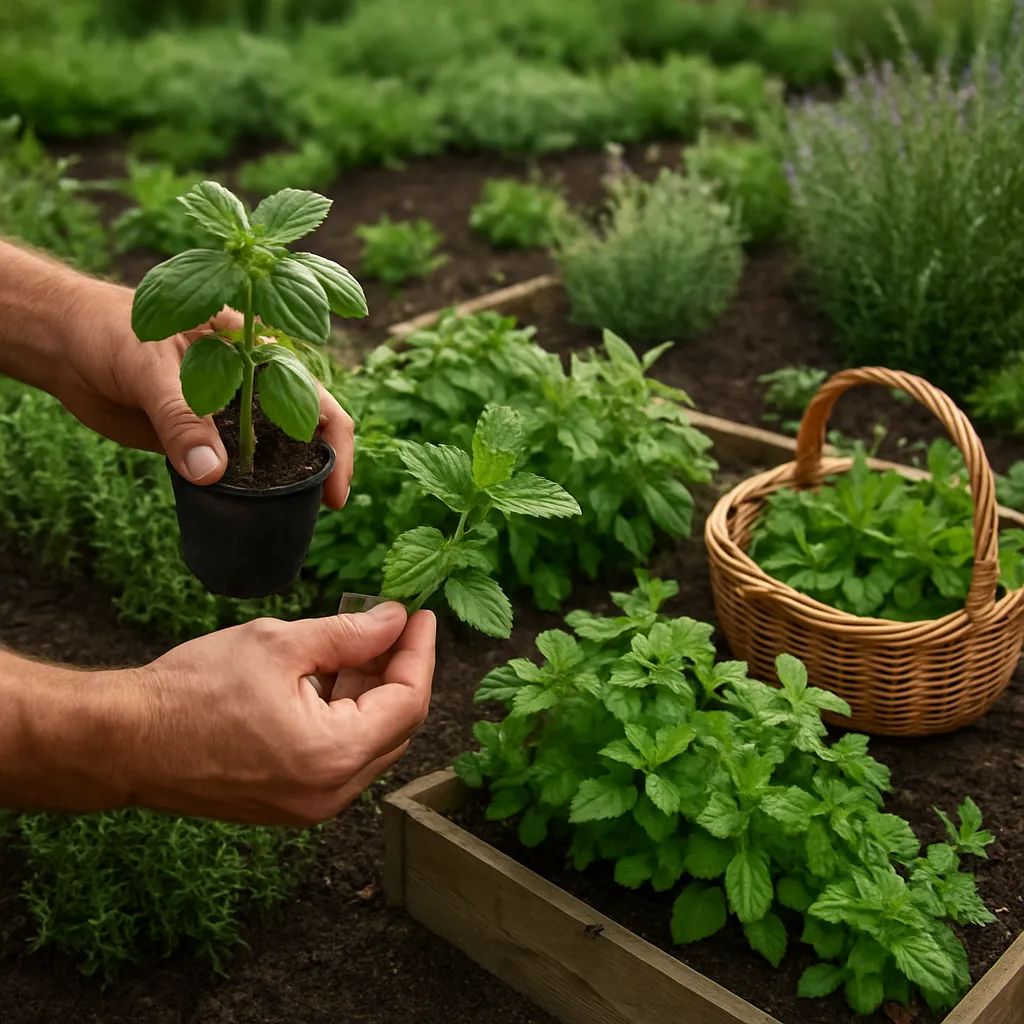
Growing medicinal herbs can be a lucrative venture for small-scale farmers and entrepreneurs alike. By combining traditional knowledge with modern agricultural practices, you can tap into a rapidly expanding market driven by consumers seeking natural remedies and **organic** wellness products. This guide will walk you through essential strategies to maximize **yield**, maintain high **quality**, and secure a sustainable **profit** from your herb cultivation business.
Selecting High-Value Medicinal Herbs
Choosing the right herbs is the foundation of a successful operation. Focus on species with strong market **demand** and proven effectiveness. Consider factors such as climate adaptability, growing season, and **diversification** to spread risk.
Assessing Market Trends
- Research consumer preferences for herbal supplements, teas, and extracts.
- Analyze local and international markets to identify high-margin products.
- Attend trade shows and industry conferences to network with buyers.
Herb Profiles and Profit Potential
- Echinacea: Popular for immune support; moderate climate tolerance.
- Lavender: High value in aromatherapy and cosmetics; thrives in well-drained soil.
- Tulsi (Holy Basil): Increasing Western demand for stress relief; requires warm temperatures.
- Ginseng: Premium price but long maturation period; ideal for long-term investment.
- Chamomile: Widely used in teas; easy to grow in temperate zones.
Site Selection and Climate Considerations
Evaluate your land’s microclimate, sun exposure, and drainage. Some herbs prefer full sun, while others flourish under partial shade. Investing in a small sheltered greenhouse can extend your growing season and protect young plants from extreme weather.
Soil Preparation and Cultivation Techniques
Healthy plants start with nutrient-rich, well-structured soil. Proper soil management supports robust root systems, leading to higher yields and potent medicinal compounds.
Soil Testing and Amendments
- Conduct a complete soil analysis for pH, organic matter, and nutrient levels.
- Add organic compost or well-rotted manure to improve **sustainability** and microbial activity.
- Adjust pH with lime (to raise) or sulfur (to lower) based on specific herb requirements.
Planting Methods and Spacing
Optimal spacing prevents overcrowding and reduces the risk of fungal diseases. Use raised beds or rows for better air circulation and ease of weed management.
- Seeds vs. Transplants: Direct seeding is cost-effective but requires more care; transplants provide uniform stands.
- Intercropping: Pair compatible species (e.g., chamomile with lavender) to maximize land use and natural pest control.
- Mulching: Apply organic mulch to suppress weeds, retain moisture, and protect root temperature.
Irrigation and Water Management
Consistent moisture promotes uniform growth and higher concentrations of active phytochemicals. Consider drip irrigation systems to deliver water precisely and minimize waste.
- Install moisture sensors to avoid overwatering, which can dilute **quality** and encourage root rot.
- Collect rainwater in barrels to reduce reliance on municipal water and lower overhead costs.
Harvesting, Processing, and Quality Control
Timely harvesting and careful post-harvest handling are critical to preserving the therapeutic properties of herbs. Implementing rigorous quality control can differentiate your product in a crowded marketplace.
Optimal Harvest Timing
- Harvest aerial parts (leaves, flowers) at full bloom when essential oil content peaks.
- Root crops (e.g., ginseng) should be collected after the plant reaches maturity, often signaled by leaf senescence.
- Use field notes and lab assays to fine-tune harvest schedules seasonally.
Drying and Storage Techniques
Proper drying prevents mold and preserves **active** constituents. Monitor temperature and humidity carefully.
- Air-drying in a well-ventilated, shaded area for delicate flowers.
- Use dehydrators or solar dryers for faster, more controlled moisture removal.
- Store dried herbs in airtight, dark containers to protect against light and oxygen.
Processing into Value-Added Products
Transform raw herbs into teas, tinctures, capsules, or essential oils to capture higher profit margins. Each format requires specialized equipment and adherence to Good Manufacturing Practices (GMP).
- Extraction: Choose solvent (water, alcohol, CO2) based on target compounds.
- Encapsulation: Invest in small-scale capsule machines for powder-based herbs.
- Aromatherapy: Steam distillation setups can yield premium essential oils.
Marketing Strategies and Profit Maximization
Building a strong brand and distribution network is just as crucial as on-farm practices. Focus on storytelling, transparency, and regulatory compliance to earn consumer trust and drive sales.
Branding and Packaging
- Develop a compelling brand narrative that highlights your **organic** methods, local heritage, or artisanal approach.
- Use eco-friendly packaging to appeal to environmentally conscious buyers.
- Include batch numbers, QR codes, and detailed ingredient lists to ensure traceability.
Sales Channels and Distribution
Diversify your sales channels to mitigate risks and expand reach.
- Online Storefronts: Leverage e-commerce platforms and social media marketing.
- Farmers’ Markets and CSAs: Direct-to-consumer sales often yield the highest margins.
- Wholesale and Bulk Sales: Partner with herbal supplement companies, spas, and natural food stores.
Regulatory Compliance and Certifications
Adhering to local and international regulations protects your business and enhances credibility.
- Pursue organic or fair-trade certification to justify premium prices.
- Ensure labeling meets FDA, EFSA, or other relevant guidelines for health claims.
- Maintain meticulous records of cultivation, processing, and testing for audits.
Continuous Improvement and Scaling
Track key performance indicators such as **yield**, processing efficiency, and customer feedback. Use these insights to refine your practices and plan for expansion.
- Experiment with new **cultivars** or value-added formulations to stay ahead of market trends.
- Invest in R&D partnerships with local universities or herbal research centers.
- Scale operations gradually, leveraging contract farming or cooperative models to increase production without proportionally raising overhead.