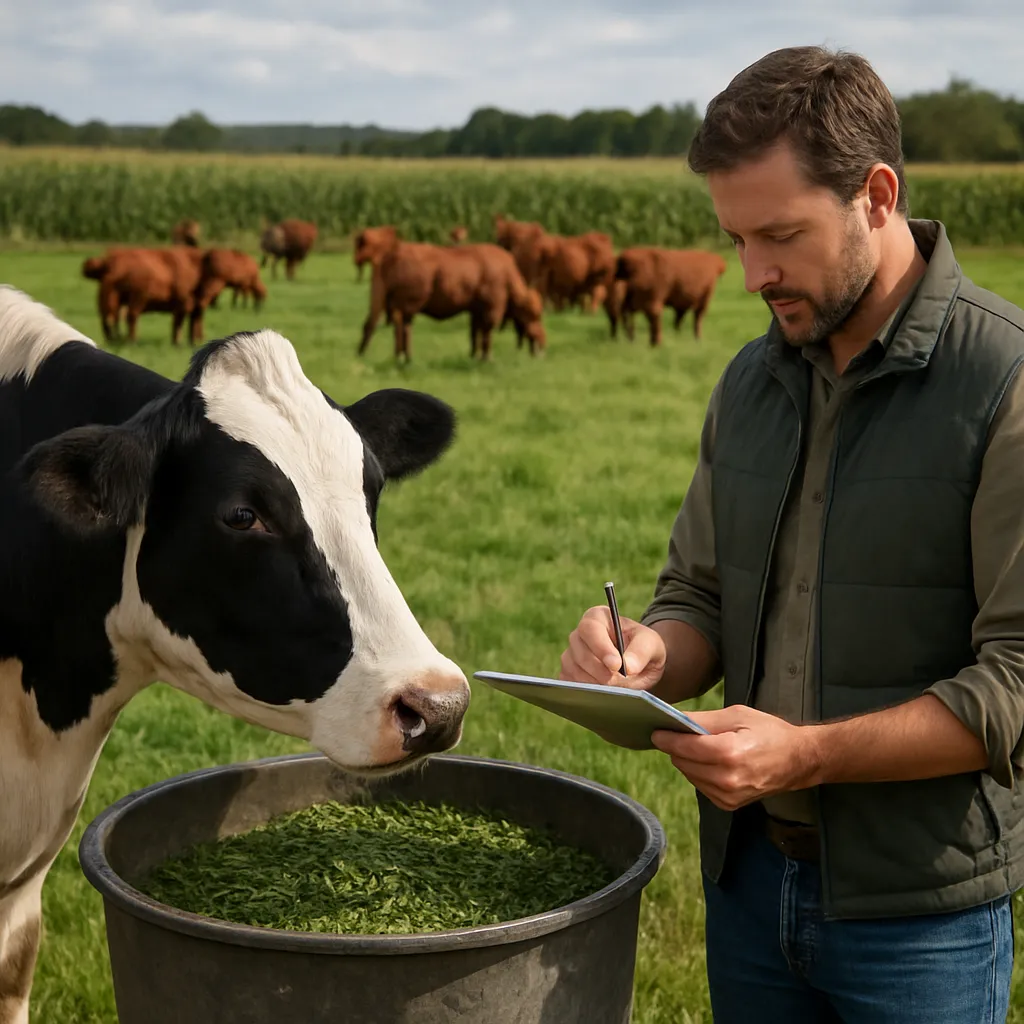
Developing a robust livestock feeding strategy demands both scientific insight and practical know-how. A plan that emphasizes sustainable practices not only supports animal health and productivity but also reduces environmental impact and operational costs. By combining precise nutrient-dense ingredients, smart management techniques, and ongoing data-driven evaluation, farmers can optimize feed efficiency, boost herd performance, and contribute to long-term ecological balance.
Assessing Nutritional Requirements
Before formulating any feed mixture, it’s essential to conduct a thorough evaluation of animal needs. Age, weight, breed, lactation stage, and production goals all influence daily requirements for energy, protein, vitamins, and minerals. Engaging a qualified livestock nutritionist or using nutritional modeling software helps translate these variables into a detailed nutrient target. Accurate assessment ensures that each animal receives sufficient calories and building blocks for growth, reproduction, or milk production, while avoiding excesses that can harm health and waste resources.
Key factors to consider include:
- Maintenance energy demands – basic metabolic needs when animals are at rest
- Growth rates – additional nutrients needed for tissue accretion in young stock
- Lactation and reproductive cycles – peak demand periods requiring specialized adjustments
- Environmental conditions – cold or heat stress can alter feed intake and nutrient metabolism
Utilizing forage testing and feed analysis provides real-time data on the actual composition of on-farm feeds. Laboratory reports on crude protein, fiber, fat, and mineral content enable precise ration balancing. A periodic review of individual body condition scores, blood metabolites, and milk components further refines nutritional benchmarks.
Designing a Balanced Feed Ration
Once requirements are defined, the next step is to craft a ration that meets these targets in the most cost-effective manner. A balanced feed ration typically combines forage, grains, byproducts, and supplementation minerals. The goal is to maximize animal performance while minimizing feed wastage and digestive upsets.
Examples of common feed ingredients:
- Concentrates: corn, barley, oats
- Protein sources: soybean meal, canola meal, distillers grains
- Forages: alfalfa hay, grass silage, pasture grasses
- Byproducts: beet pulp, citrus pulp, brewers’ grain
- Mineral and vitamin premixes
Rotational grazing and mixed-species paddocks increase biodiversity on pasture, improving forage quality and reducing parasite pressure. Integrating legumes like clover and birdsfoot trefoil not only raises protein levels naturally but also enriches soil through nitrogen fixation. Strategic inclusion of vitamin E and selenium supports immune function and muscle health, especially under stress.
Feed formulation software or professional services can blend these ingredients into a cohesive plan. The software calculates deficits and surpluses, suggesting ingredient adjustments. While automated tools accelerate the process, on-farm observation remains critical: monitor feed intake patterns, dung consistency, and rumen health to catch imbalances early.
Implementing Innovative Feeding Techniques
Innovation in feeding goes beyond ingredients: it encompasses technology, infrastructure, and management protocols. Precision feeding systems, such as electronic feeders with RFID tags, deliver customized portions to individual animals based on weight, production stage, and health status. These systems reduce waste, improve uniformity of intake, and lower labor demands.
Key technological approaches:
- Automated mixers and conveyors for consistent feed delivery
- Real-time weighing sensors to track daily consumption
- Smart waterers ensuring instant hydration and water quality monitoring
- Mobile apps for remote herd management and instant data analysis
On smaller farms, simple modifications such as raised feeding platforms prevent spillage, while covered feed bunks protect ingredients from rain and sun damage. Proper feeder design encourages equal access, reducing competition and ensuring that weaker or younger animals receive their share.
In addition, adopting resilience-enhancing strategies like emergency feed reserves and shelter adjustments during extreme weather safeguards herd health. For instance, silage bags or bunkers can store surplus forage from peak seasons, providing a buffer during drought or frost.
Monitoring Performance and Adjusting the Plan
An effective feeding plan requires continuous monitoring. Key Performance Indicators (KPIs) such as average daily gain (ADG), feed conversion ratio (FCR), milk yield, and body condition score (BCS) provide quantifiable benchmarks. Collect data systematically and compare against industry standards or historical farm records to detect trends.
Steps for robust monitoring:
- Record individual animal weights monthly or biweekly
- Track milk composition and yield for dairy herds
- Assess manure output and consistency to gauge digestive efficiency
- Implement periodic blood tests for critical metabolites (e.g., glucose, urea)
If performance deviates from expectations, revisit ration components and environmental factors. Seasonal changes, ingredient variability, or health challenges may necessitate adjustments. Maintain open communication with nutrition advisors and update formulations as fresh laboratory data become available.
Ultimately, successful implementation hinges on a feedback loop: design, execute, observe, and refine. Employing digital platforms or simple spreadsheets ensures that vital metrics are accessible to all team members, enabling prompt corrective actions and fostering a culture of optimization.
Sustaining Gains Through Education and Collaboration
Knowledge-sharing networks, extension services, and peer-to-peer learning accelerate improvements in feeding strategies. Participating in on-farm demonstrations, workshops, or online forums exposes producers to emerging research on additives, microbial inoculants, and efficiency-boosting protocols. Exploring partnerships with local universities or agribusinesses can yield trials of novel ingredients such as insect-based proteins or algae supplements.
Collaborative approaches benefit both smallholders and large operations. Shared resources—like communal forage testing labs or bulk purchasing cooperatives—lower costs and expand access to advanced tools. Through joint problem-solving, farms can tackle challenges such as nutrient runoff, greenhouse gas emissions, and fluctuating market prices more effectively.
Investing time in staff training ensures consistent execution of feeding procedures. Clear Standard Operating Procedures (SOPs) for mixing rations, calibrating equipment, and handling leftovers minimize human error and maximize feed utilization. Regular team meetings to review performance data foster accountability and encourage innovative solutions from the crew.
By integrating continuous learning with practical application, producers lay the groundwork for a truly metabolism-focused, future-ready feeding program. This synergy between education and action not only boosts productivity but also reinforces the farm’s role as a steward of land, water, and animal welfare.