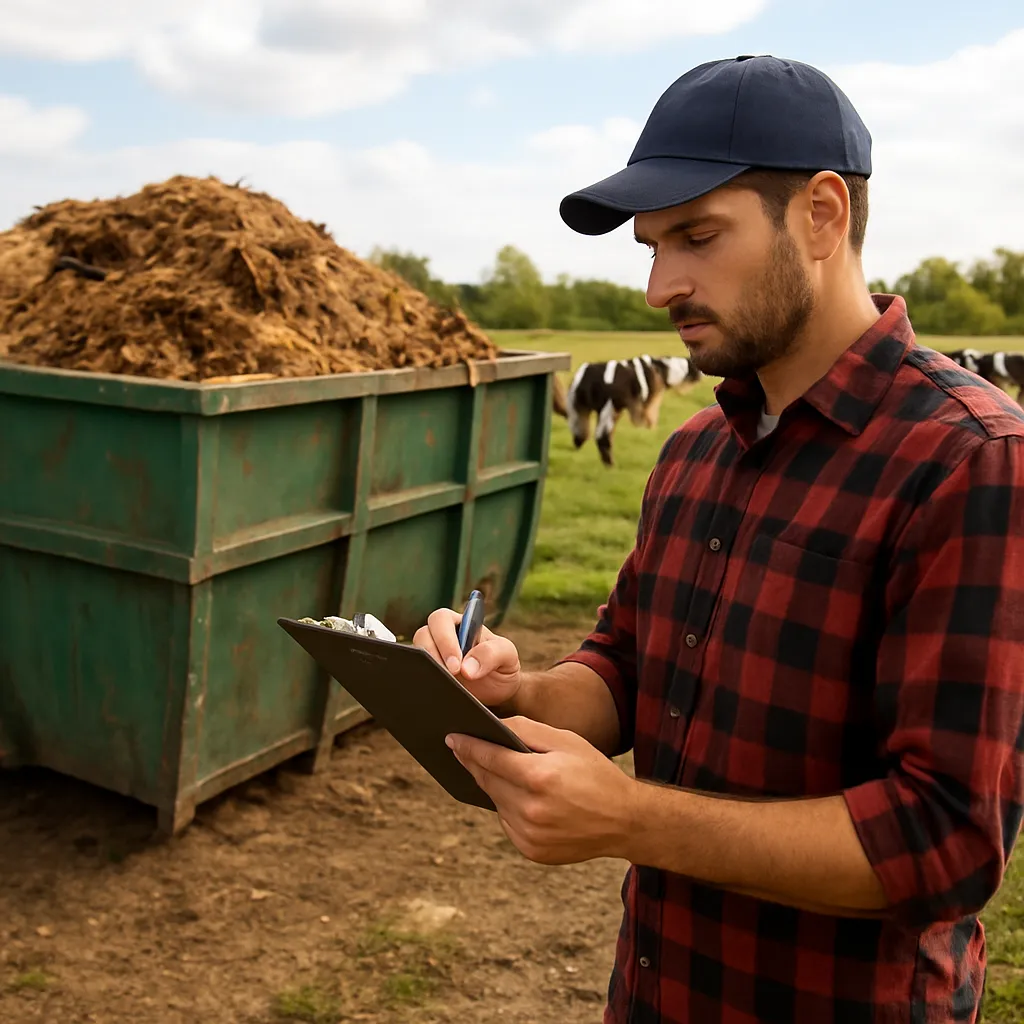
Developing an effective farm waste management plan is essential for maintaining a healthy environment, enhancing productivity, and increasing overall profitability. By understanding the various types of waste produced on a farm and implementing structured practices, farmers can reduce negative impacts, improve soil quality, and comply with regulatory requirements. This article provides actionable agriculture tips and practical guidelines to help you build a comprehensive waste management strategy.
Understanding Farm Waste Streams
Before designing any waste management plan, it’s critical to identify and categorize the different waste streams generated on your property. Typical sources include:
- Animal manure and bedding materials
- Crop residues and plant trimmings
- Packaging materials (plastic, cardboard, and twine)
- Hazardous chemicals (pesticides, herbicides, and fuel)
- Farm machinery waste (oils, filters, and worn parts)
Once you have a clear inventory of your waste streams, you can prioritize which materials to target first based on volume, environmental risk, and potential value recovery. Conducting a simple audit every season will help track progress and reveal new opportunities for improvement.
Key benefits of a well-structured audit include:
- Identifying high-volume waste streams that require immediate attention
- Detecting improper disposal practices that could lead to regulatory fines
- Highlighting potential by-products that can be repurposed or sold
Strategies for Sustainable Waste Reduction
Reducing the amount of waste produced on the farm is the first line of defense in any management plan. Employ the following strategies to minimize waste generation:
1. Optimize Feed and Fertilizer Use
Overfeeding livestock leads to **nutrient**-rich manure that must be managed. By formulating rations carefully and using precision agriculture techniques, you can reduce feed waste and achieve better animal health. Similarly, applying fertilizers based on soil tests prevents nutrient runoff and lowers fertilizer costs.
2. Adopt Minimal-Tillage or No-Till Practices
Traditional plowing can leave crop residues exposed and subject to decomposition losses. **Conservation** tillage systems help retain organic matter on the soil surface, reducing the need to burn residues or dispose of them offsite. This practice also preserves soil structure, conserves moisture, and enhances **biodiversity** in the root zone.
3. Transition to Reusable and Refillable Packaging
Switching from single-use plastic bags and containers to durable alternatives can significantly cut down on packaging waste. Consider bulk purchasing of fertilizers and feed delivered in returnable containers to reduce the volume of packaging entering your waste stream.
Implementing Composting and Recycling Systems
Transforming farm waste into value-added products is a win-win. Composting and recycling allow you to create nutrient-rich soil amendments, reduce landfill use, and demonstrate your commitment to **sustainability**.
Composting Manure and Crop Residues
Properly managed composting systems convert organic waste into stable humus that improves soil health and structure. Key considerations when setting up a compost operation include:
- Choosing the right location with good drainage and easy access
- Balancing carbon-rich (straw, wood chips) and nitrogen-rich (manure, green plant material) components
- Maintaining optimal moisture levels (40–60%) to encourage microbial activity
- Turning the pile regularly to ensure aeration and temperature control
Well-composted material can be applied to cropland, pasture, or gardens as a **nutrient-dense** soil amendment, reducing the need for synthetic fertilizers.
Recycling Plastic and Metal Waste
Identify local recycling centers and manufacturers who accept agricultural plastics, such as bale wrap, irrigation tubing, and pesticide containers. Many regions have agricultural recycling programs that offer drop-off points or scheduled collection services. Metal scrap from broken equipment and old machinery parts can be sold to scrap yards, returning value to your operation and preventing potential environmental hazards.
Managing Hazardous and Chemical Waste
Proper handling of hazardous materials is crucial to protect human health, wildlife, and water resources. Follow these guidelines to ensure safe storage, use, and disposal:
Secure Storage Facilities
Designate a locked, well-ventilated area with spill containment features for storing chemicals and fuel. Use secondary containment trays to prevent leaks, and label all containers clearly with contents and hazard warnings.
Safe Handling and Application
Train farm workers in the correct mixing, loading, and application procedures. Provide **personal protective equipment** (PPE) such as gloves, goggles, and respirators. Maintain accurate records of chemical inventory and application rates to comply with regulatory **requirements**.
Approved Disposal Methods
Unused or expired chemicals must be disposed of according to local environmental regulations. Many agricultural extension services host collection events for pesticides and herbicides. Never pour chemicals down drains or into water bodies.
Integrating Technology for Efficient Tracking
Emerging digital tools can streamline waste management tasks and improve tracking accuracy.
- Farm management software with waste audit modules
- Mobile apps that log waste disposal, composting progress, and recycling pickups
- Remote sensors to monitor compost pile temperature and moisture content
- GIS mapping to identify hotspots for waste accumulation and streamline collection routes
Adopting these technologies enhances **efficiency** and provides data-driven insights for continuous improvement.
Monitoring and Continuous Improvement
A robust farm waste management plan requires ongoing evaluation and adaptation. Implement the following practices to stay on track:
- Schedule quarterly audits to measure waste reduction achievements
- Review compost quality through simple soil tests for nutrient content and pH balance
- Solicit feedback from farm workers on process challenges and suggestions
- Stay informed about new **regulations**, grants, or incentive programs that support waste management initiatives
By solidifying a cycle of planning, action, and measurement, your farm can continuously refine its waste management approach, leading to stronger environmental performance and enhanced **profitability**.