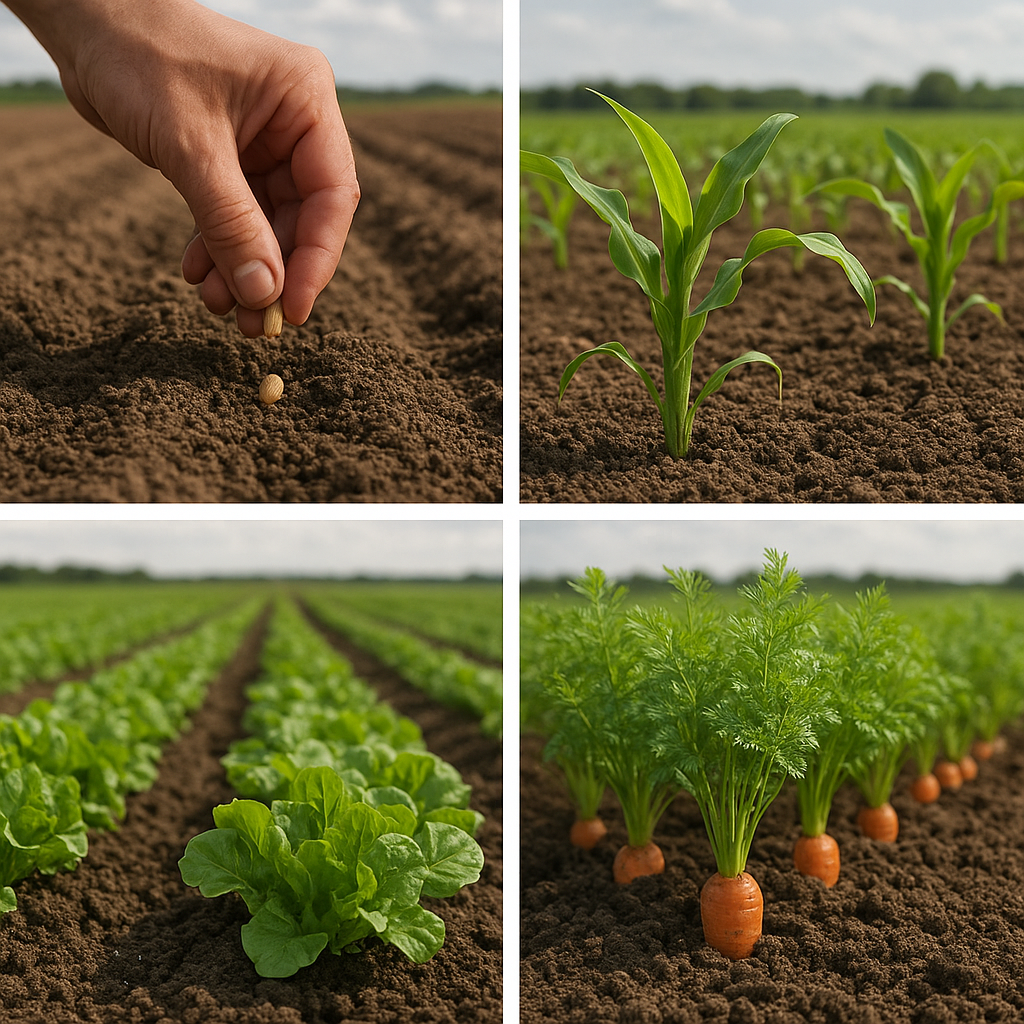
Choosing the right moment to sow seeds or transplant seedlings can dramatically influence your harvest’s success. By aligning crop requirements with local climate patterns, gardeners and farmers unlock higher yields, healthier plants, and more efficient resource use. This guide explores practical tips on scheduling plantings, understanding weather dynamics, and tailoring strategies for both home gardens and commercial operations.
Optimal Planting Windows for Vegetables
Vegetables exhibit diverse preferences for soil temperature, daylight duration, and moisture. Identifying the window when conditions best suit germination and early growth will give your crops a competitive edge over pests and diseases.
Cool-Season Crops
- Spinach and lettuce: Thrive when temperature ranges between 45°F and 65°F. Sow seeds 4–6 weeks before the last expected frost.
- Peas and broccoli: Germination kicks in around 40°F. Direct-seed as soon as soil is workable, often in early spring.
- Radishes and carrots: Can withstand light frosts. Succession plant every 2–3 weeks to maintain continuous harvest.
Warm-Season Crops
- Tomatoes and peppers: Transplant seedlings when night temperatures stay consistently above 50°F. Ideal soil temperatures exceed 60°F for robust germination and root establishment.
- Beans and corn: Direct-sow after the last frost. Soil should be at least 55°F for beans and 60°F for corn.
- Cucumbers and squash: Seeds germinate fastest when soil warms to 70°F–95°F. Provide ample hydration to support rapid leaf expansion.
Understanding Seasonal Variations and Microclimates
Weather patterns aren’t uniform across a region. Microclimates—small areas with unique temperature or moisture traits—affect planting decisions. Factors like nearby water bodies, buildings, or slope orientation can raise or lower average temperatures by several degrees.
Assessing Your Site
- Track soil temperature using a soil thermometer at planting depth (2–3 inches). Record daily to observe warming trends.
- Monitor soil moisture with handheld moisture meters or by feeling the soil. Consistent moisture promotes germination without risking rot.
- Observe frost pockets. Low-lying zones collect cold air and may delay planting by one to two weeks compared to higher ground.
In areas near buildings or stone walls, reflected sunlight can create warmer niches. Use these spots for early seedlings of heat-loving crops, extending your growing season on both ends.
Perennials vs Annuals: Timing Strategies
Annuals complete their life cycle in one growing season, whereas perennials persist year after year. Understanding each group’s establishment needs ensures a thriving garden.
Annual Planting Guidelines
- Flowers and herbs: Start indoors 6–8 weeks before the last frost. Harden off seedlings by gradually exposing them to outdoor conditions.
- Potatoes: Plant seed tubers when soil temperature consistently exceeds 50°F. Hill soil around stems to protect tubers from frost.
- Grains: Wheat and barley can be planted in fall or spring, depending on your climate zone. Winter grains require timing to establish before cold dormancy.
Perennial Establishment
- Orchard trees and berry bushes benefit from planting in late winter to early spring. Dormant roots adjust more easily to new soil, reducing transplant shock.
- Asparagus: Plant crowns in early spring when soil is workable. Keep beds free of weeds to minimize competition during establishment.
- Strawberries: Use June-bearing varieties for a spring harvest, and day-neutral types for summer and autumn fruiting. Set plants so the crown lies just above the soil surface.
Best Practices for Seed Sowing and Transplants
Proper technique improves success rates and minimizes resource waste. Follow these steps for reliable results:
- Seed Depth: Plant seeds at a depth two to three times their diameter. Too shallow leads to dryness, too deep delays emergence.
- Spacing: Comply with recommended plant spacing to avoid overcrowding, which can stifle air circulation and nutrients uptake.
- Watering: Apply gentle, even moisture immediately after sowing. Avoid heavy jets that can displace seeds or compact the soil surface.
- Mulching: Use organic mulches like straw or wood chips to regulate soil temperature, retain moisture, and suppress weeds.
- Thinning: Once seedlings have two true leaves, thin to the strongest individuals. This ensures adequate space for root development and reduces competition.
Crop-Specific Timetables
Below is a general planting calendar. Adjust dates based on local frost data and microclimate observations.
- January–March: Start indoors—tomatoes, peppers, eggplants, brassicas. Direct-seed—peas, spinach, onions.
- April–May: Transplant hardened-off seedlings outdoors. Direct-seed—beans, squash, corn, melons.
- June–July: Succession plant quick-growing crops—radishes, leafy greens, beans—for fall harvest.
- August–September: Sow cover crops (clover, vetch) to protect soil over winter. Plant garlic and shallots for next year’s early harvest.
- October–December: In mild climates, direct-seed greens under frost cloth. Plan and order seeds for the coming season.
Advanced Techniques for Extended Seasons
For gardeners seeking to push boundaries, several tools can stretch growing windows:
- Row Covers: Floating fabric traps heat and shields young plants from frost, enabling earlier planting in spring and later harvesting in fall.
- Cold Frames and Hoop Houses: DIY structures or kits give precise control over temperature and humidity. Ideal for overwintering tender perennials and starting seedlings early.
- Intercropping: Combine fast-maturing crops with slower ones. For example, sow lettuce among tomato transplants; lettuce matures before tomato canopies shade the bed.
- Hydroponics and Containers: Leverage controlled environments to begin crops year-round. Monitor nutrient solutions and maintain optimal hydration levels for consistent growth.
Maximizing Success with Crop Rotation and Succession Planning
Rotating plant families prevents nutrient depletion and reduces pest and disease buildup. Plan rotations on a three- to four-year cycle:
- Year 1: Legumes (beans, peas) to fix nitrogen.
- Year 2: Leafy greens and brassicas that require ample nitrogen.
- Year 3: Fruiting crops (tomatoes, peppers) and alliums.
- Year 4: Root vegetables (carrots, beets) and cover crops to rebuild organic matter.
Succession planting keeps beds productive. After harvesting spring radishes, follow up with summer beans or late season spinach. This rolling schedule optimizes land use and extends fresh produce availability.