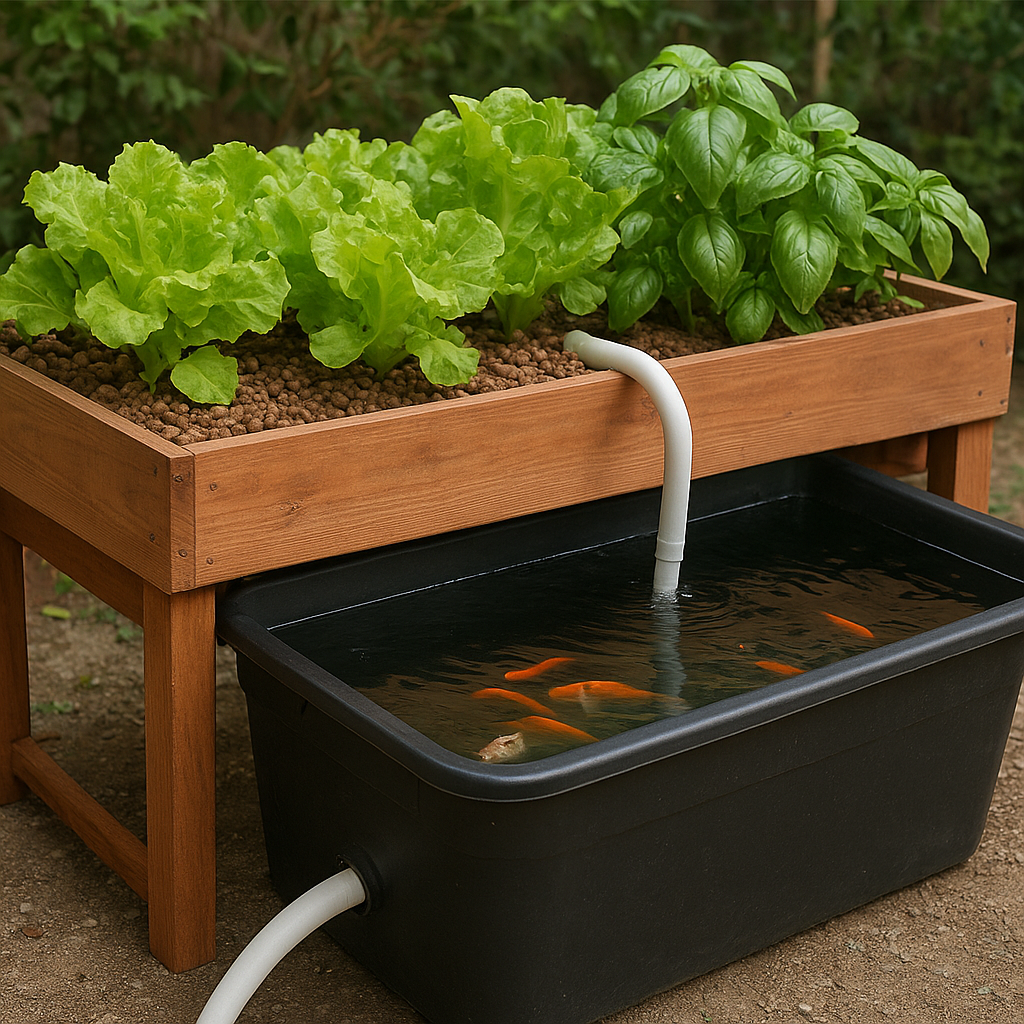
Small-scale aquaponics systems offer a versatile approach to modern agriculture, combining fish rearing and plant cultivation into a single, symbiotic setup. Gardeners and hobbyists can harness this method to produce fresh vegetables and protein-rich fish with minimal waste. Below are key insights and practical tips to help you unlock the full potential of a compact aquaponics arrangement.
System Efficiency
Integrating aquaculture (fish farming) with hydroponics (soilless plant culture) creates a closed-loop ecosystem in which fish waste provides essential nutrients for plants, while the plants naturally filter and purify the water for the fish. This sustainability-driven model dramatically reduces the need for chemical fertilizers and conserves water.
Water Conservation
- Recirculation reduces fresh water input by up to 90% compared to traditional farming.
- Slower evaporation rates in indoor or greenhouse setups preserve precious resources.
- Minimal drainage loss as water continuously cycles through fish tanks and grow beds.
Energy Considerations
Maintaining pump operation and lighting systems requires energy, but you can maximize efficiency by:
- Choosing low-wattage, high-output LED lights.
- Installing solar panels or using timers for pump cycling.
- Optimizing insulation to maintain stable water temperatures with less heating.
Crop and Fish Production
One of the most appealing aspects of small-scale aquaponics is the simultaneous yield of both vegetables and fish. Whether you aim to grow leafy greens or raise tilapia, the balance between plant density and fish stocking rates is crucial for a healthy system.
Plant Selection
- Lettuce, kale, and spinach thrive in nutrient-rich water with consistent temperature.
- Herbs like basil, mint, and parsley respond well to organic nutrient sources.
- Fruit-bearing plants such as cherry tomatoes and peppers can succeed when supplemented with an iron chelate or kelp extract.
Fish Species
- Tilapia: Hardy and fast-growing, ideal for beginners.
- Trout or Carp: Require slightly cooler water and strong aeration.
- Catfish: Adaptable to various conditions, but need more space per fish.
Balancing pH and Nutrients
Maintaining proper pH balance (typically between 6.8 and 7.2) is essential. Use a quality test kit and make gradual adjustments with calcium carbonate or phosphoric acid. Monitor ammonia, nitrite, and nitrate levels regularly to ensure your biofilter is converting fish waste into plant-friendly minerals.
Space and Scalability
Small-scale systems can fit in balconies, patios, garages, or small backyards. Their modular design allows easy expansion as your expertise grows.
System Types
- Media-Bed Systems: Simple and cost-effective, using gravel or clay pebbles as a grow medium.
- Deep Water Culture (DWC): Plants float on rafts above nutrient-rich water, ideal for leafy greens.
- Vertical Towers: Perfect for maximizing yield in limited footprint by stacking grow sites.
Modular Expansion
Start with a single grow bed and a small fish tank. As you gain experience, add extra beds or tanks, linking them in series to increase production. Connection points can be PVC pipes or flexible tubing, ensuring smooth recirculation and flow control.
Urban Integration
Incorporate aquaponics into urban settings by:
- Setting up on rooftops with proper weight support and shade cloth.
- Using watertight containers on balconies, ensuring secure railing mounts.
- Creating indoor systems with grow lights and timed aeration for small apartments.
Tips for Success
Achieving a productive and stable small-scale aquaponics system requires attention to detail and consistent maintenance. Below are essential recommendations to help you thrive.
Regular Monitoring
- Check water quality parameters (pH, ammonia, nitrite, nitrate) at least twice a week.
- Observe fish behavior and feed consumption to detect stress or illness early.
- Inspect plant roots for signs of nutrient deficiency or root rot.
Feeding Strategies
Provide high-quality fish feed formulated for your species. Overfeeding leads to excess waste and clogged filters, while underfeeding can stunt fish growth and reduce nutrients for plants. Aim for 2–3% of the fish’s body weight daily, split into two or three feedings.
System Cycling and Establishment
Before introducing fish, cycle the system to build beneficial bacteria. Use either a fishless cycle with ammonia dosing or add hardy feeder fish to jump-start the biofilter. Cycling typically takes 4–6 weeks. Patience during this phase ensures a robust nitrogen cycle and healthier stock.
Pest and Disease Management
Aquaponics systems are less prone to pests than soil gardens, but vigilance is still necessary. Implement these strategies:
- Introduce beneficial insects like ladybugs for aphid control.
- Use organic-approved, fish-safe foliar sprays for fungal issues.
- Maintain good air circulation around grow beds to prevent mold.
Seasonal Adjustments
Adapt your system to changing temperatures and daylight:
- Insulate tanks or add heaters during cold months.
- Install shade cloth or ventilation fans in hot climates.
- Adjust lighting schedules to mimic natural photoperiods for optimal plant growth.
Resourceful Maintenance
Ongoing care is the cornerstone of a thriving aquaponics setup. By staying proactive, you can prevent common issues and promote sustained yields.
Filter Cleaning
Clean mechanical filters weekly to remove solids, while avoiding disturbance to the bacterial colonies in biofilters. Rinse media in system water to preserve beneficial microbes.
Water Top-Ups and Changes
Replenish evaporated water with dechlorinated tap or rainwater. Perform partial water changes (10–15%) monthly if nitrates climb too high, but avoid drastic shifts that stress fish and plants.
Record Keeping
Maintain a log of water tests, feed rates, harvest yields, and maintenance activities. Detailed records help you identify trends, troubleshoot problems, and refine your system for increased productivity.
Community and Learning
Joining online forums or local aquaponics clubs offers invaluable advice and support. Share success stories, swap seeds or fingerlings, and stay updated on emerging techniques to push your system’s performance even further.