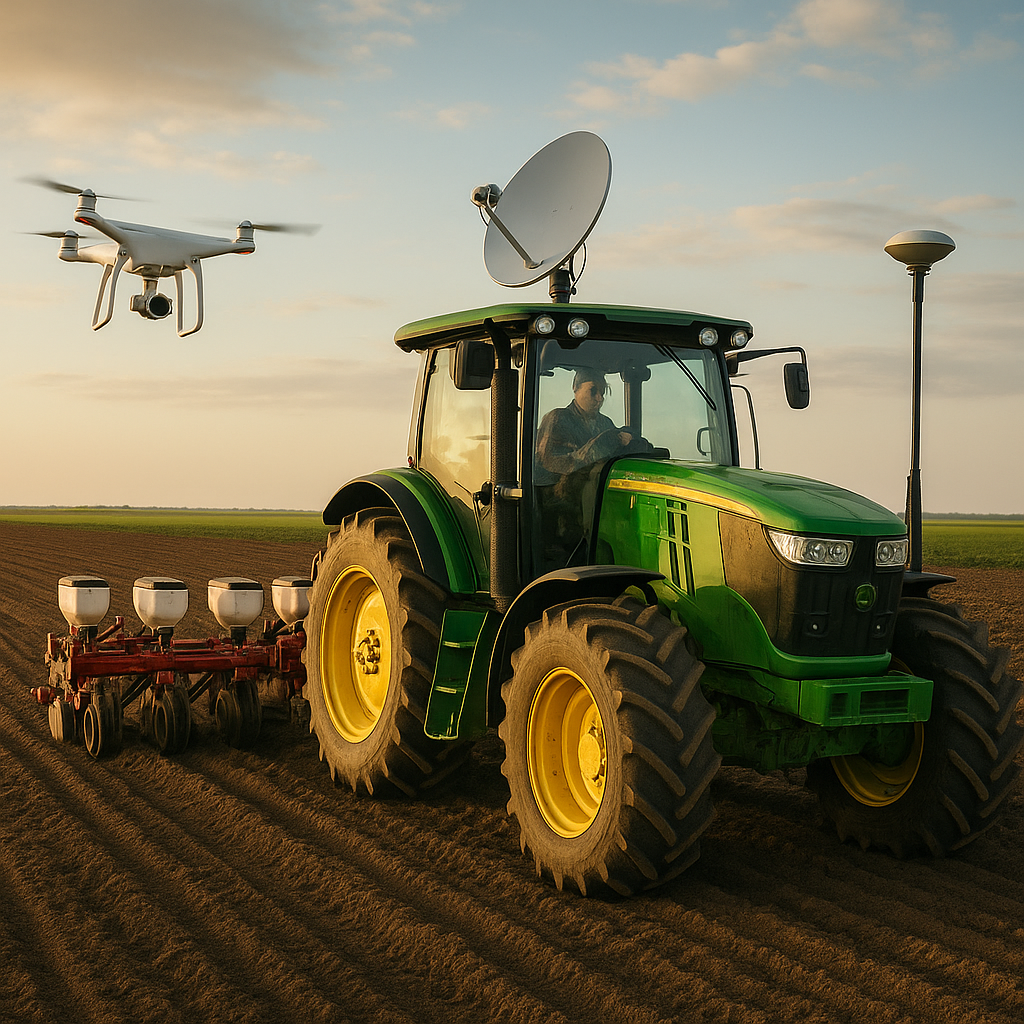
Embracing cutting-edge farming strategies can transform traditional fields into hubs of productivity and sustainability. By adopting advanced methodologies and leveraging modern tools, farmers enhance their decision-making and resource management. This article outlines actionable agriculture tips and explores the multifaceted advantages of precision farming. Dive into innovative practices designed to boost crop performance, reduce waste, and secure long-term viability for farms of all scales.
Why Precision Matters
Adopting a precision approach in agriculture means tailoring management practices to small, well-defined zones within a field. Unlike uniform treatments, this strategy recognizes natural variation—soil type, moisture levels, nutrient content—and responds accordingly. The shift from blanket applications to targeted interventions leads to higher efficiency, lower input costs, and less environmental impact.
Key Principles
- Site-specific management: Dividing fields into zones for customized care.
- Data acquisition: Gathering real-time information through modern devices.
- Analyzing patterns: Using historical and current data to predict needs.
- Targeted application: Applying water, fertilizer, or pesticides exactly where required.
By focusing on micro-environments, farmers maintain healthier crops while conserving valuable resources and reducing runoff. This practice not only optimizes farm input but also fosters a more resilient agricultural ecosystem.
Optimizing Water and Nutrient Use
Efficient management of water and nutrients is a cornerstone of sustainable agriculture. Over-irrigation and over-fertilization can harm crops, waste resources, and pollute groundwater. Precision farming employs technologies that measure soil moisture and nutrient levels at various depths, ensuring each plant receives exactly what it needs.
Smart Irrigation Strategies
- Soil moisture sensors: Monitor water levels in real time to prevent both drought stress and waterlogging.
- Weather stations: Adjust irrigation schedules based on local forecasts, evapotranspiration rates, and rainfall predictions.
- Drip systems: Deliver water directly to plant roots, minimizing evaporation and runoff.
Variable Rate Fertilization
- GPS-guided spreaders: Apply fertilizers at varying rates according to a pre-defined prescription map.
- Grid sampling: Test soil in small sections to determine nutrient deficiencies.
- Automated applicators: Adjust fertilizer flow on the go, ensuring precise distribution.
Implementing these optimization methods yields multiple benefits: healthier crops, lower input costs, and reduced environmental harm. With precise control over water and nutrients, farmers can significantly improve yield consistency across their fields.
Leveraging Technology for Crop Health
Early detection of disease, pest infestations, or nutrient deficiencies can save entire harvests. Precision agriculture harnesses advanced tools to monitor crop health at an unprecedented level of detail. Integrating aerial imagery, ground sensors, and AI-driven analytics makes proactive intervention possible.
Remote Sensing and Drones
- Multispectral cameras: Capture images beyond visible light to reveal plant stress before symptoms appear.
- NDVI indices: Use normalized difference vegetation index maps to highlight areas of poor vigor.
- Automated flight plans: Survey fields efficiently and consistently, generating time-stamped records.
Ground-Based Monitoring
- Ph sensors: Assess soil acidity, impacting nutrient availability and microbial activity.
- Electrochemical sensors: Detect specific ions in the soil solution.
- Plant canopy analyzers: Measure leaf area and light interception for growth modeling.
These technologies empower farmers to implement targeted treatments—spot-spraying pesticides only where needed or adjusting nutrient solutions in real time. The result is reduced chemical use, lower costs, and improved environmental stewardship. Such data-driven practices boost profitability while safeguarding ecosystem health.
Data-Driven Farm Management
Turning raw data into actionable insights is the heart of smart farming. Integrating diverse datasets—soil tests, yield monitors, weather records, and machinery logs—creates a holistic view of farm operations. Advanced software platforms help synthesize this information, guiding strategic decisions.
Farm Management Information Systems
- Dashboard interfaces: Visualize field performance, resource usage, and financial metrics at a glance.
- Prescription mapping: Generate customized input recommendations based on predictive models.
- Automated reporting: Track regulatory compliance, labor activities, and maintenance schedules.
Predictive Analytics
- Yield forecasting: Use historical and current-season data to estimate outputs before harvest.
- Risk assessment: Model potential threats from weather extremes, pests, or market fluctuations.
- Optimization algorithms: Balance multiple variables—cost, time, environmental constraints—to recommend ideal planting or harvest dates.
By capitalizing on these analytics tools, growers make informed choices that maximize returns and minimize risks. Continuous monitoring and refined feedback loops establish a culture of constant improvement and adaptability.
The Role of Connectivity and Automation
Seamless communication between field equipment, sensors, and management platforms is crucial. Connectivity solutions—cellular, satellite, or mesh networks—link remote devices, ensuring data flows without interruption. Automated machinery then acts on this intelligence, further streamlining operations.
Autonomous Tractors and Implements
- GPS-guided steering: Maintain precise rows, reducing overlap and soil compaction.
- Robotic planters: Adjust seeding depth and spacing in response to variable soil conditions.
- Self-driving sprayers: Perform targeted applications during optimal weather windows without human intervention.
Internet of Things Integration
- Real-time alerts: Receive notifications for equipment malfunctions or extreme field conditions.
- Energy management: Monitor and adjust fuel or electricity consumption across farm operations.
- Equipment tracking: Optimize machine deployment, maintenance planning, and utilization rates.
Automation and connectivity converge to free farmers from repetitive tasks, allowing more time for strategic planning. Increased precision in machinery operations translates into greater on-field efficiency and reduced labor expenses.
Maximizing Long-Term Sustainability
Precision agriculture isn’t just about short-term gains; it’s also a pathway to sustainable stewardship of land and water. By minimizing waste and preserving soil health, farms become more resilient to climate variability and resource scarcity.
Soil Conservation Practices
- Conservation tillage: Reduce erosion and maintain organic matter levels.
- Cover cropping: Enhance biodiversity, prevent nutrient leaching, and improve soil structure.
- Crop rotation planning: Break pest cycles and balance nutrient demands.
Carbon and Water Footprint Reduction
- Precision fertilization: Lower greenhouse gas emissions associated with synthetic inputs.
- Water-use efficiency: Optimize irrigation to conserve precious freshwater resources.
- Renewable energy integration: Power farm operations with solar, wind, or biogas systems.
These initiatives ensure that agriculture contributes positively to environmental goals while maintaining farm resilience. Consumers and regulators increasingly value sustainable credentials, creating market advantages for forward-thinking growers.
Adopting precision agriculture is more than a trend—it’s a transformative journey that empowers growers to harness technology, data, and innovative practices for optimal outcomes.