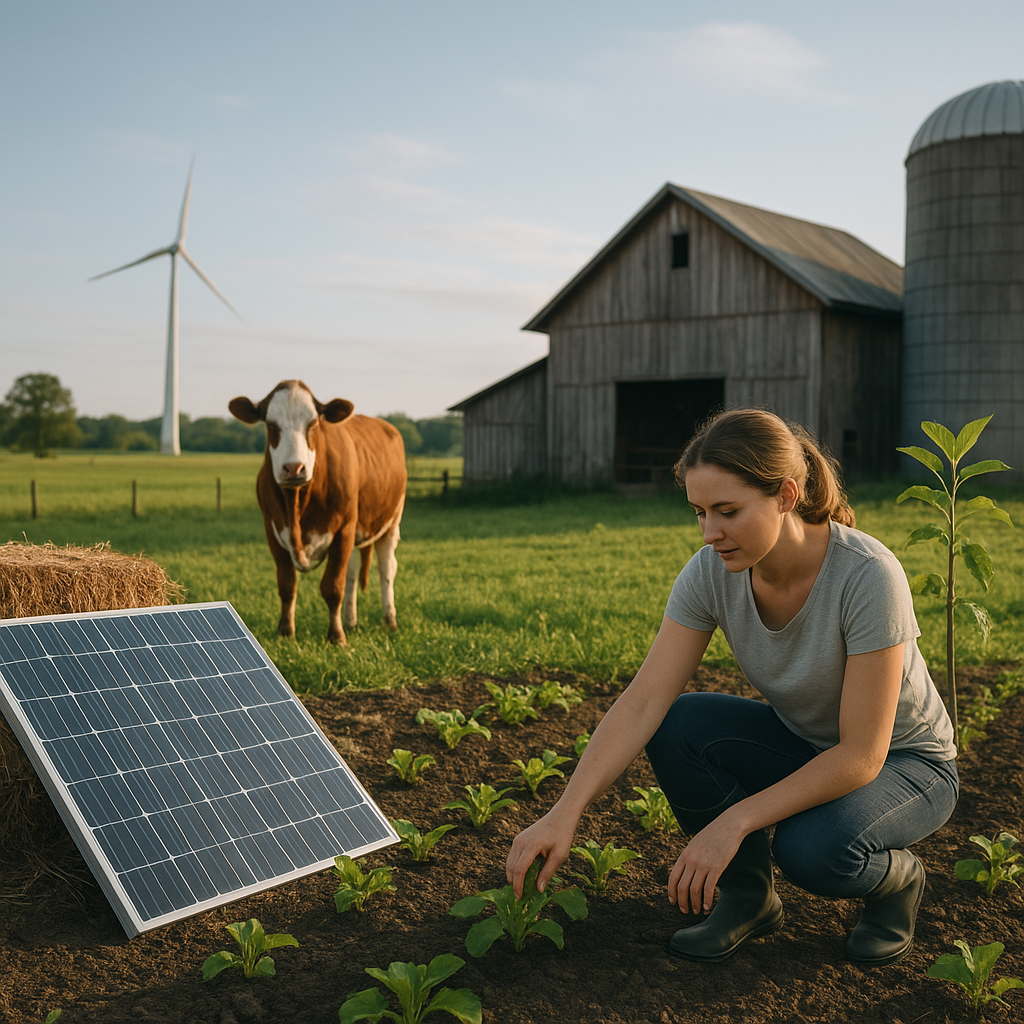
Modern agriculture demands balancing productivity with environmental stewardship. Making your farm more eco-friendly not only helps the planet but can improve long-term yields, reduce input costs, and enhance resilience to climate challenges. Here are simple, practical strategies you can implement today to cultivate sustainability and protect the earth’s precious resources.
Improve Soil Fertility with Organic Matter and Composting
Healthy soil is the foundation of any thriving farm. Incorporating organic amendments and composting practices helps build structure, increase nutrient retention, and foster beneficial microbial activity. Instead of relying solely on chemical fertilizers, you can leverage on-farm materials and local green waste to create nutrient-rich compost that supports root development and reduces erosion.
Begin by collecting a balanced mix of carbon-rich “browns” (straw, dried leaves, wood chips) and nitrogen-rich “greens” (manure, grass clippings, vegetable scraps). Maintain moisture and oxygen levels by turning piles regularly. Mature compost can be applied as a top dressing or tilled into fields before planting.
- Use cover crops like legumes to fix atmospheric nitrogen and add biomass when incorporated into soil.
- Set up vermicomposting bins to transform kitchen scraps into worm castings, a potent natural fertilizer.
- Test soil annually to adjust pH and nutrient levels, supplementing with rock powders or lime as needed.
By nurturing soil life, you build resilience against extreme weather and prevent nutrient runoff into waterways. Over time, these methods will reduce your reliance on synthetic inputs while promoting a dynamic soil ecosystem that sustains healthy crops year after year.
Enhance Productivity with Crop Rotation and Cover Cropping
Planting the same crop in the same field season after season can deplete specific nutrients and encourage pest buildup. Implementing strategic crop rotation breaks pest cycles, balances nutrient demands, and improves yields. A well-designed rotation alternates deep-rooted and shallow-rooted species, as well as legumes and cereals, to optimize soil health.
Integrating cover crops during fallow periods offers additional benefits. Species like clover, rye, or radish suppress weeds, prevent erosion, and provide organic matter. When terminated at the right stage, cover crops release nutrients back into soil and improve moisture retention.
- Plan a 3- or 4-year rotation that includes pulses, grains, oilseeds, and brassicas to diversify plant families.
- Use roller-crimper tools to flatten cover crops and form a mulch layer, reducing herbicide use.
- Monitor pest and disease patterns to adjust rotation length and crop sequences.
This holistic approach to field management fosters a balanced agro-environment, cutting down on chemical inputs while boosting long-term farm viability.
Optimize Water Use through Efficient Irrigation Techniques
Water scarcity is a growing concern for farms in many regions. Precise irrigation scheduling and equipment selection can dramatically reduce waste and energy costs. Rather than flooding fields, consider drip or micro-sprinkler systems that deliver moisture directly to plant roots.
Pairing efficient hardware with soil moisture sensors allows you to irrigate based on real-time data. Automated valves can turn on when readings fall below target thresholds, ensuring plants get exactly what they need without overwatering.
- Capture and store rainwater in tanks or ponds for supplemental irrigation during dry spells.
- Mulch around crops to lower evaporation and keep soil temperatures stable.
- Schedule irrigation in early morning or late evening to minimize losses from evaporation.
Adopting smart irrigation methods not only conserves precious water resources but also reduces fuel or electricity consumption, translating into cost savings and a smaller environmental footprint.
Promote Biodiversity and Agroforestry for Resilient Landscapes
Monoculture fields can be vulnerable to pests, diseases, and extreme weather. Introducing elements of biodiversity and agroforestry creates a more resilient farm ecosystem. Planting hedgerows, windbreaks, and small woodlots offers wildlife habitat, acts as a buffer against erosion, and enhances pollinator activity.
Intercropping trees or shrubs with annual crops or pastureland improves soil fertility through nitrogen fixation and leaf litter. Fruit or nut trees provide additional income streams while shading livestock and reducing heat stress. Natural corridors between fields encourage beneficial insects, birds, and small mammals that contribute to pest control and seed dispersal.
- Design riparian buffer zones along waterways with native grasses and shrubs to filter runoff and support aquatic life.
- Establish flower strips or wildflower margins to nourish bees, butterflies, and other pollinators.
- Rotate grazing areas and leave “no-graze” refuges to maintain habitat for ground-nesting birds and small mammals.
These measures strengthen ecological conservation while enhancing productivity. A diverse farm landscape can better withstand market fluctuations, climate shocks, and pest invasions.
Integrate Renewable Energy and Smart Farm Technologies
Reducing fossil fuel reliance on the farm is achievable through investment in renewable energy and modern monitoring tools. Solar panels can power pumps, electric fences, and lighting, while small wind turbines may supply additional electricity for equipment charging.
Emerging technologies—drones, remote sensors, and farm management software—provide actionable insights into crop health, soil moisture, and weather trends. By analyzing this data, you can fine-tune planting dates, fertilizer applications, and harvest timing to maximize efficiency.
- Install solar-powered irrigation pumps to cut diesel use and greenhouse gas emissions.
- Use mobile apps to track field operations, input inventories, and yield histories for informed decision-making.
- Employ precision seeding and variable rate technologies to apply seeds or nutrients only where needed.
Over time, the upfront cost of green energy installations and precision tools is offset by lower operating expenses, improved yields, and potential incentives or grants for sustainable practices.