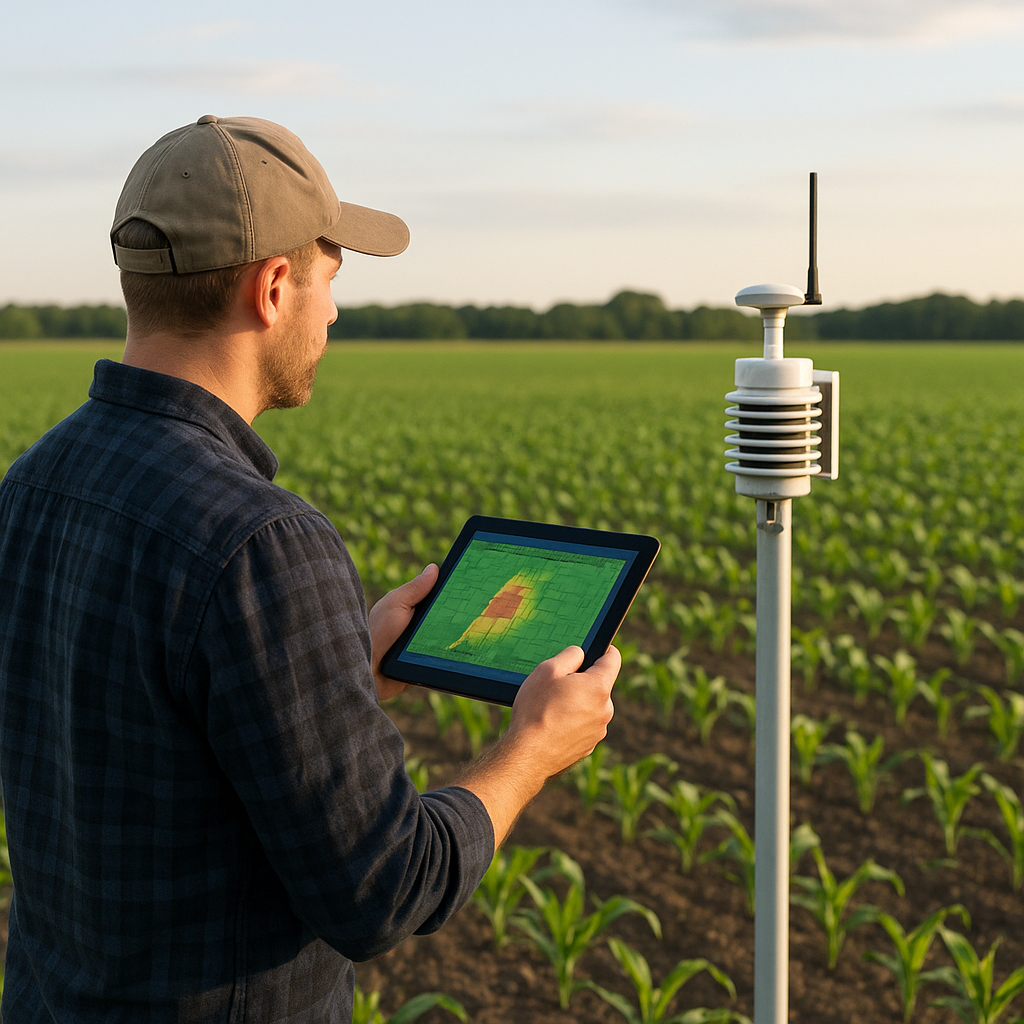
Modern agriculture is undergoing a profound transformation driven by the rapid adoption of sensor technologies. Farmers and agribusinesses are leveraging a range of instruments to gather precise environmental and crop data, enabling more informed decisions and higher yields. Integrating sensors into fields, greenhouses, and livestock operations enhances resource management, reduces waste, and supports sustainable practices. This article explores the essentials of sensor-based systems, network design, data analytics, and proven deployment strategies for progressive growers seeking a competitive edge in a dynamic industry.
Understanding Advanced Sensor Technologies
Various types of sensors are at the heart of precision agriculture, each measuring critical parameters to optimize plant growth and animal welfare. Soil sensors monitor moisture levels, temperature, and nutrient content, while atmospheric sensors track humidity, light intensity, and wind speed. Specialized sensors can detect pest activity or plant stress before symptoms become visible, enabling early intervention and minimizing crop loss.
Key Sensor Categories
- Soil Moisture and nutrient probes ensure optimal irrigation schedules.
- Optical sensors assess leaf color, chlorophyll content, and canopy density.
- Weather stations record real-time climatic data for precise forecasting.
- Ultrasonic and LiDAR scanners support automated machinery guidance.
- pH and salinity meters help maintain soil sustainability.
Choosing the right sensor depends on farm size, crop type, and budget. Entry-level wireless modules might suffice for small plots, while large-scale operations benefit from industrial-grade instruments with extended battery life and robust casing. Always verify sensor accuracy, calibration requirements, and compatibility with data management platforms before purchase.
Designing an Integrated Sensor Network
Building a cohesive network is essential for seamless data flow from the field to the decision-maker. Effective connectivity options include cellular, LoRaWAN, Zigbee, and Wi-Fi, each offering trade-offs in range, power consumption, and data rate. Deploying edge computing devices near the sensors can preprocess data, reducing bandwidth demands and enabling faster responses to critical events.
Network Topologies and Protocols
- Star networks are simple to implement but may face bottlenecks at the gateway.
- Mesh networks improve resilience by rerouting data around faulty nodes.
- Hybrid topologies combine star and mesh benefits for large tracts of land.
- IPv6- and MQTT-based frameworks support connectivity with cloud services.
Power management is another vital consideration. Solar panels coupled with rechargeable batteries can keep remote sensors operational year-round. Protective enclosures shield electronics from weather extremes, dust, and pests. Strategic placement of repeater nodes ensures reliable transmissions across undulating terrain or dense greenhouse structures.
Extracting Insights with Data Analytics
Raw sensor readings gain value through advanced analytics and visualization tools. Cloud-based platforms aggregate data streams, apply machine learning models, and present actionable recommendations via intuitive dashboards. Predictive algorithms forecast irrigation needs, nutrient deficiencies, and pest outbreaks with remarkable accuracy, allowing proactive interventions that save time and money.
Analytical Techniques
- Time-series analysis reveals trends in soil moisture and temperature.
- Spatial interpolation creates detailed field maps for targeted treatment.
- Anomaly detection algorithms flag sensor malfunctions or sudden environmental shifts.
- Regression models correlate canopy indices with crop yield performance.
- Decision-support systems integrate weather forecasts for dynamic planning.
Data security and privacy should not be overlooked. Implement encryption at rest and in transit, enforce user access controls, and maintain regular backups. Collaborative platforms enable agronomists, technicians, and farm managers to share insights, fostering continuous improvement and knowledge transfer across teams.
Best Practices for Effective Sensor Deployment
Successful implementation goes beyond hardware installation. It requires a structured plan covering site assessment, calibration, maintenance, and training. Begin by mapping field variability through soil surveys and topographic analyses. This preliminary work guides the optimal density and distribution of sensors, ensuring comprehensive coverage without redundancy.
Step-by-Step Deployment Guide
- Conduct a pilot test on a representative plot to validate sensor performance.
- Establish calibration routines to guarantee measurement accuracy over time.
- Train staff on sensor operation, troubleshooting, and data interpretation.
- Schedule periodic inspections to replace worn cables, clean lenses, and test battery health.
- Document system configurations, firmware versions, and network credentials for maintenance records.
Leveraging unmanned aerial vehicles (UAVs) equipped with multispectral cameras further enriches data collection. Drones can quickly scan large fields, identifying zones of stress that ground sensors might miss. Combining aerial surveys with in-situ measurements creates a comprehensive picture of field conditions, enabling optimization of inputs and improved resource allocation.
Charting the Future of Sensor-Driven Farming
The pace of innovation continues to accelerate as the intersection of agritech, robotics, and artificial intelligence unlocks new possibilities. Emerging trends include autonomous tractors guided by LiDAR and computer vision, implantable biosensors for livestock monitoring, and blockchain-based traceability systems that authenticate product origin. Embracing these advancements will position farms to meet rising global food demand while minimizing environmental impact.
By prioritizing meticulous planning, robust network design, and comprehensive analytics, growers can harness the full potential of sensor technologies. Precise, data-driven strategies not only boost productivity but also foster long-term farm sustainability, operational efficiency, and continual innovation across the agricultural landscape.